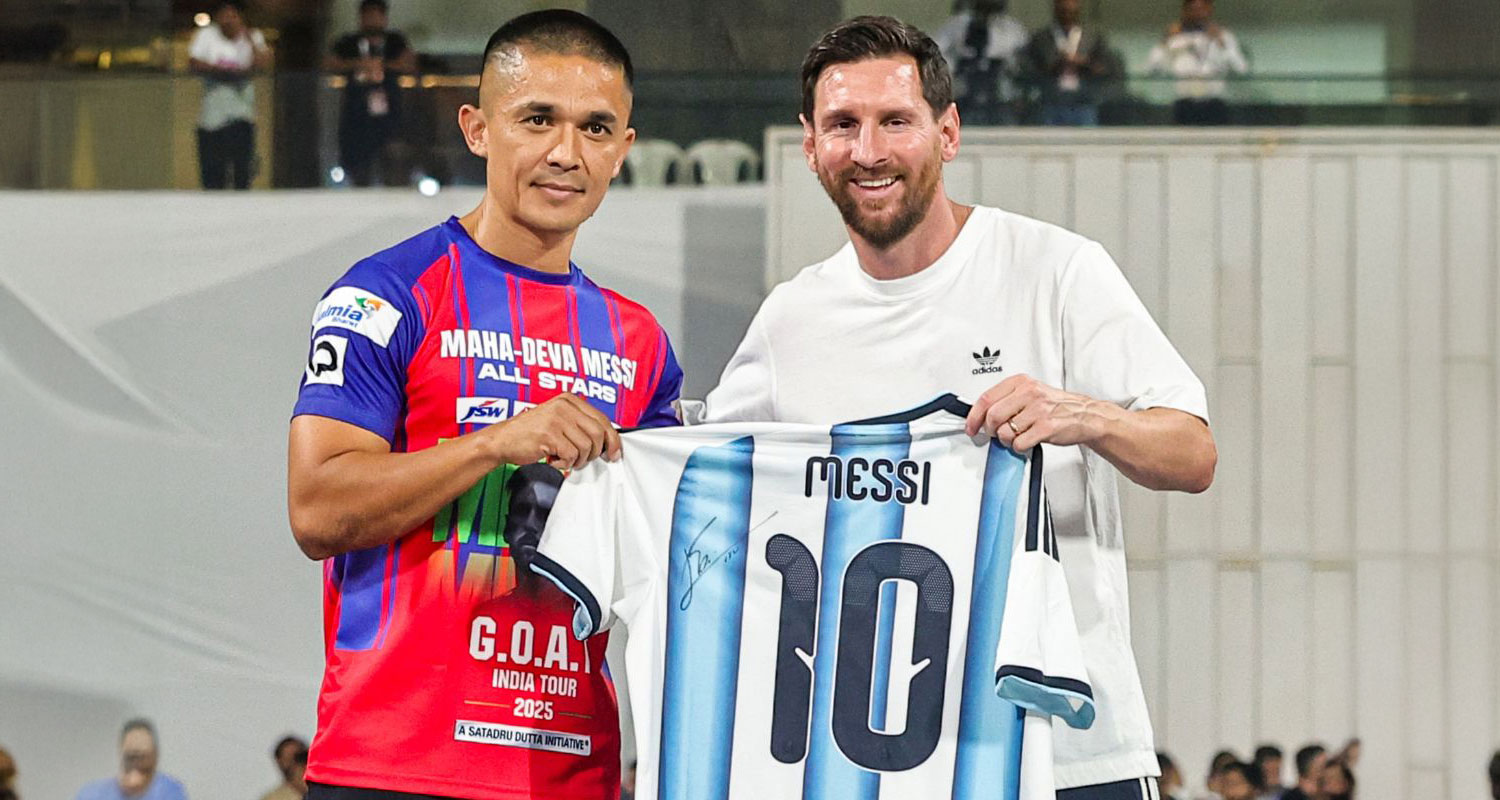
No doubt Messi is a once-in-a-generation footballing genius. A legend whose name alone can fill stadiums and stop traffic across continents. The problem is not Messi. The problem is us.
The recent GOAT Tour in Kolkata was packaged as a historic football moment for India. What it largely became instead was an expensive event high on optics, low on substance. According to reports, Sunil Chhetri reportedly declined an invitation to meet Messi, citing the lack of meaningful football-related engagement during the tour. This is not officially confirmed. But whether literal or symbolic, the message it sends is unmissable.
Indian football is struggling. And no amount of imported stardust can hide that truth.
Let’s start with the uncomfortable reality. Grassroots football in India remains starved of financial and infrastructural support. For every child playing barefoot on a maidan, there is a lack of trained coaches, proper pitches, nutrition, and long-term development pathways. Talent exists but talent without structure withers. We celebrate prodigies only to abandon them when the system fails to carry them forward.
Talented Indian footballers rarely get sustained platforms. A good season is followed by uncertainty. Clubs fold, leagues restructure, contracts disappear. Domestic leagues struggle with visibility, stability, and long-term planning. The ecosystem is fragile, and careers are often at the mercy of administrative chaos rather than performance on the pitch.
International exposure for Indian players remains minimal. While other footballing nations send young players abroad to train, compete, and fail early, Indian players remain boxed within domestic limitations. Exposure is not a luxury in modern football it is a necessity. Without it, growth stalls.
And yet, amid all this neglect, Indian football has produced something extraordinary.
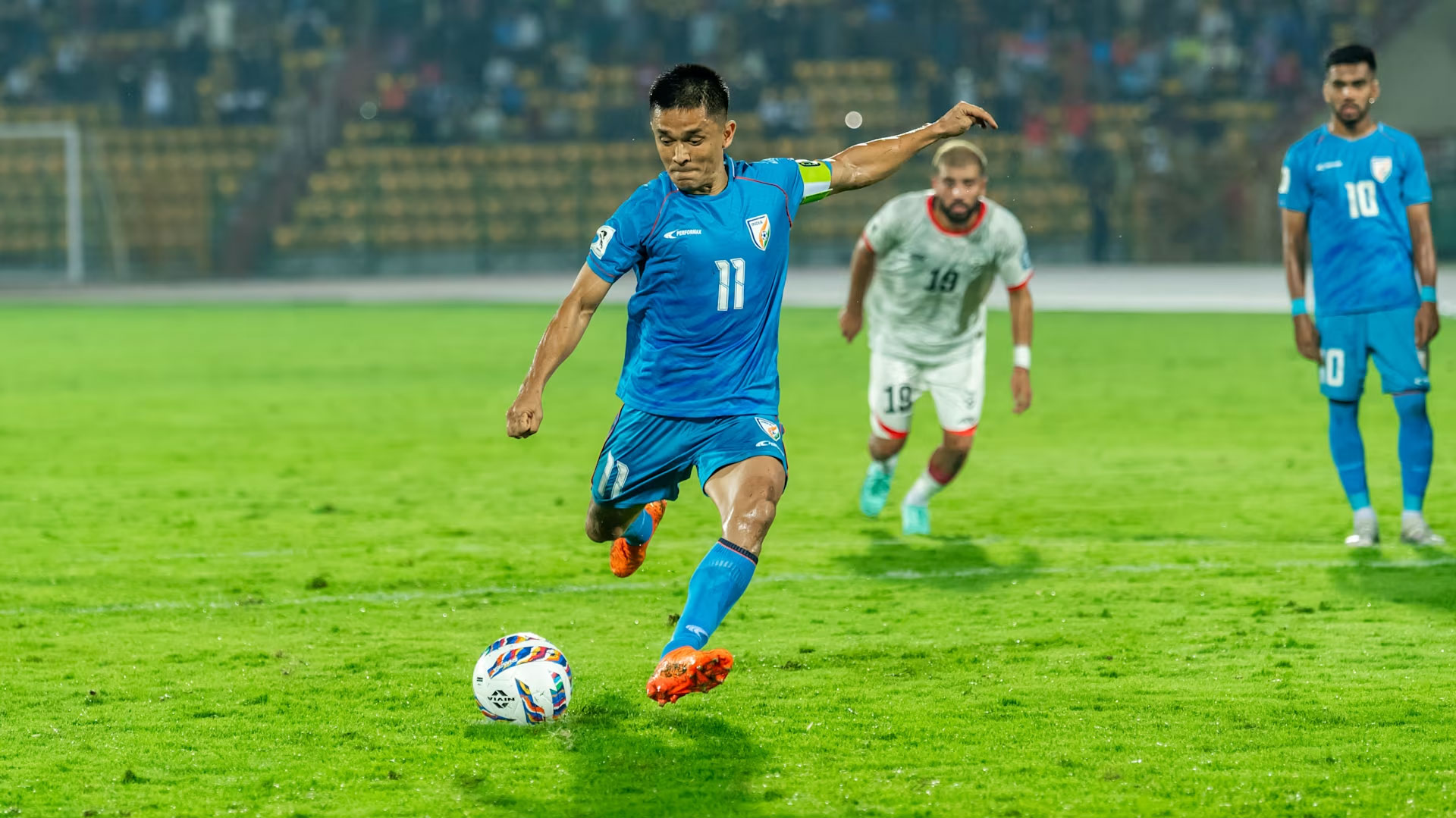
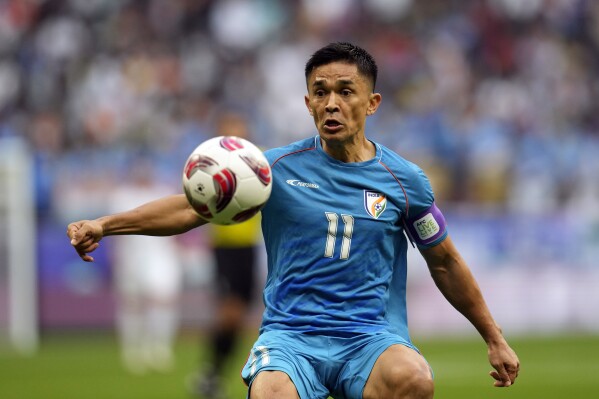
Sunil Chhetri has scored 95 international goals in 157 matches.
He is the fourth-highest international goal-scorer in the history of world football, behind only Cristiano Ronaldo, Ali Daei, and Lionel Messi.
Let that sink in.
In a country where football is not the dominant sport.
In a system riddled with structural gaps.
In an ecosystem that has often failed its own players.
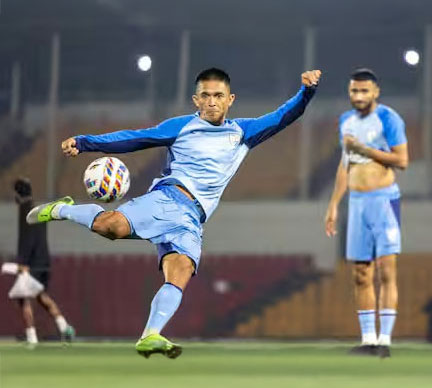
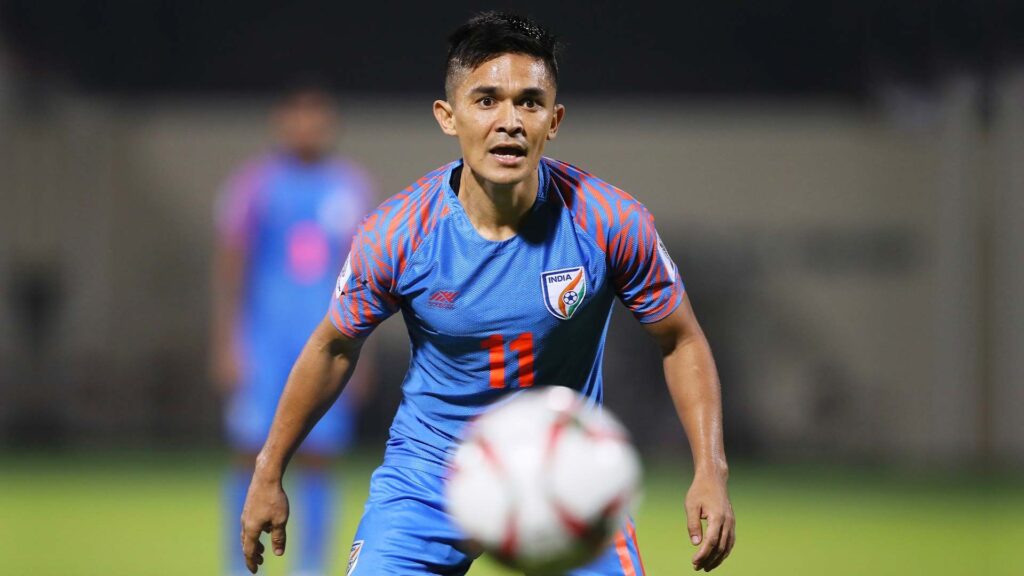
Chhetri didn’t just score goals he carried Indian football on his shoulders for nearly two decades. He led when stadiums were empty. He pleaded with fans to come watch domestic matches. He stayed when he could have left quietly. That is not just legacy. That is service.
Now contrast that with the optics in Kolkata.
A 70-foot statue of Lionel Messi was unveiled towering, dramatic, and headline-ready. It made global news. Social media loved it. Cameras rolled.
But a simple question remains:
Where are the statues of Sunil Chhetri, Chuni Goswami, or Bhaichung Bhutia?
Where is the public reverence for Chuni Goswami, who led India to Asian Games gold?
Where is the everyday celebration of Bhaichung Bhutia, who broke barriers for Indian football on the international stage?
Where is the institutional memory of our own legends men who played when resources were scarce and recognition even scarcer?
Today, we are turning football into an event.
We are selling it as a brand.
We are importing emotions instead of cultivating pride.
Football in India is increasingly consumed as a spectacle rather than built as a culture. We show up for stars but not for systems. We queue for selfies but not for season tickets. We worship icons but ignore institutions.
Bringing global legends to India is not wrong. Inspiration matters. Exposure matters. But inspiration without infrastructure fades quickly. A statue does not train a child. A meet-and-greet does not fix grassroots pathways. A viral moment does not build a footballing nation.
What Indian football truly needs is far less glamorous and far more urgent.
We need strong grassroots academies that are affordable, accessible, and accountable.
We need school and university-level football ecosystems that treat sport as education, not distraction.
We need consistent international exposure for Indian players, starting young and sustained over time.
We need respect, recognition, and representation for our own footballing heroes not as afterthoughts, but as central figures in our sporting narrative.
Stars can attract attention.
But culture builds nations.
If Indian football has to rise, we must stop outsourcing our pride. We must stop measuring success by who visits us and start measuring it by who we produce. We must stop importing emotions and start investing seriously, consistently, unapologetically in our own ecosystem.
Because football does not grow on stages.
It grows on dusty fields, disciplined systems, and collective belief.
And until we choose to build that, no GOAT tour no matter how glittering will ever make Indian football truly great.