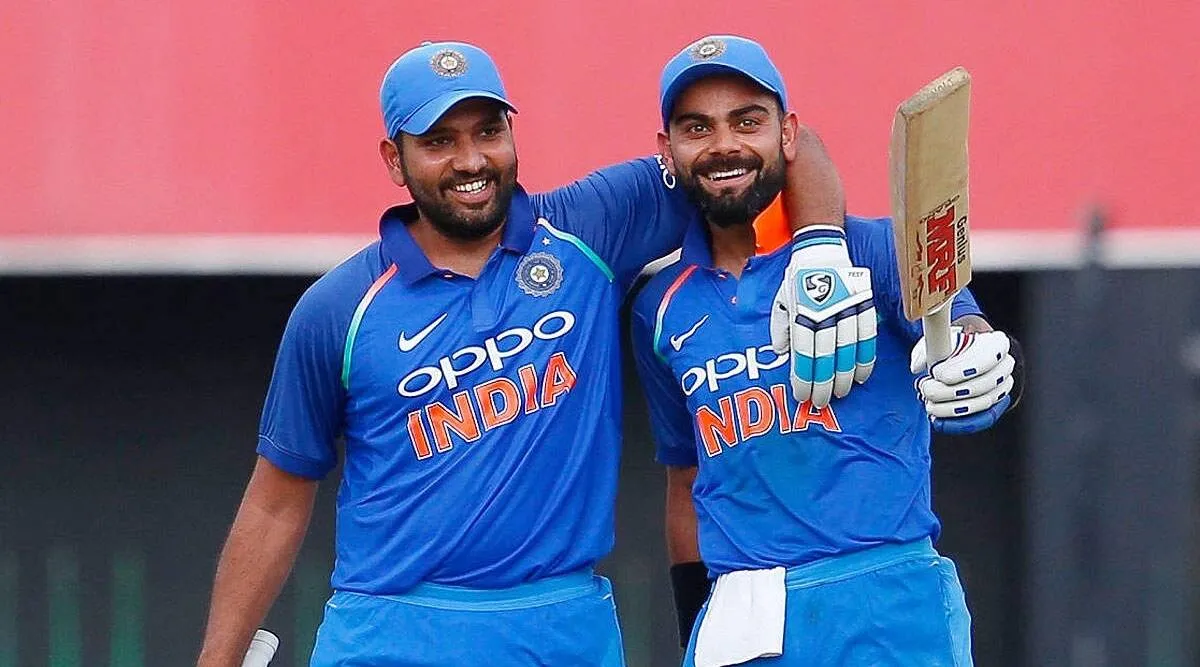
The Board of Control for Cricket in India (BCCI) has finalised its latest central contracts, setting off widespread discussion after senior stalwarts Virat Kohli and Rohit Sharma were placed in lower categories than in previous years. While the decision has surprised fans and former players alike, it also signals a clear shift in how Indian cricket’s governing body is redefining performance, priority formats, and professional commitment.
Central contracts have traditionally served as both financial security and symbolic recognition for India’s top cricketers. Being placed in the highest category has long reflected not just form, but stature and leadership within the team. The revised list, however, suggests that legacy alone is no longer sufficient. Instead, the BCCI appears to be emphasising recent performance, workload management, and availability across formats particularly Test cricket.
Kohli and Rohit remain among the most influential figures in Indian cricket, with records and match-winning moments that continue to shape the team’s identity. Their demotion does not indicate a loss of relevance, but rather a recalibration of criteria. With both players having reduced appearances in certain formats and managing workloads carefully, the BCCI’s move reflects a more data-driven and forward-looking approach.
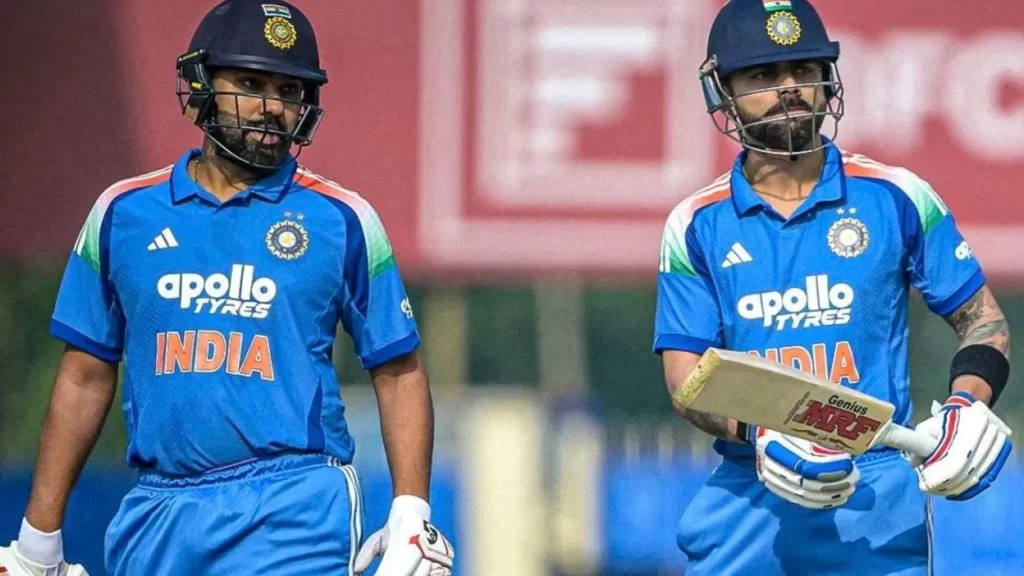
The new contracts also underline the board’s intent to align incentives with long-term planning. Younger players who have shown consistency, fitness, and multi-format availability have been rewarded, reinforcing the message that central contracts are not lifetime honours but annually earned commitments. This philosophy mirrors trends in other leading cricket boards, where adaptability and sustained contribution increasingly outweigh seniority.
Critics argue that such decisions risk undermining the experience and leadership that veterans bring, especially in high-pressure tournaments. Supporters, however, see the move as a necessary evolution one that keeps the ecosystem competitive and ensures accountability at every level.
Beyond individual names, the broader implication is clear: Indian cricket is entering a phase where transition is being managed institutionally rather than emotionally. The BCCI’s decision reflects confidence in bench strength and a willingness to make difficult calls in preparation for future cycles, including major ICC tournaments.
For Kohli and Rohit, the contracts may change categories, but their influence on Indian cricket remains intact. For the system, the message is unmistakable performance, commitment, and relevance will define reward, regardless of reputation.
In the end, the stir surrounding the announcement says as much about the players’ stature as it does about the BCCI’s evolving priorities. In a sport deeply shaped by legacy, the board has chosen to look ahead, even if it means unsettling the present.