
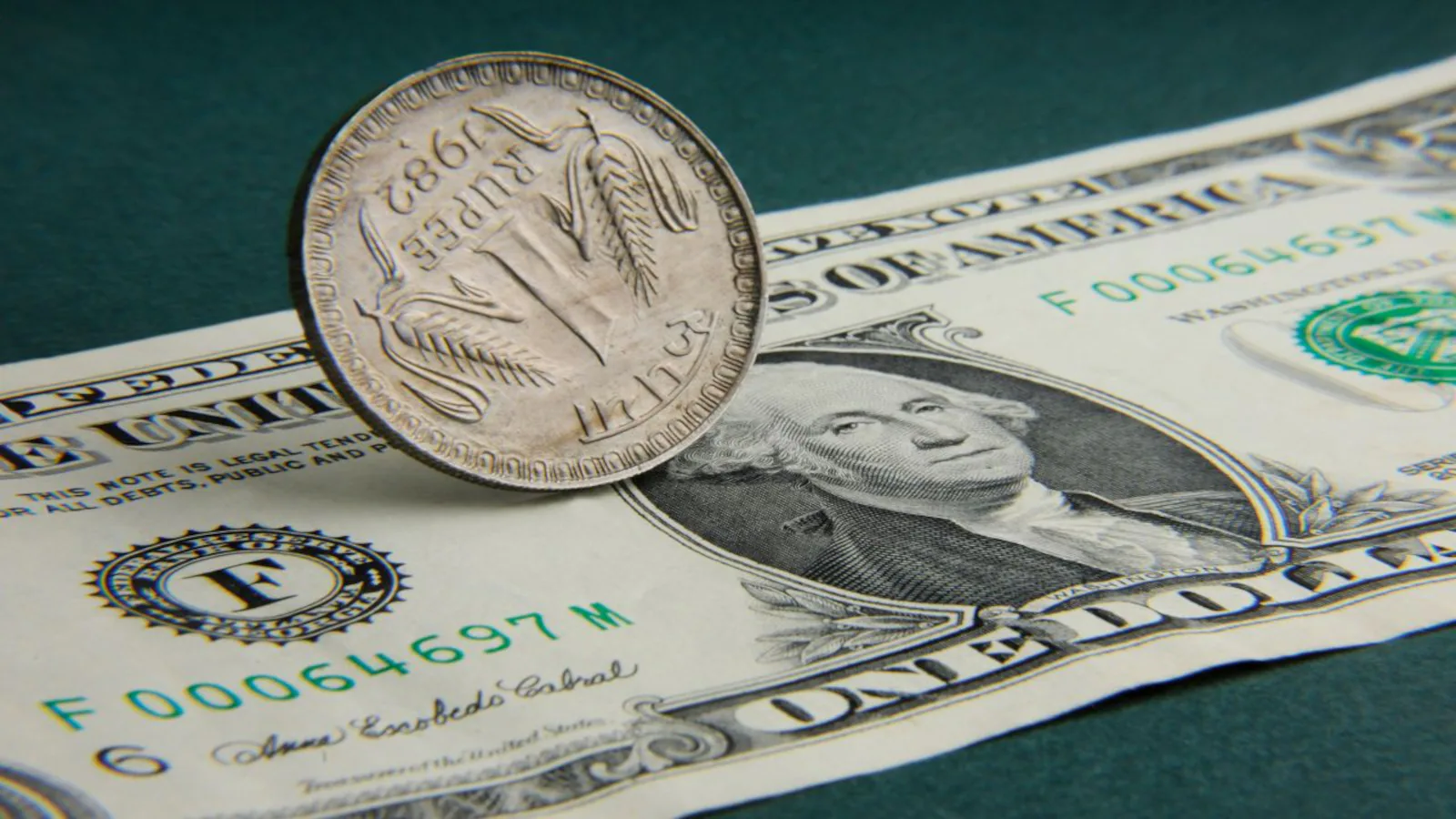
When the US Dollar strengthens against the Indian Rupee (₹), it affects almost every part of the economy from fuel prices to your international travel budget. Here’s what really happens:
1. Imports Become More Expensive
India imports a LOT especially crude oil, electronics, gold, machinery, and medical equipment.
When 1 USD = ₹85 or ₹90, India must pay more rupees for the same product.
Impact:
- Petrol, diesel, LPG can become costlier
- Electronics and smartphones may get expensive
- Inflation rises
2. Exports Become More Competitive
A weaker rupee benefits exporters because they earn more rupees per dollar.
Sectors that benefit:
- IT services
- Pharmaceuticals
- Textiles & garments
- Agricultural exports
Impact:
Companies may see higher revenues → stock prices of exporters can rise.
3. Travel, Studies & Payments Abroad Become Costlier
Anyone paying in dollars will feel the pinch.
Impact:
- Foreign education fees go up
- Overseas travel becomes expensive
- International subscriptions (Netflix, apps, software tools) cost more
4. Higher Inflation Pressure
India must spend more on importing essentials like oil.
This pushes prices of transport, food, and commodities upward.
RBI may even increase interest rates to control inflation.
5. Foreign Investors Pulling Out Money
When the dollar is strong, investors move their money back to the US.
Impact:
- Stock market volatility
- Rupee may weaken more
- Bond yields rise
6. Positive for Remittances
NRIs sending money home help India because each dollar brings more rupees.
Example:
$1,000 remittance
- At ₹82 = ₹82,000
- At ₹89 = ₹89,000
Families in India receive more.
Overall: Mixed Impact
Negative:
- Higher inflation
- Expensive fuel
- Costlier imports
- Higher cost of foreign travel & studies
Positive:
- Export boost
- More remittance benefit
- Export-oriented companies earn more