
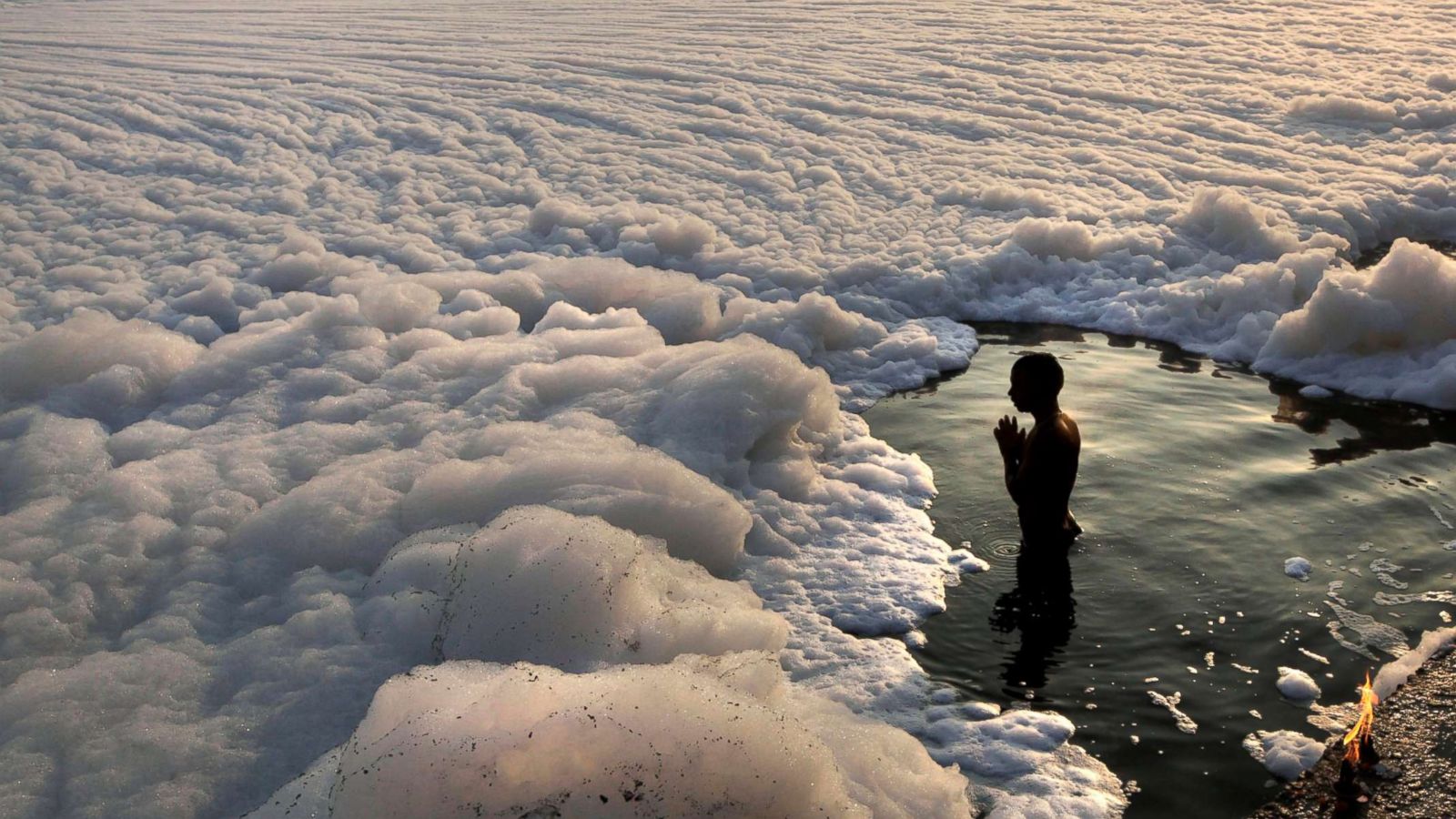
At Kalindi Kunj, the Yamuna wears a familiar disguise thick white foam piling up like snow, floating innocently enough to invite touch. Children run through it, laugh in it, play with it. No warning signs. No barricades. Just poison, dressed as play.
The headlines will flash for a day or two. Photos will circulate. Officials will promise action. And then, as always, attention will drift.
But for Varun Gulati, this has never been a moment. It has been a long war.
For years, Gulati has been tracing the invisible killers flowing through Delhi’s river industrial effluents, untreated sewage, chemical waste from illegal dyeing units operating beyond regulation and accountability. What looks like foam is, in reality, a chemical cocktail: heavy metals and toxins linked to cancer, organ failure, hormonal disruption, and infertility.
This is not abstract environmentalism. This is about bodies. About breath. About blood.
While public outrage rises and falls with the news cycle, Gulati has stayed in the trenches documenting violations, filing court cases, forcing closures, naming systems that look away. His fight has not been symbolic. It has been procedural, relentless, and often lonely. Every shuttered illegal unit has come at the cost of resistance, threats, and bureaucratic inertia.
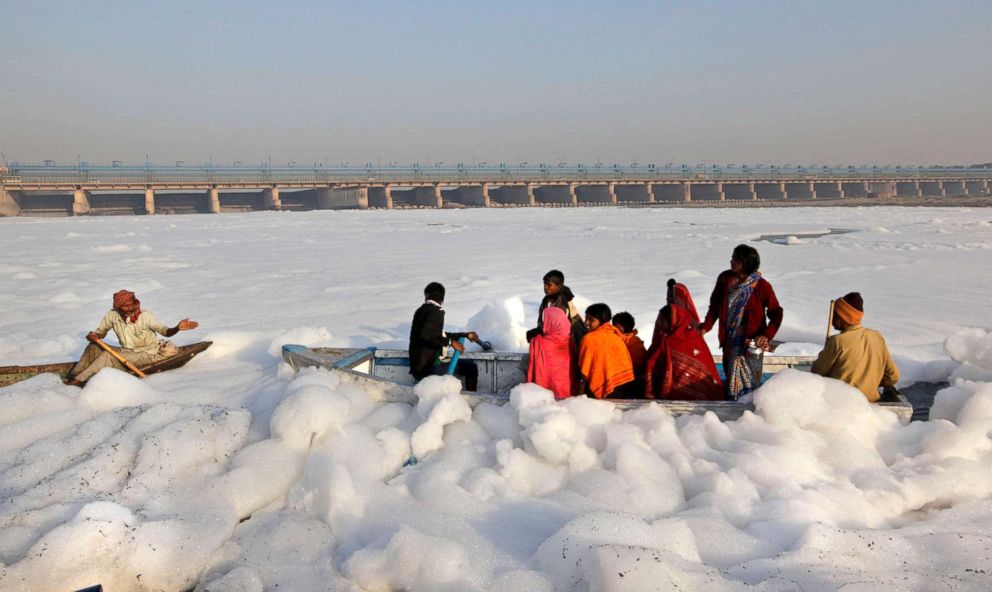
The Yamuna’s crisis is not a mystery. It is the result of enforcement gaps, regulatory fatigue, and convenient silence. Toxic discharge does not happen overnight, and neither does accountability. The river chokes because too many systems treat pollution as collateral damage rather than a crime.
What makes Kalindi Kunj especially disturbing is the normalisation of danger. When children play in toxic foam, it signals not just environmental collapse, but institutional failure. A society that allows its youngest to mistake contamination for amusement has already crossed a dangerous threshold.
Gulati’s work forces an uncomfortable question: how many warnings does a river need before action becomes unavoidable? The science is clear. The evidence is documented. The health risks are established. What remains missing is sustained political and administrative will.
Environmental battles are often framed as idealism versus development. But the Yamuna tells a harsher truth there is no development in poisoning water, no progress in normalising disease, no growth in sacrificing public health for industrial convenience.
Rivers do not die quietly. They suffocate slowly, visibly, and publicly.
And while the foam at Kalindi Kunj will eventually dissolve, the toxins will not. They will linger in soil, in groundwater, in human bodies long after the cameras leave.
Varun Gulati’s fight is a reminder that real change rarely comes from outrage alone. It comes from persistence. From documentation. From refusing to let pollution become routine.
The Yamuna has been crying out for years.
The question is no longer who is polluting it.
The question is who is willing to stop it and who is willing to look away.