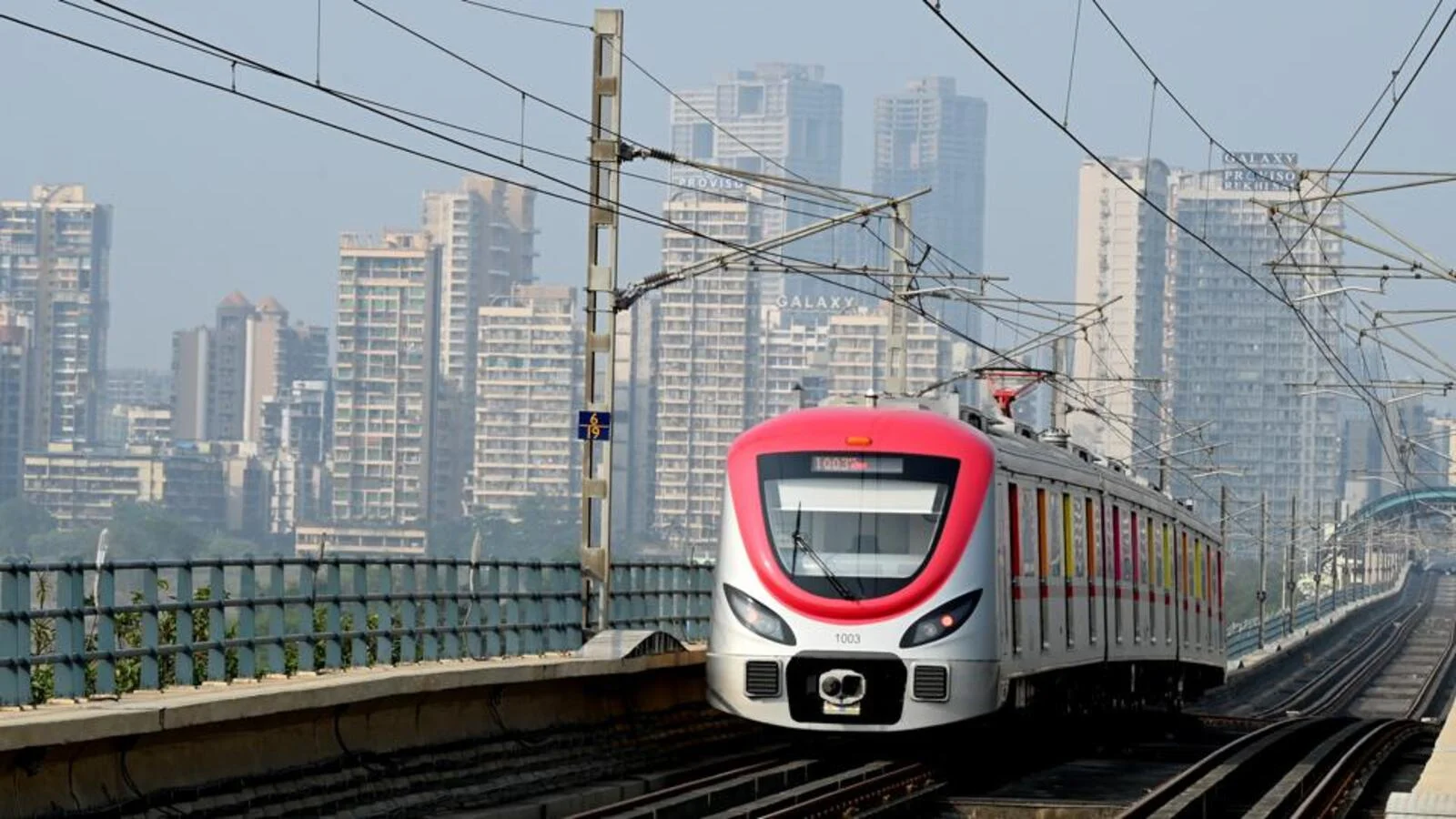
Transit-Oriented Development (TOD) is increasingly shaping Navi Mumbai’s real estate landscape as metro connectivity and railway upgrades change how residents choose where to live and invest. Once seen as a distant satellite city, Navi Mumbai is now witnessing demand shift toward nodes that offer faster, more reliable public transport access.
The expansion of Mumbai Metro lines connecting Navi Mumbai, along with upgrades to the suburban railway network, has significantly reduced travel time between residential hubs and employment centres. Areas located near metro stations and major railway nodes such as Belapur, Kharghar, Taloja, Panvel, and Ulwe are seeing heightened buyer interest. For homebuyers, proximity to transit is no longer a convenience but a priority.
Railway-linked nodes like Panvel have gained renewed importance due to improved connectivity to Mumbai and upcoming infrastructure projects. Similarly, metro corridors are driving demand for housing within walking distance of stations, encouraging higher-density residential and mixed-use developments. Developers are increasingly planning projects that integrate retail, office spaces, and housing around transit hubs to align with TOD principles.
This shift is also influencing pricing patterns. Properties near transit corridors often command a premium, while previously popular but less-connected pockets are witnessing slower absorption. Rental demand, in particular, has grown in transit-accessible areas, driven by professionals seeking shorter commutes and better work-life balance.
However, TOD also brings challenges. Increased density around transit hubs raises concerns about pressure on civic infrastructure, parking, and open spaces. Urban planners caution that transport-led growth must be supported by adequate social infrastructure, pedestrian-friendly design, and sustainable planning practices.
As Navi Mumbai continues to evolve, metro and railway-led development is redefining its demand map. The success of Transit-Oriented Development will ultimately depend on whether improved connectivity is matched with thoughtful urban planning ensuring that growth remains both accessible and livable.