
On weekend mornings across Navi Mumbai, a quiet form of environmental action is taking place. Armed with binoculars, mobile apps, and notebooks, local residents are documenting birds, butterflies, and even air quality becoming citizen scientists in a rapidly urbanising city.
From the mangroves of Nerul and Airoli to neighbourhood gardens and wetlands, birdwatchers regularly record sightings on platforms such as eBird and iNaturalist. These observations help map migration patterns of flamingos, shorebirds, and raptors that depend on Navi Mumbai’s fragile ecosystems. What began as a hobby for many has evolved into a meaningful contribution to biodiversity research, often used by conservationists and policymakers.
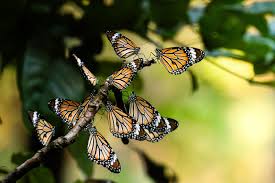
Butterfly enthusiasts, including school students and housing society groups, are also playing a growing role. By tracking species diversity in urban parks and roadside green patches, they highlight how shrinking green spaces and pesticide use affect pollinators. Seasonal butterfly counts have become both educational and advocacy tools, encouraging residents to plant native species and reduce chemical use.
Air quality monitoring is another area where citizen participation is making an impact. Low-cost sensors installed by community groups and environmentally conscious residents provide hyperlocal data on pollution levels often revealing variations not captured by official monitoring stations. This data has strengthened demands for cleaner transport, better traffic management, and greener urban planning.
What makes Navi Mumbai’s citizen science movement significant is its accessibility. Participants are not trained scientists but ordinary citizens students, retirees, professionals motivated by concern for their surroundings. Their collective efforts bridge the gap between lived experience and environmental data.
As the city continues to expand, these grassroots initiatives offer more than information; they foster environmental stewardship. In a time of climate uncertainty, Navi Mumbai’s citizen scientists demonstrate how local action, backed by data, can shape a more informed and resilient urban future.