
Concerns over rising education costs and the struggles of the gig economy are no longer isolated conversations. Together, they reveal a deeper anxiety about economic stability, social mobility, and the changing nature of work in contemporary society. For many families, these two pressures now intersect in daily life high school fees on one side, uncertain incomes on the other.
Over the past decade, school fees have risen steadily, often outpacing wage growth and inflation. What was once considered a manageable household expense has become a recurring financial strain, particularly for middle-income families. Private schooling, increasingly seen as essential for quality education, demands annual fee hikes justified by infrastructure upgrades, technology integration, or curriculum enhancements. Yet for parents, the question is becoming unavoidable: at what point does education shift from investment to burden?
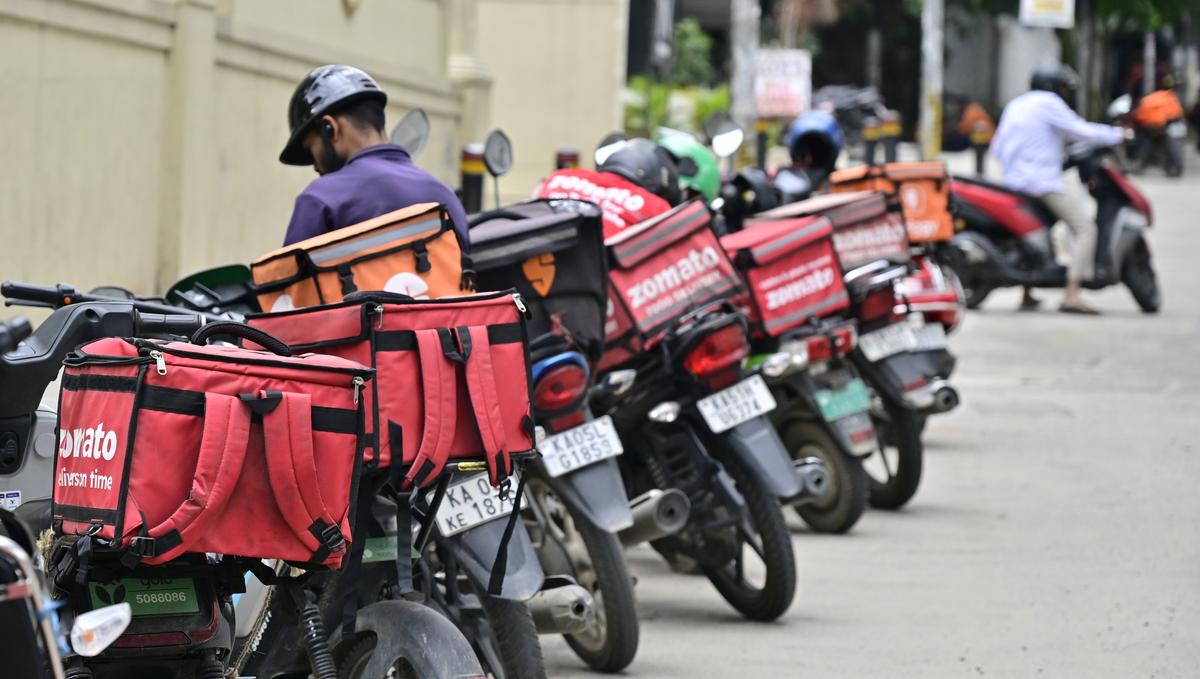
At the same time, the gig economy once marketed as a symbol of flexibility and opportunity has revealed its structural vulnerabilities. Freelancers, delivery workers, ride-hailing drivers, and contract professionals often operate without predictable income, job security, or social protection. Monthly earnings fluctuate, benefits are minimal, and long-term financial planning becomes difficult. For families dependent on gig-based income, committing to rising school fees feels like a gamble rather than a plan.
The mismatch between fixed educational expenses and variable incomes exposes a systemic gap. Schools require regular, non-negotiable payments; gig work offers irregular, uncertain returns. This imbalance forces households to rely on savings, loans, or extended working hours, increasing stress and eroding financial resilience. Education, meant to be a pathway out of precarity, paradoxically deepens it for some.
Policy responses have so far addressed these challenges separately, missing their combined impact. Fee regulation debates rarely consider income volatility, while discussions on gig work focus on platforms and labour rights without accounting for family obligations like education. A more integrated approach is needed one that recognises how household economics function in reality, not in policy silos.
There are signs of adaptation. Some schools are experimenting with flexible payment structures, while gig workers increasingly seek income diversification and cooperative models. However, these remain fragmented solutions in the absence of broader reform. Without predictable incomes or regulated fee growth, families are left to absorb the risk individually.
Ultimately, the conversation about education costs and gig work is not just about affordability or employment models it is about fairness and sustainability. A society that values education must ensure it remains accessible, and a labour market that prizes flexibility must also provide stability. Until these two priorities are aligned, rising school fees and gig economy struggles will continue to reinforce each other, shaping a generation’s sense of insecurity rather than opportunity.