
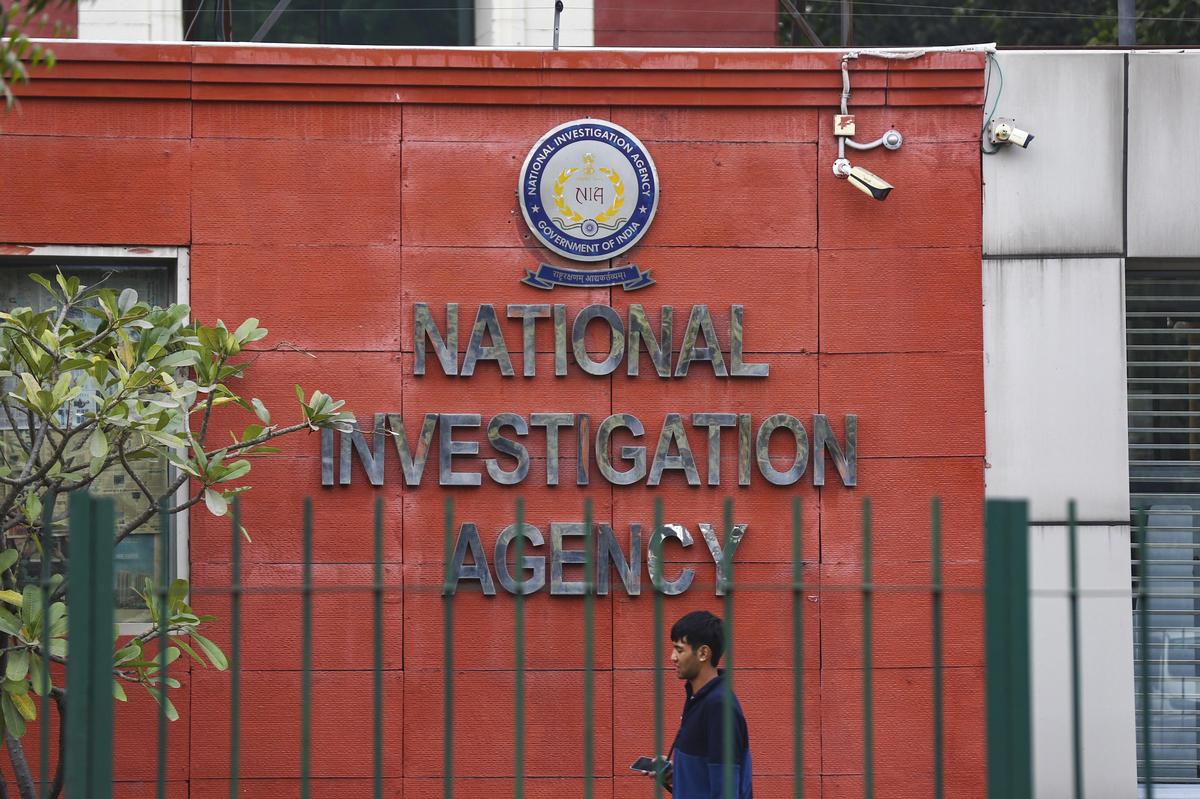
India is set to unveil its first comprehensive anti-terror policy, marking a significant step toward strengthening national security in an increasingly complex threat environment. The policy, currently in its final stages of discussion, aims to create a unified framework to prevent, detect, and respond to terrorism across the country.
Key concerns shaping the policy include the rise of digital radicalisation, where extremist groups use social media platforms, encrypted messaging apps, and online propaganda to recruit and influence vulnerable individuals. Authorities are focusing on improving cyber surveillance, counter-narratives, and coordination between technology platforms and security agencies to curb this growing threat.
Another major issue under review is the misuse of open and porous borders, which has facilitated illegal movement, arms smuggling, and infiltration by terror-linked elements. The proposed policy is expected to recommend tighter border management, enhanced intelligence sharing between states, and stronger coordination with neighbouring countries.
The policy also addresses the role of organised conversion networks allegedly funded by foreign players, which officials believe may be exploited to fuel radicalisation and destabilisation efforts. Measures to track foreign funding, strengthen financial intelligence, and enforce existing laws more effectively are likely to be included.
Once released, the anti-terror policy is expected to serve as a strategic blueprint, aligning central and state agencies under a common vision to safeguard India’s internal security in the years ahead.