
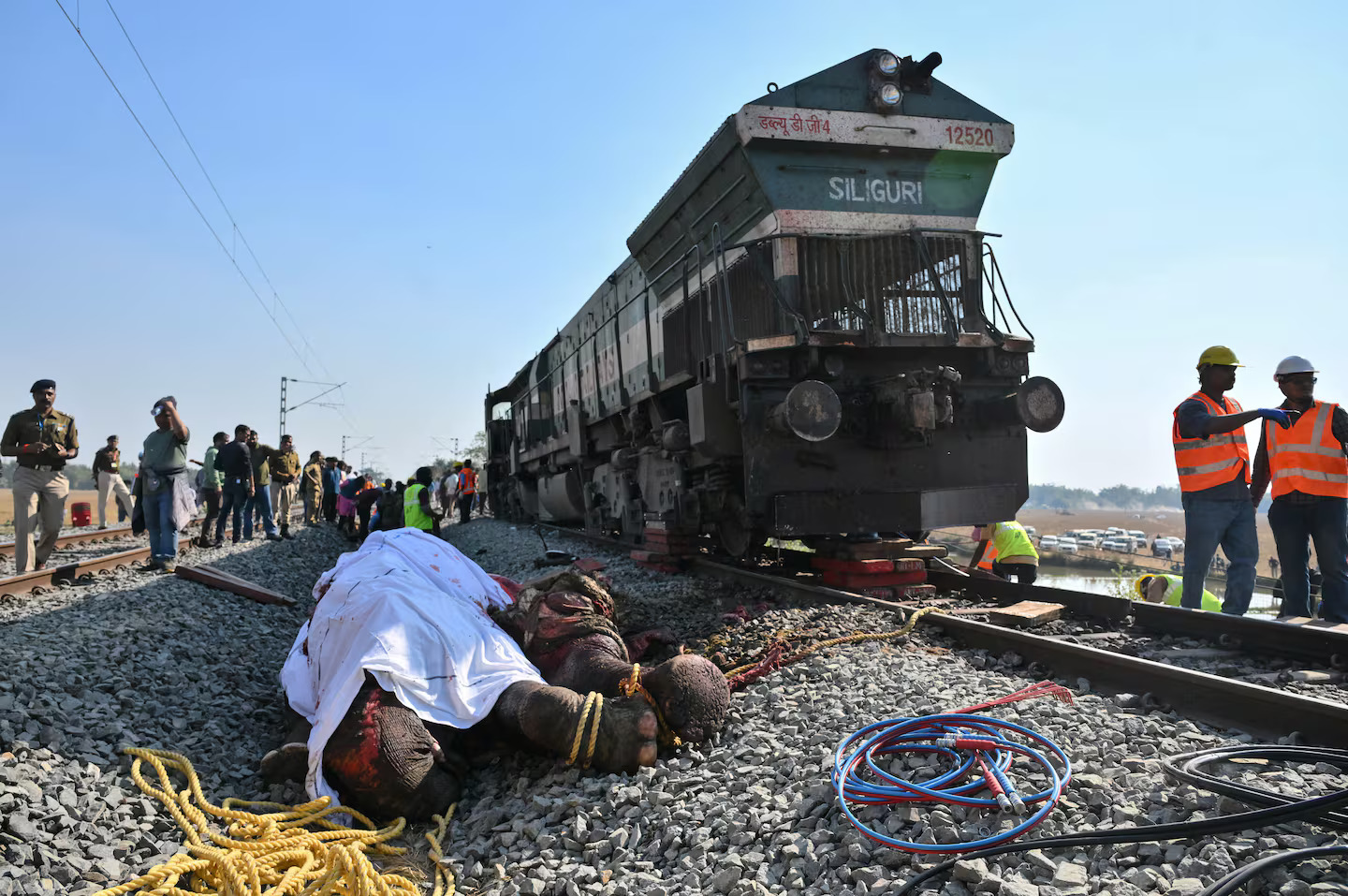
In a tragic incident highlighting the growing conflict between infrastructure expansion and wildlife conservation, an express train in India fatally struck seven elephants as they were crossing railway tracks. The incident has once again drawn national attention to the dangers posed by railway lines cutting through forest corridors and elephant habitats.
According to forest officials, the herd was moving across the tracks during the early hours when the high-speed train was unable to stop in time. Despite emergency braking attempts, the collision proved fatal for several elephants, including calves. The impact also caused disruption to rail services in the area, while forest and railway authorities rushed to the site to assess the situation.
India has witnessed multiple such incidents in recent years, particularly in regions where railway lines pass through designated elephant corridors. Wildlife experts have repeatedly warned that increased train speeds, poor visibility at night, and the absence of early-warning systems significantly raise the risk of animal deaths. Elephants, which often move in groups and follow traditional migratory paths, are especially vulnerable.
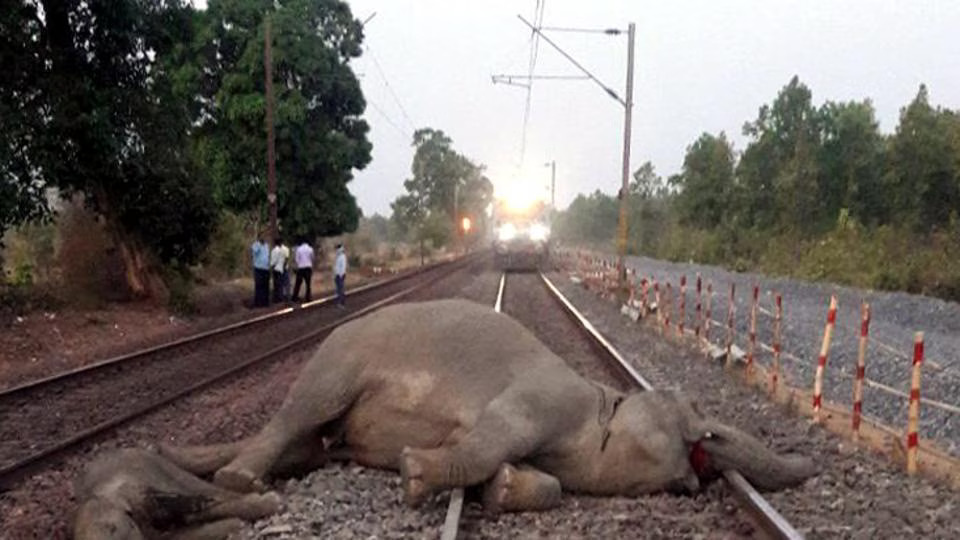
Conservationists have renewed calls for urgent measures, including speed restrictions in forest zones, real-time animal detection systems, underpasses and overpasses, and better coordination between forest departments and railway authorities. Some regions have introduced patrols and thermal sensors, but activists argue that implementation remains inconsistent.
The incident has sparked public outrage and grief, with many questioning the balance between development and environmental responsibility. Elephants are protected under Indian law and are considered a keystone species, playing a vital role in maintaining forest ecosystems.
As investigations continue, experts stress that such tragedies are preventable with stronger safeguards and planning. The loss of seven elephants is not just an environmental tragedy, but a reminder of the urgent need to redesign infrastructure with wildlife protection at its core.