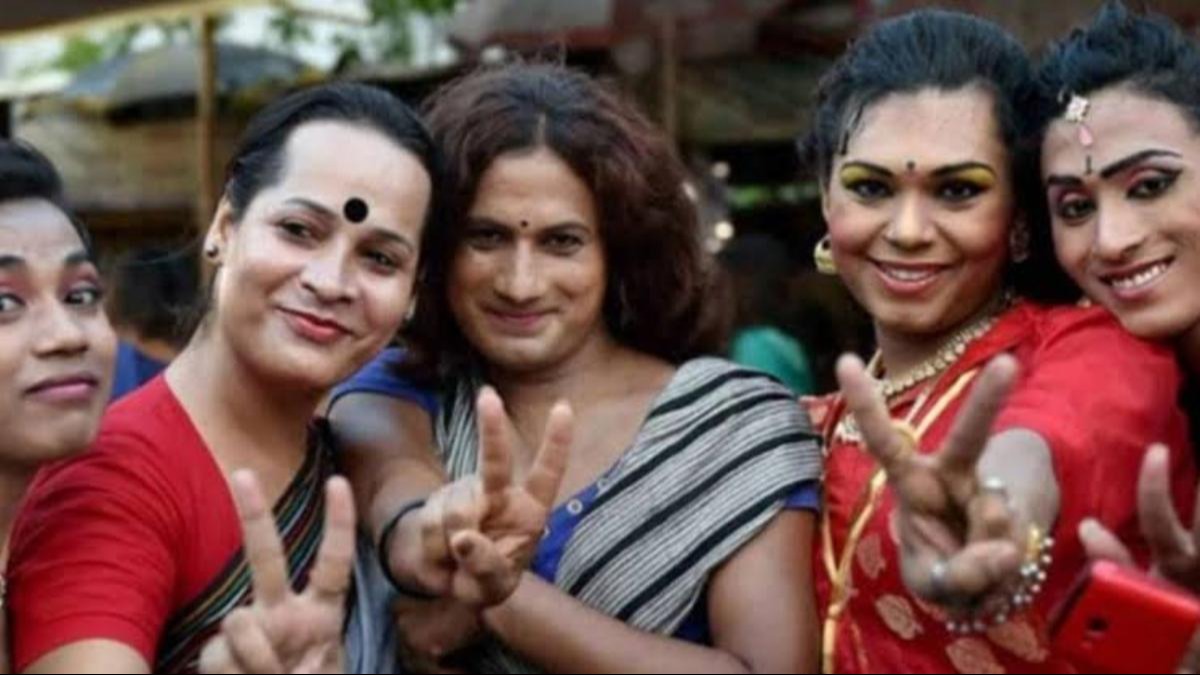
Transgender arts festivals are more than cultural events; they are acts of presence. Across the world, these festivals carve out spaces where transgender lives are not explained or defended, but expressed through music, film, theatre, visual art, and performance. They transform stages, streets, and screens into sites of dignity, resistance, and imagination.
In India, festivals such as the Govandi Arts Festival in Mumbai and Varnapakittu in Kerala have emerged as powerful platforms rooted in community. These gatherings centre lived experience, allowing trans and gender-diverse artists to narrate their own stories rather than be spoken for. Art here becomes a language of survival and joy one that reflects everyday struggles while celebrating identity, resilience, and kinship.
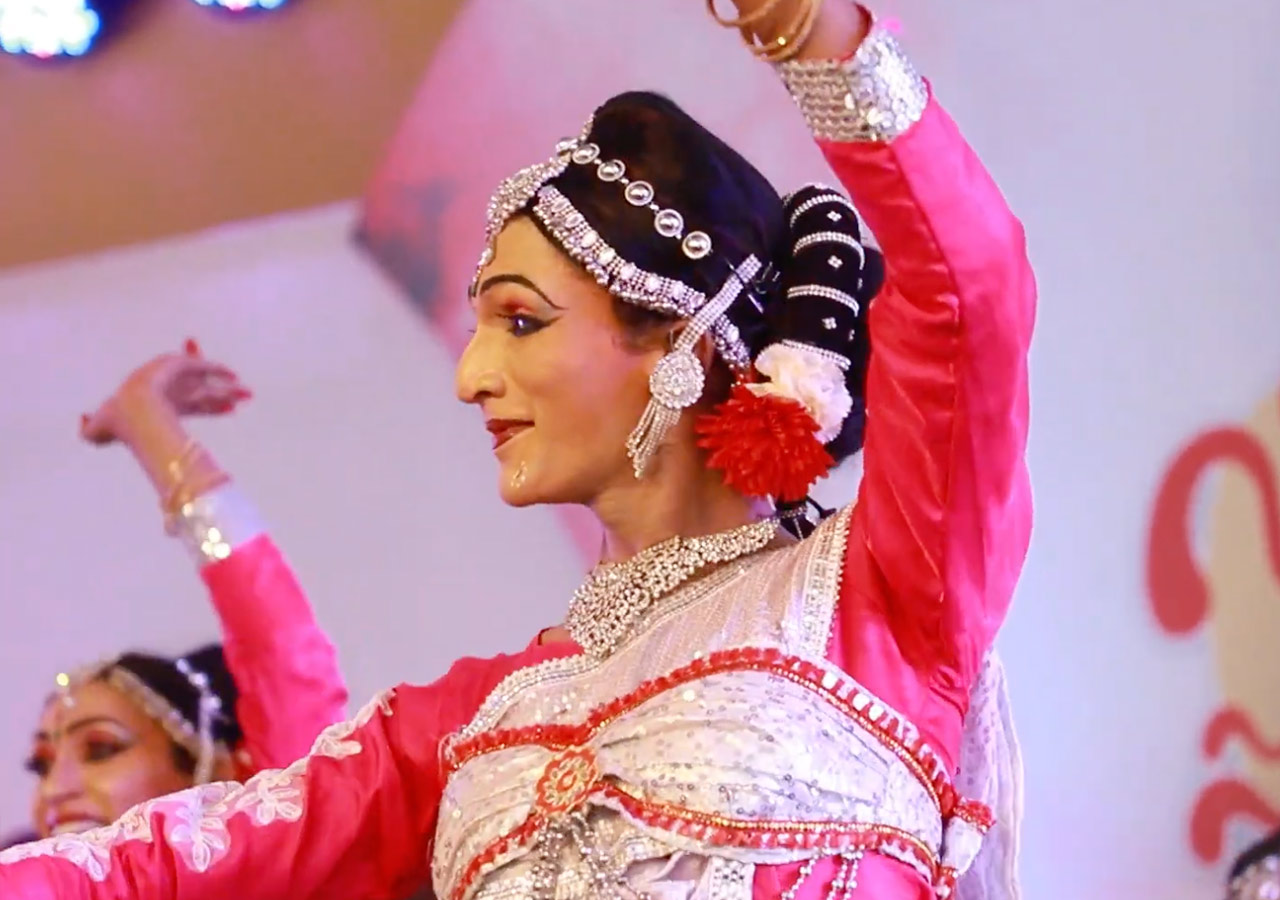
Globally, queer arts festivals like Italy’s Gender Bender demonstrate how trans-focused programming can exist within broader LGBTQIA+ cultural spaces. By foregrounding transgender narratives, these festivals challenge dominant aesthetics and disrupt rigid ideas of gender, inviting audiences to encounter fluidity, complexity, and transformation.
What makes transgender arts festivals uniquely significant is their emphasis on visibility with agency. They do not merely showcase talent; they create ecosystems of empowerment where artists find audiences, communities find reflection, and culture becomes a tool for social change. In societies where transgender people are often marginalised or erased, these festivals insist on presence.
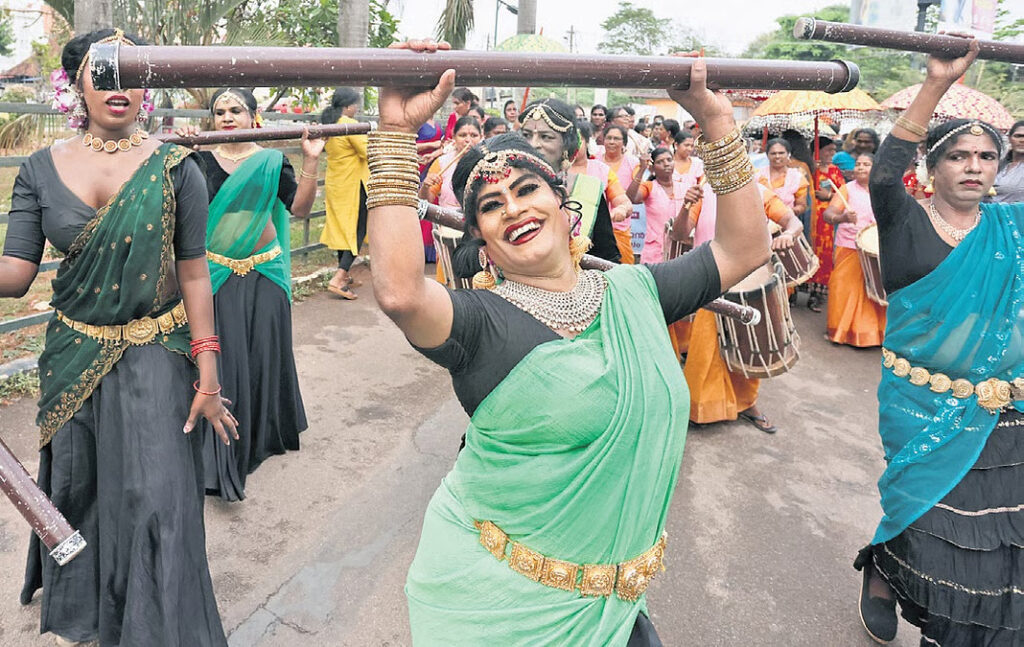
Ultimately, transgender arts festivals remind us that art is not separate from life. It is a mirror, a protest, and a celebration holding space for becoming, belonging, and being seen.