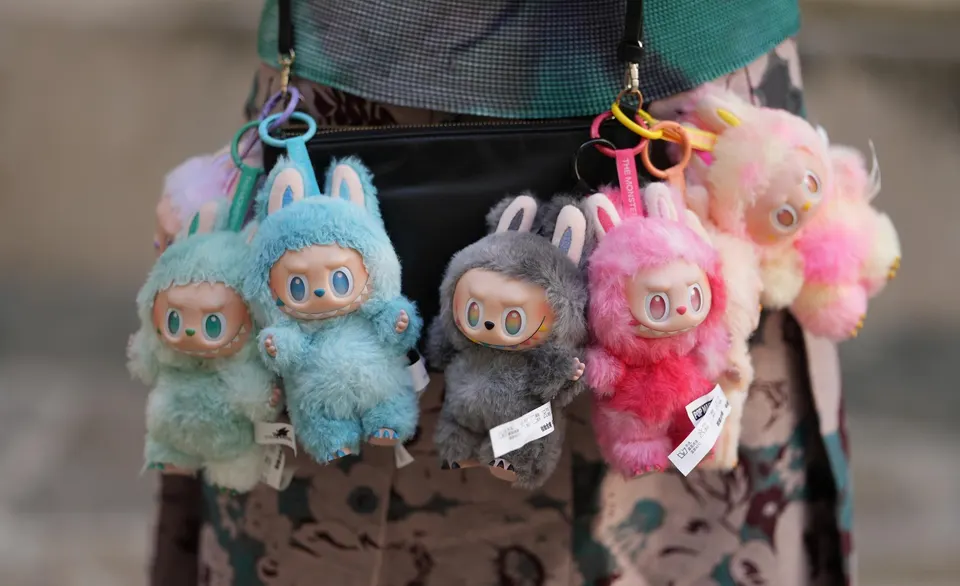
The monster-like grin of Labubus fluffy, elfish creatures with serrated teeth has infiltrated social media feeds, red carpets, and fashion collections worldwide. The Labubu hashtag alone has generated over 1.4 million TikTok videos, nearly doubling revenue for parent company Pop Mart. What began as a collectible toy has evolved into a symbol of contemporary consumer culture, nostalgia, and social status.
Created in 2016 by artist Kasing Lung, Labubu draws inspiration from Nordic folklore and European fairytales. Lung envisioned a character that could trigger collective childhood memories while transcending cultural boundaries. The result: a monster toy whose cuteness masks a sharp commentary on consumer psychology. Labubu mania capitalizes on our longing for familiarity, comfort, and symbolic distinction, turning a small toy into a digital-era status symbol.
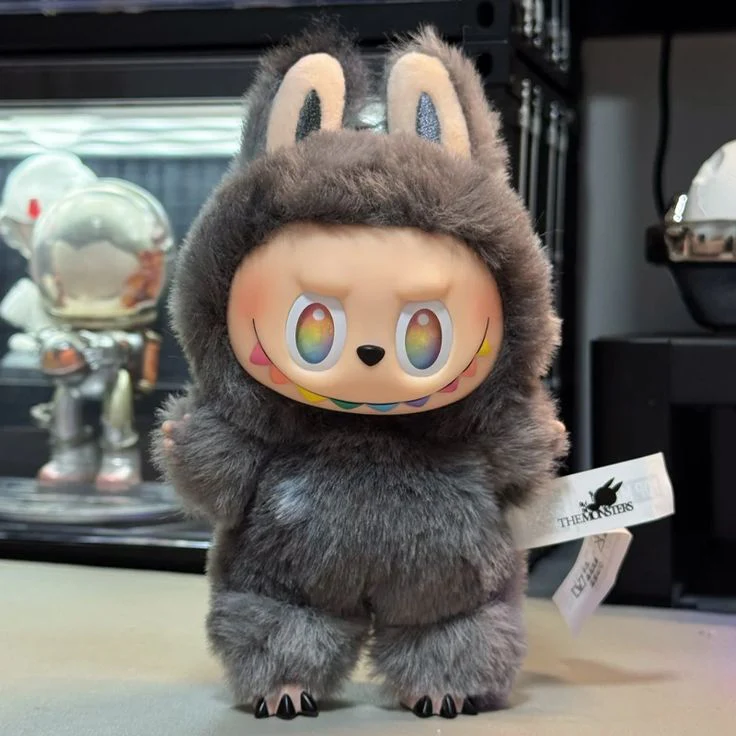
Economists highlight the “lipstick effect” to explain this phenomenon a tendency for consumers to indulge in mini-luxuries during periods of economic uncertainty. A $40 Labubu collectible becomes a psychological balm, a small indulgence to soothe anxieties about long-term financial instability. Blind boxes, rare editions, and even 24-carat gold or life-sized variants amplify this comfort consumerism, creating micro-trends fueled by anticipation, exclusivity, and social signaling.
The cultural critique is inescapable. The viral image of a Labubu toy on Karl Marx’s grave, with the inscription “workers of all lands unite,” is ironic yet telling: Marx’s warnings about commodity fetishism and the symbolic power of inanimate objects resonate vividly in a world where plush toys confer social status. The craze underscores how modern consumerism prizes appearance and collectibility over utility.
Yet, the paradox of Labubu’s popularity is inevitable. Celebrity endorsements and initial scarcity once amplified its cachet; mainstream adoption now erodes it. In the relentless cycle of status-driven consumption, commodities lose social value as soon as they become accessible, ultimately contributing to overflowing landfills and environmental degradation. Labubu, fluffy grin and all, reminds us that in late-stage capitalism, even joy is commodified and consumerism remains the final boss.