Located along the western coast of Navi Mumbai, the city’s climate is deeply influenced by geography, rapid urbanisation, and its proximity to the Arabian Sea. Designed as a planned satellite city to decongest Mumbai, Navi Mumbai today stands at a critical intersection—where infrastructure-led growth must now respond to environmental realities.
A Coastal Climate: Naturally Humid, Increasingly Vulnerable
Navi Mumbai experiences a tropical wet-and-dry climate, characterised by:
- Hot, humid summers (March–May) with temperatures often crossing 34°C.
- Intense monsoons (June–September) bringing heavy rainfall and periodic flooding.
- Mild winters (November–February), though humidity remains present year-round.
Historically, the coastal breeze moderated extreme temperatures. However, expanding construction corridors and declining mangrove buffers have begun to alter this balance, creating warmer microclimates within dense urban nodes.
Urbanisation and the Heat Island Effect
As one of India’s fastest-growing planned cities, Navi Mumbai has witnessed rapid transformation led by agencies like CIDCO. While this enabled structured development, the scale of construction roads, commercial hubs, logistics parks, and residential clusters has intensified what climatologists call the Urban Heat Island Effect.
Concrete, asphalt, and glass absorb and retain heat, making:
- Evenings warmer than surrounding rural belts
- Air circulation slower in high-density sectors
- Energy demand for cooling significantly higher
This shift is subtle but cumulative, gradually redefining how residents experience the city’s climate.
Monsoon Patterns: From Predictable to Erratic
The monsoon has always been central to life in Maharashtra, but recent years show:
- Shorter, more intense rainfall bursts
- Increased instances of waterlogging despite planned drainage
- Stress on transport and housing infrastructure
Climate scientists link these patterns to broader climate variability across India, where coastal cities are experiencing sharper rainfall events rather than evenly distributed seasonal precipitation.
For Navi Mumbai, built on reclaimed land and low-lying zones, this raises long-term resilience questions.
Mangroves: The City’s Natural Climate Shield
One of Navi Mumbai’s greatest ecological assets is its mangrove ecosystem. These coastal forests:
- Act as carbon sinks
- Protect against storm surges and flooding
- Regulate local temperature and humidity
- Support biodiversity within an urban landscape
Where preserved, mangroves function as natural climate infrastructure often more effective than engineered solutions. Where reduced, vulnerability increases.
Air Quality and Mobility: A Growing Climate Concern
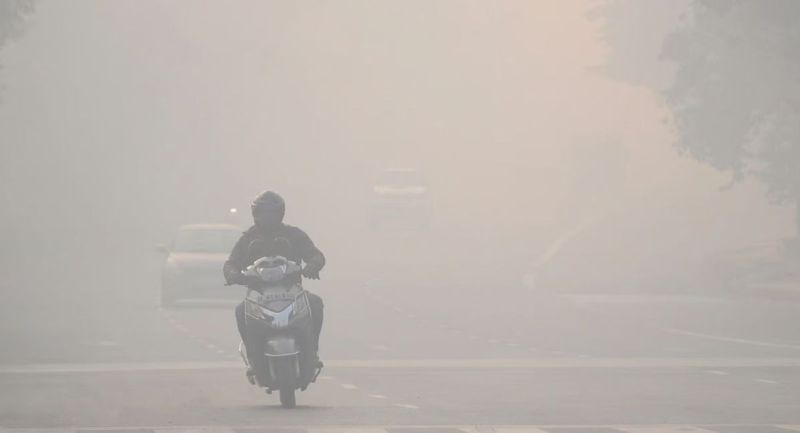
Unlike older industrial cities, Navi Mumbai was envisioned as cleaner and less congested. Yet rising vehicle ownership and logistics-driven development are steadily impacting air quality.
Transport emissions now play a growing role in:
- Localised pollution hotspots
- Higher particulate matter during dry months
- Increased greenhouse gas contribution from urban commuting patterns
The climate conversation here is not about legacy pollution but about preventing future lock-in.
Infrastructure Meets Sustainability: A Defining Decade Ahead
With major developments such as new transport corridors, business districts, and expanding residential zones, Navi Mumbai is entering a phase where climate-sensitive planning will determine its long-term livability.
Key opportunities include:
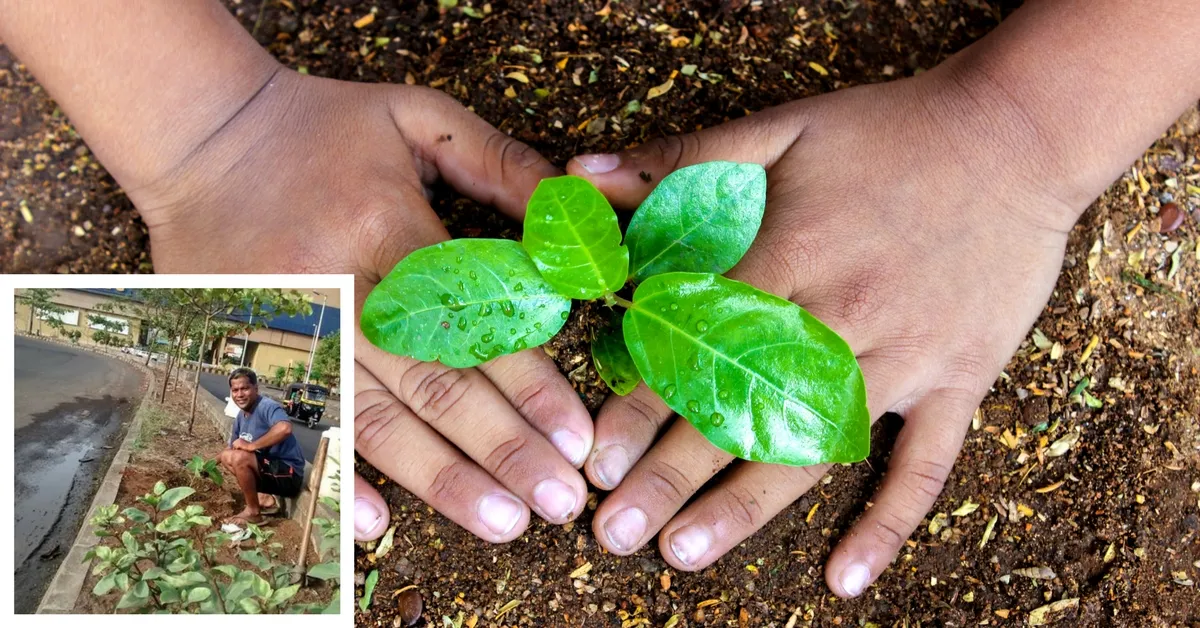
Integrating green cover into urban design
Expanding non-motorised mobility networks
Protecting wetlands and mangrove belts
Designing climate-resilient drainage and coastal systems
Encouraging energy-efficient commercial spaces
Because in a planned city, climate outcomes are not accidental—they are designed.
Conclusion: A Planned City Must Now Plan for Climate
Navi Mumbai was once imagined as the future of urban India orderly, spacious, and forward-looking. Today, that vision must evolve to include climate resilience as a central principle.
The city’s coastal geography offers both advantage and responsibility.
If growth continues without ecological integration, climate pressures will intensify.
If sustainability is embedded into planning, Navi Mumbai can become a model for how emerging cities adapt before crisis defines them.
The climate story of Navi Mumbai is still being written and unlike older cities, it has the rare chance to get it right in time.