Education is often called the great equalizer, but for homeless and migrant children, it remains a distant promise. Across the world, initiatives aimed at addressing their educational needs have emerged temporary schools, bridge programs, informal learning centers, and mobile classrooms. While these interventions reflect goodwill, they often operate as isolated “patchwork” solutions rather than integrated systems, leaving children caught between instability and opportunity.
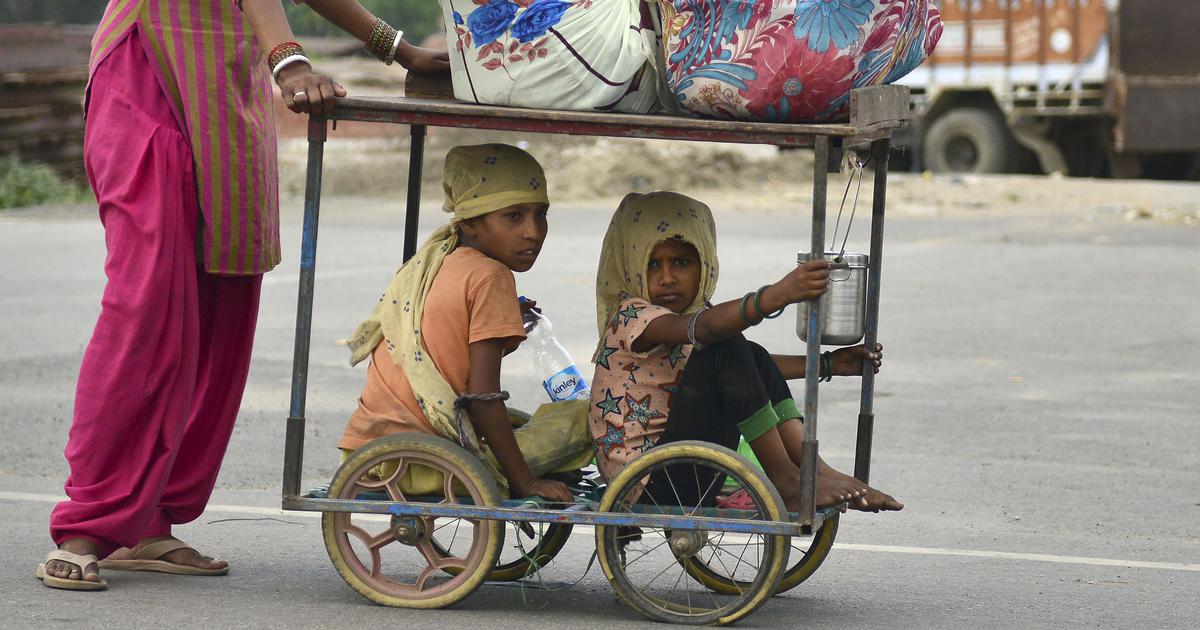
One of the fundamental challenges is continuity. Migrant families move frequently in search of work, and homeless children often shift between shelters or live on the streets. Without a stable learning environment, even the most well-intentioned programs struggle to ensure consistent academic progress. Curriculum gaps, lack of trained teachers, and limited resources compound the problem, creating fragmented educational experiences.
Equally significant is the emotional and psychological dimension. Learning is not just about textbooks; it requires a safe, supportive environment where children feel valued and secure. Patchwork models, by nature, are temporary and often under-resourced, failing to address trauma, language barriers, and the sense of exclusion that many migrant and homeless children experience.
Moreover, these programs often exist at the margins of mainstream education. When children eventually transition to formal schools, they face mismatched syllabi, documentation hurdles, and social alienation. The cycle of exclusion perpetuates, undermining the very goal of empowerment through education.
Reflecting on these gaps, it becomes clear that a sustainable solution requires more than stopgap measures. Holistic, integrated policies that combine stability, inclusivity, psychological support, and community engagement are essential. Only when education systems are designed to meet children where they are in both place and circumstance can the promise of learning truly reach those who need it most.