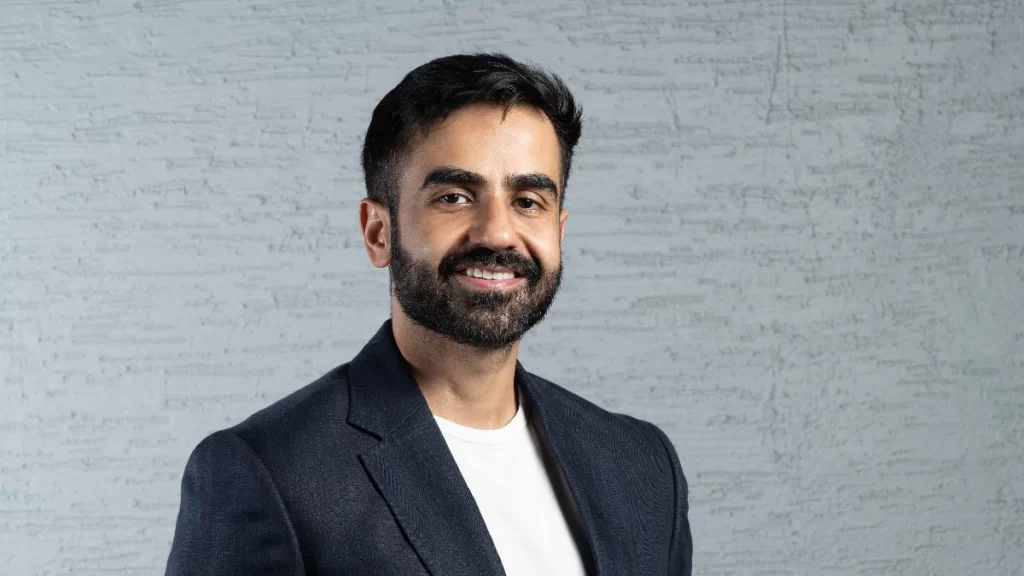

Nikhil Kamath, co-founder of Zerodha and True Beacon, is known for his strategic approach to investing. As we move further into 2025, his insights remain invaluable for both seasoned and budding investors. Here’s a breakdown of his current investment philosophy.
.
Diversification is Key
Kamath emphasizes the importance of a diversified portfolio. He advises retail investors to balance their investments across various asset classes. In India, where real estate often dominates household wealth, he suggests allocating funds into equities, debt instruments, and alternative assets to mitigate risks.
Bullish on Energy Transition
Looking ahead, Kamath is particularly optimistic about the energy transition sector. He believes that renewable energy will experience significant growth over the next three years, making it a promising area for investment.
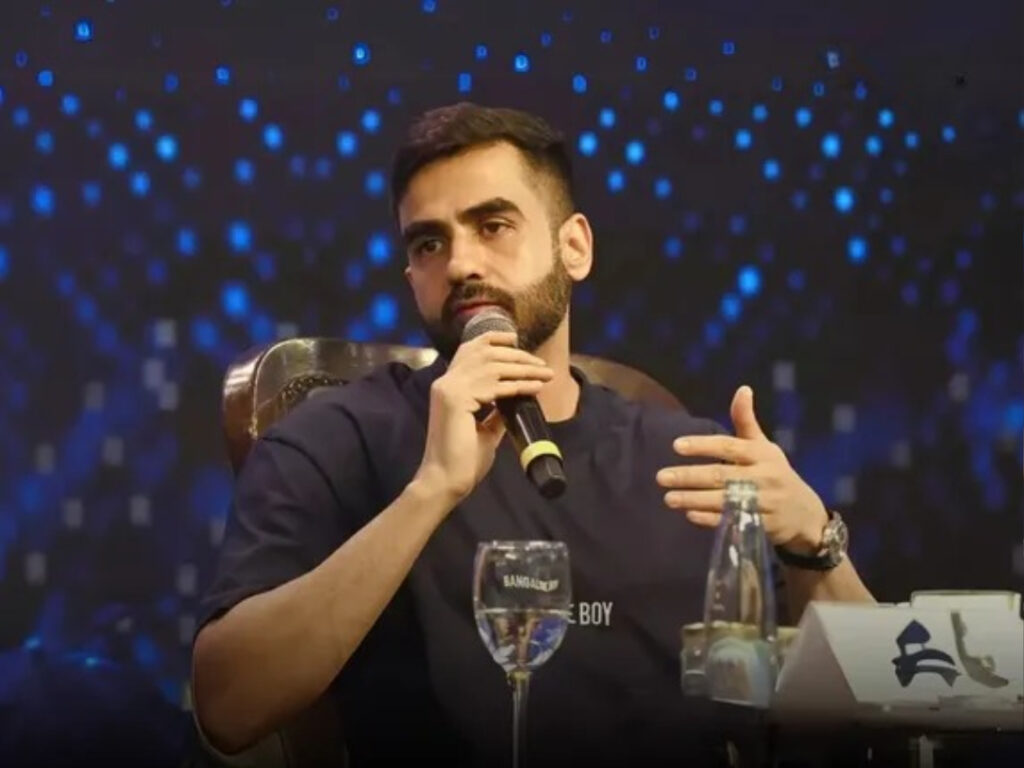
Caution Against Overleveraging
Kamath warns against the temptation to time the market or use debt to finance investments. He stresses the unpredictability of markets and advises investors to avoid leveraging their positions, which can lead to significant losses.

Prioritize Research Over Trends
Instead of chasing fleeting market trends, Kamath advocates for thorough research. He suggests focusing on sectors with long-term growth potential, such as renewable energy, and aligning investments accordingly.
Set Stop-Losses to Manage Risk
To protect against significant losses, Kamath recommends setting stop-loss orders. This strategy helps investors limit potential downturns and maintain control over their investments.
Nikhil Kamath’s investment strategies for 2025 revolve around diversification, caution, and informed decision-making. By focusing on sectors with long-term growth potential and avoiding overleveraging, investors can navigate the complexities of the market more effectively. His emphasis on research and risk management serves as a valuable guide for those looking to build a resilient investment portfolio.
Sure! Here’s a concise, 200-word article covering GST and Diwali investment trends in India