Some films age.
Rang De Basanti simply waits for you to catch up.
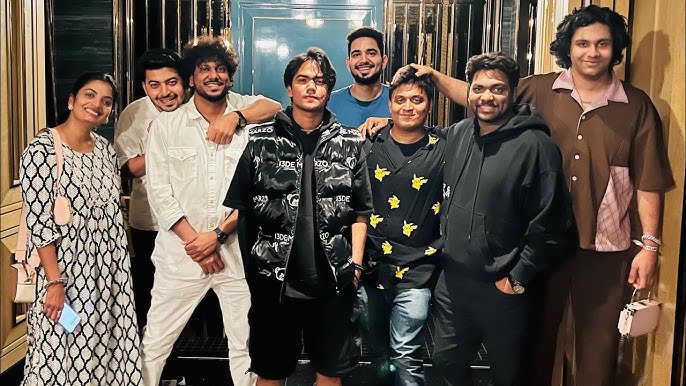
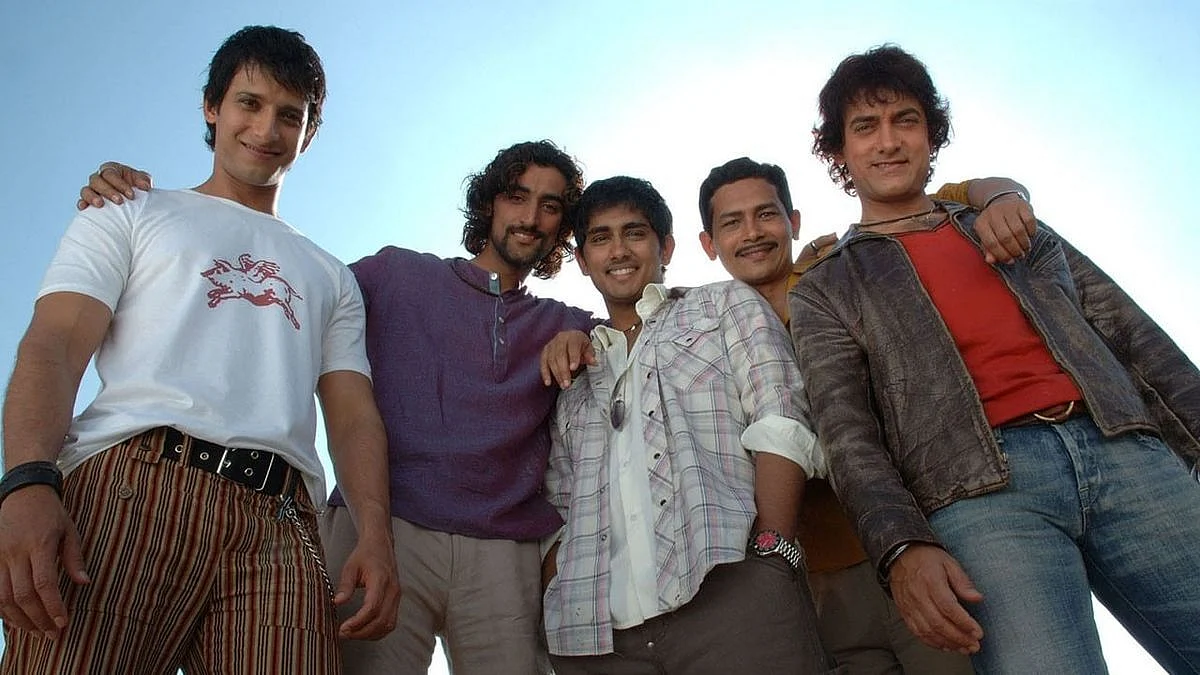
Twenty years on, the cast of the iconic film reunited in Mumbai for a special screening, with Aamir Khan joining his once-young, once-angry, forever-idealistic gang. The room was full of familiar faces, but the silence before the screen lit up said everything this was not just a reunion, it was a memory reopening itself.
In 2006, Rang De Basanti did something rare. It spoke to a generation without lecturing it. It didn’t shout patriotism; it hummed it softly “Rang de basanti chola…” and somehow made rebellion feel intimate, personal, inevitable.
Watching the cast together again felt like meeting old friends you once planned a revolution with. DJ, Karan, Aslam, Sukhi, Laxman characters who blurred so seamlessly into the actors who played them that we stopped separating the two. They weren’t heroes. They were us, sitting in college canteens, arguing about corruption, believing just for a moment that change was possible.
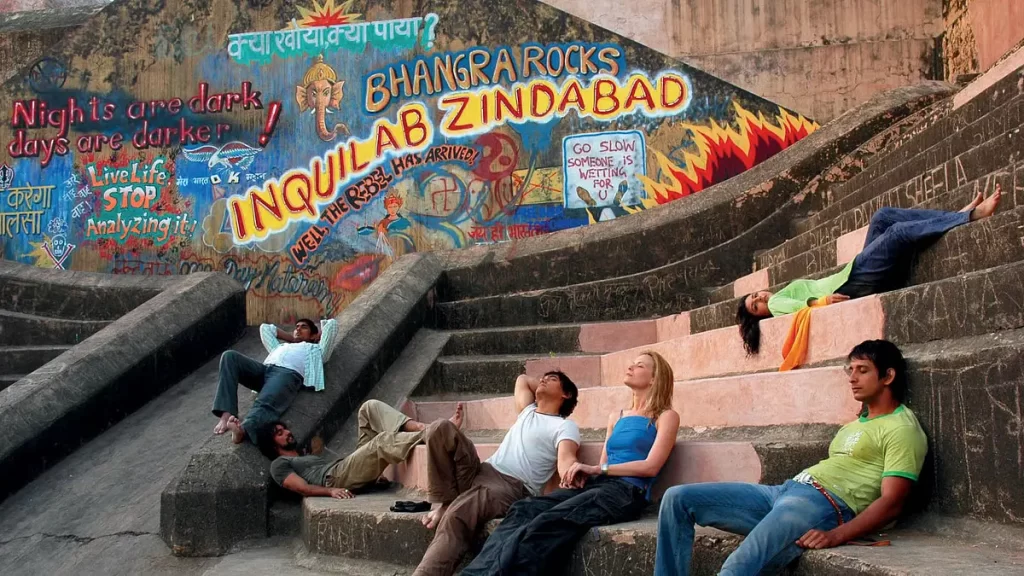
The songs did half the storytelling.
“Roobaroo… roshni” wasn’t just a track; it was a mirror, asking uncomfortable questions.
“Khoon chala” carried grief without melodrama.
And “Paathshaala” reminded us that classrooms aren’t always where learning happens.
At the reunion, laughter came easily. Time had softened edges, added greys, deepened smiles. But beneath the nostalgia was a quieter recognition: the anger that film carried still exists, only now it’s layered with fatigue, compromise, and adulthood.
Back then, we walked out of theatres changed. Some protested. Some argued more fiercely. Some simply believed a little harder. Today, the film feels less like a call to action and more like a question left unanswered.
What happened to that fire?
Perhaps that’s why Rang De Basanti endures. Not because it offers solutions, but because it preserves a feeling the moment when idealism felt urgent, when silence felt like betrayal, when friendship felt political.
As the credits rolled and the cast stood together, there was no attempt to recreate the past. No speeches about impact. Just presence. And that felt right. Some stories don’t need updating; they need remembering.
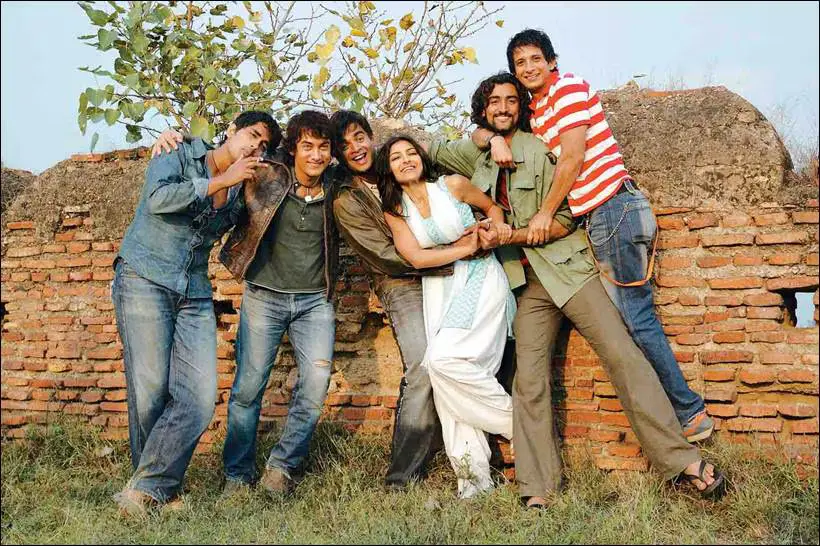
Twenty years later, Rang De Basanti still doesn’t belong to its makers alone. It belongs to every viewer who once sang along, every heart that beat faster in that final act, every generation that wonders whether it still has the courage to care.
“Sarfaroshi ki tamanna…”not as a slogan, but as a lingering echo.
Some films end when the lights come on.
This one never did.