
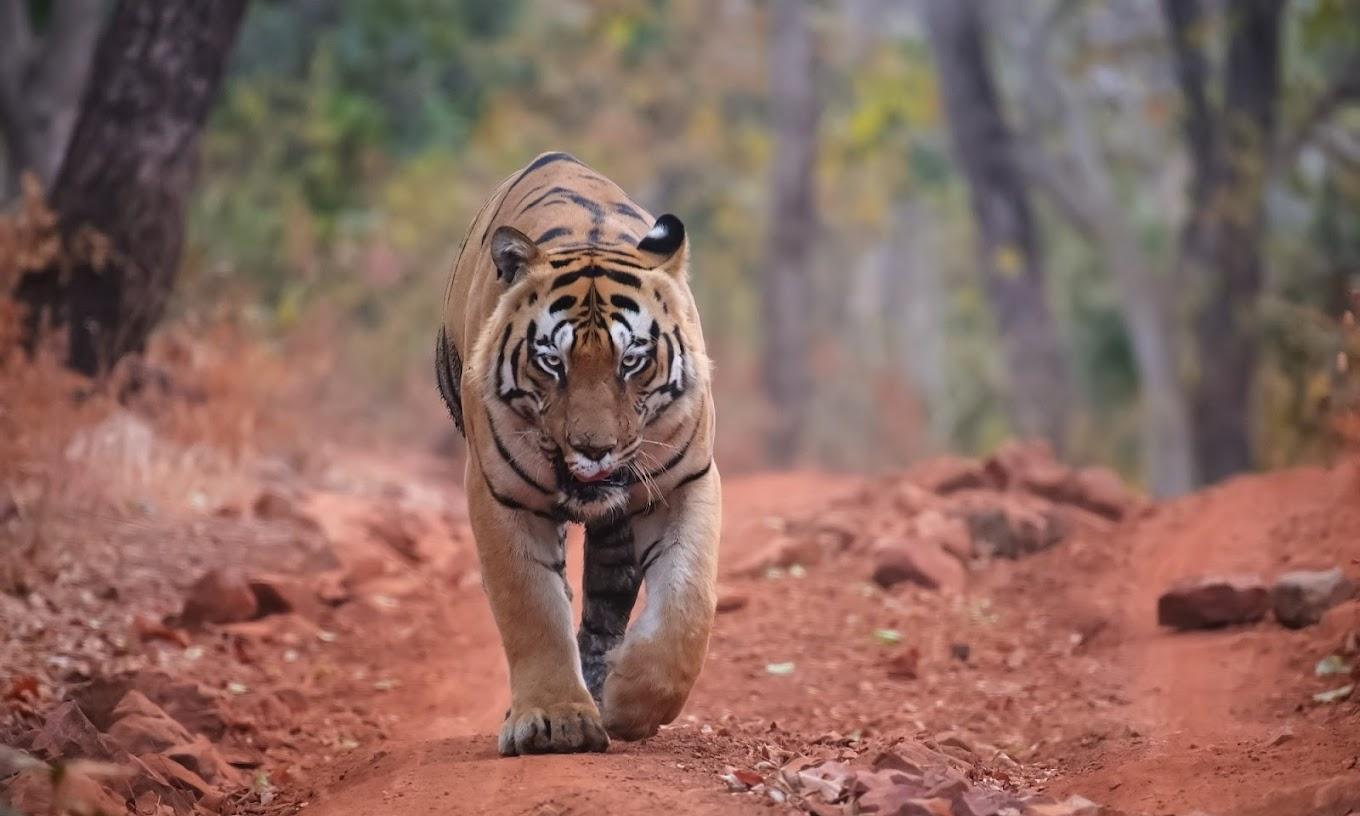
An extraordinary 53-day journey of a transient male tiger from Maharashtra’s Tadoba landscape came to an end on Friday evening when forest officials safely tranquilised the animal in Kurmapuram village of Andhra Pradesh’s East Godavari district. The tiger, which swam across two rivers and traversed forest corridors and human-dominated landscapes across three States, was secured inside a cattle shed and is reported to be in stable condition.
Forest officials described the animal’s movement as one of the longest recorded dispersals by a tiger in recent years. Beginning from the Tadoba-Andhari Tiger Reserve, the big cat moved through parts of Maharashtra, Telangana, and finally Andhra Pradesh, navigating a mosaic of forests, agricultural fields, and inhabited areas. Remarkably, despite passing close to human settlements, the tiger did not attack any person during its prolonged journey.
The operation to secure the animal was carried out after careful monitoring by forest departments across the three States. Teams tracked the tiger’s movement using camera traps, field surveillance, and local intelligence, coordinating closely to avoid panic and ensure public safety. Officials said the tranquilisation was conducted only after the tiger entered a cattle shed in Kurmapuram village, allowing veterinarians to act without causing harm to the animal or residents.
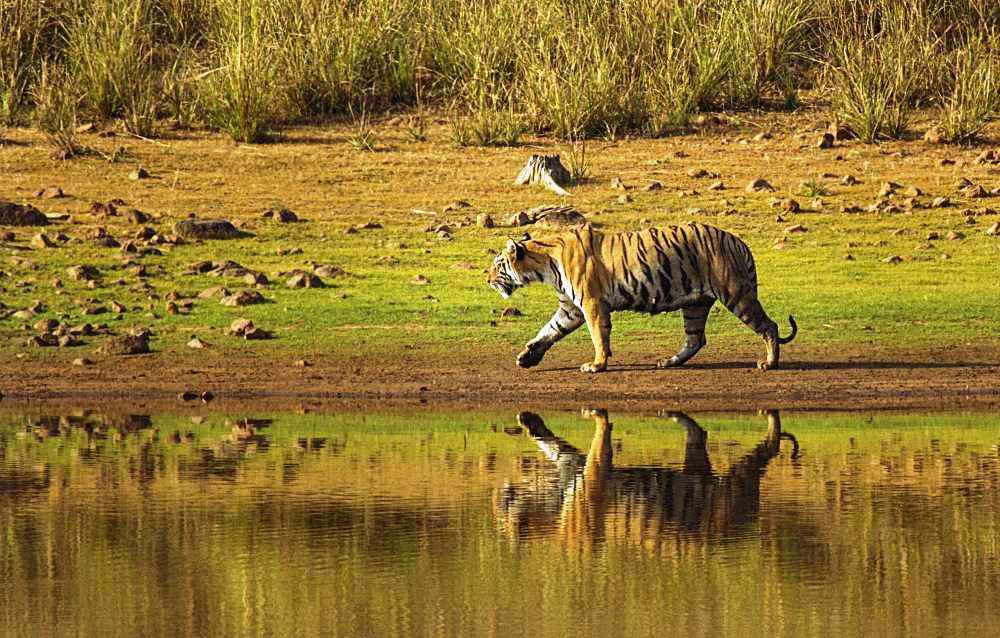
Experts note that such long-distance dispersal is a natural behaviour among young male tigers searching for territory, particularly in landscapes where core habitats are saturated. The tiger’s ability to swim across major rivers and move through fragmented corridors highlights both the resilience of the species and the importance of maintaining ecological connectivity between forests.
At the same time, the incident underscores the growing interface between wildlife and human settlements. As tiger populations recover in several reserves, dispersing animals are increasingly encountering villages, farms, and infrastructure, raising complex management challenges for conservation authorities.
Forest officials said a decision is yet to be taken on whether the tiger will be shifted to a zoo, a rescue centre, or rehabilitated in a suitable forest habitat. Veterinary teams will continue to monitor the animal’s health while authorities assess ecological, logistical, and safety considerations.
The Tadoba tiger’s journey stands as a rare example of coexistence amid movement, demonstrating that with vigilance, coordination, and restraint, potential conflict between humans and wildlife can be minimised even during one of the most remarkable cross-State journeys undertaken by a wild tiger in recent memory