Can a river be brought back to life when entire villages decide to care?
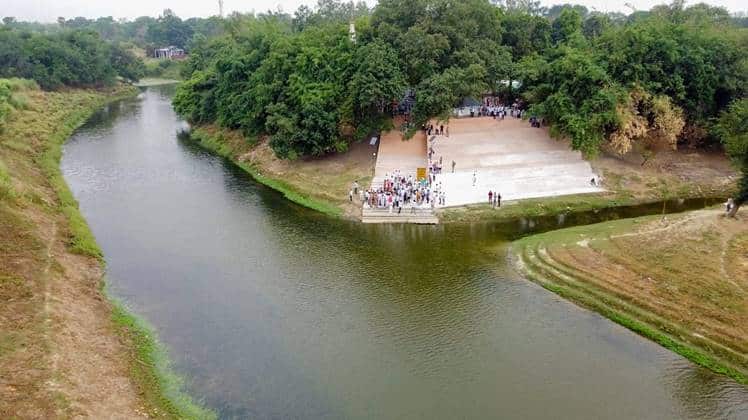
In eastern Uttar Pradesh, the answer is now flowing again through the Tamsa River a historic tributary of the Ganga that had once been reduced to a struggling watercourse burdened by siltation, waste accumulation, and encroachments.
A Collective Effort Rooted in Local Action
In Azamgarh district, 111 Gram Panchayats came together to restore an 89-kilometre stretch of the river under the Namami Gange Programme.
What makes this effort remarkable is not just its scale, but its leadership driven not by contractors or agencies alone, but by citizens themselves.
Villagers participated in shramdaan (voluntary labour), joined by workers under the MGNREGA, sanitation teams, schoolchildren, women’s self-help groups, and local volunteers. Together they:
- Removed layers of silt choking the river’s natural flow
- Cleared plastic waste and debris from the channel
- Cleaned riverbanks and traditional ghats
- Reopened stretches that had nearly vanished under neglect
Beyond Cleaning: Ecological and Economic Restoration
The initiative deliberately moved beyond a one-time cleanup.
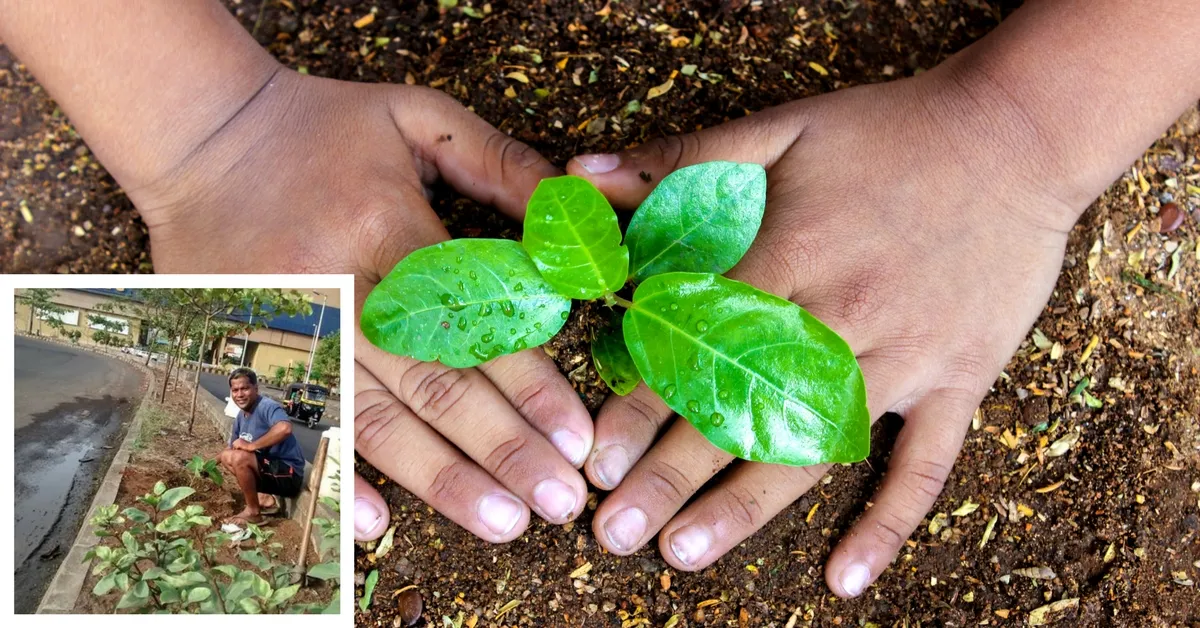
Fruit-bearing trees were planted along available riverbank land, creating a living ecological corridor. This step serves multiple purposes:
- Stabilising soil and preventing erosion
- Supporting biodiversity recovery
- Offering future economic returns to nearby communities
By linking ecology with livelihoods, the restoration aligned environmental care with local incentives ensuring people remain invested in protecting the river.
Building Habits, Not Just Infrastructure
Awareness drives and waste-segregation practices were introduced across participating villages to prevent the river from slipping back into decline. Schools and community groups became custodians of behavioural change, reinforcing that conservation is continuous, not episodic.
Early Signs of Renewal
The impact is already visible:
- Improved water quality and flow
- Return of aquatic life and bird activity
- Enhanced irrigation potential for surrounding farmland
- Stronger community ownership of natural resources
A Model for Grassroots River Conservation
The revival of the Tamsa demonstrates a critical lesson: rivers cannot be restored by policy alone. They recover when communities reconnect with them as shared lifelines rather than neglected backyards.
This is what conservation looks like when it is not imposed from above but built from within where participation becomes protection, and restoration becomes a collective identity.
In an era of large-scale environmental challenges, the Tamsa’s story reminds us that sustainable change often begins with local hands in the soil and a shared decision to care.