

If there’s one unspoken rule of Stranger Things, it’s this: death is optional. Very optional.
Every season, the show expertly convinces us that a beloved character is gone forever cue emotional music, slow-motion hugs, and collective internet mourning. And then? Surprise. They’re back. Slightly traumatized, occasionally imprisoned in another dimension, but very much alive.
Hopper “dies” in an explosion? Nope he’s just chilling in a Russian prison. Eleven loses her powers and her friends? Temporary inconvenience. Max appears heartbreakingly lifeless in Season 4? Don’t panic she’s in a coma, which in Hawkins is basically a waiting room.

This isn’t a flaw; it’s a feature. Stranger Things understands something crucial about its audience: we are emotionally attached, fragile, and not prepared to say goodbye. The show thrives on suspense without committing to irreversible loss. It gives us fear with a safety net.
Sure, a few secondary characters don’t make it (RIP Barb, Bob, Eddie gone but never forgotten), but the core gang? Practically immortal. Hawkins may be cursed, invaded, and repeatedly on the brink of apocalypse, yet its main characters survive like it’s their superpower.
In the end, Stranger Things isn’t about death it’s about friendship, resilience, and surviving impossible odds. And honestly? We’re okay with that. Because in a world this dark, sometimes not killing your favourites is the real plot twist.
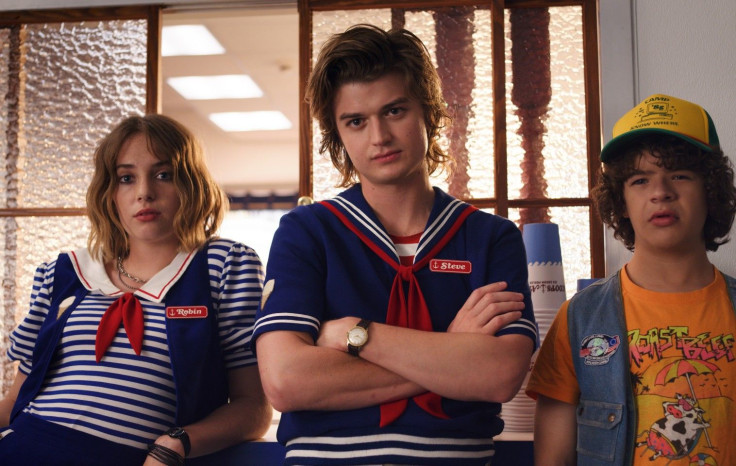
If there’s one unspoken rule of Stranger Things, it’s this: death is optional. Very optional.
Every season, the show expertly convinces us that a beloved character is gone forever cue emotional music, slow-motion hugs, and collective internet mourning. And then? Surprise. They’re back. Slightly traumatized, occasionally imprisoned in another dimension, but very much alive.
Hopper “dies” in an explosion? Nope he’s just chilling in a Russian prison. Eleven loses her powers and her friends? Temporary inconvenience. Max appears heartbreakingly lifeless in Season 4? Don’t panic she’s in a coma, which in Hawkins is basically a waiting room.
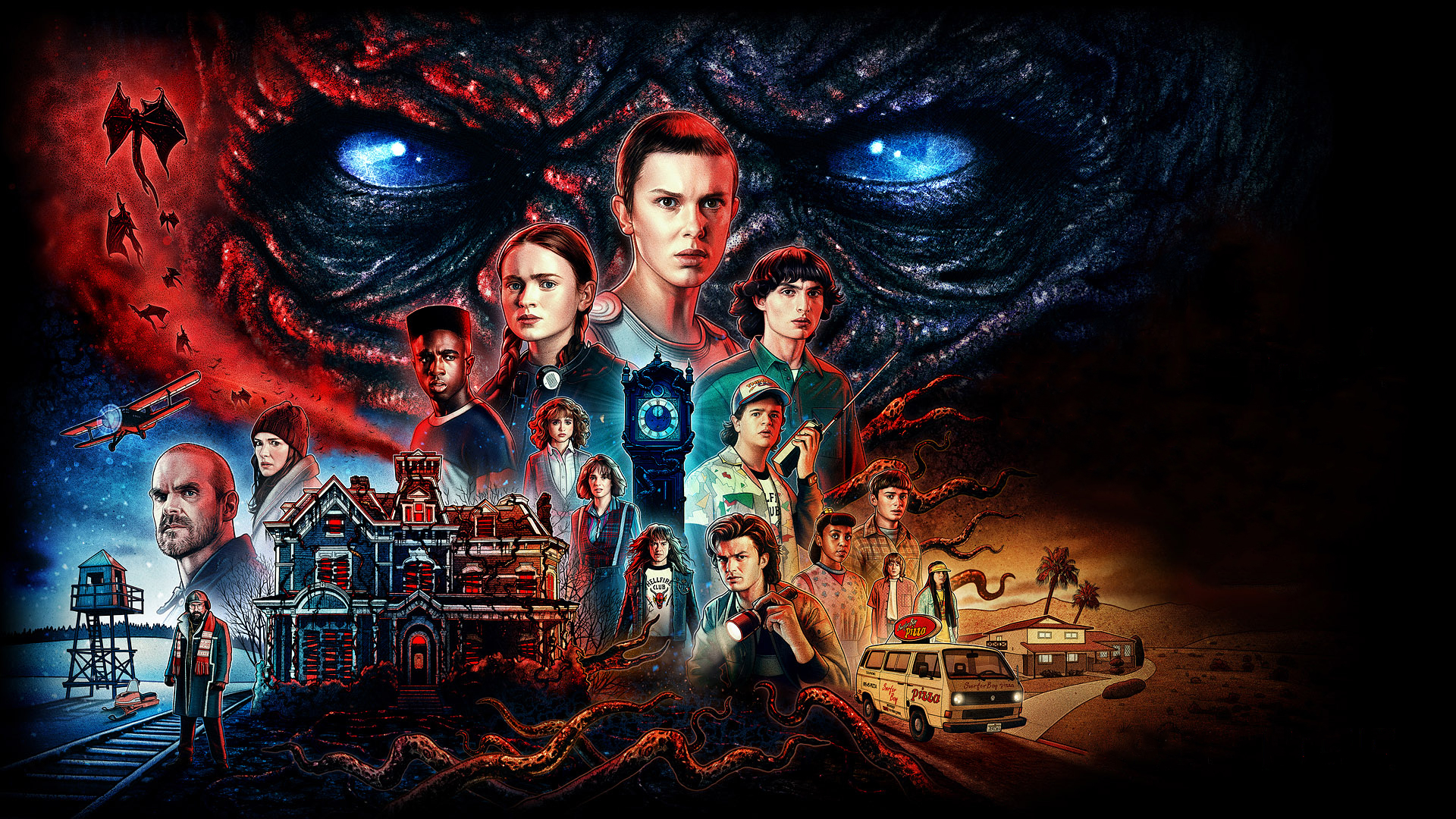
This isn’t a flaw; it’s a feature. Stranger Things understands something crucial about its audience: we are emotionally attached, fragile, and not prepared to say goodbye. The show thrives on suspense without committing to irreversible loss. It gives us fear with a safety net.
Sure, a few secondary characters don’t make it (RIP Barb, Bob, Eddie gone but never forgotten), but the core gang? Practically immortal. Hawkins may be cursed, invaded, and repeatedly on the brink of apocalypse, yet its main characters survive like it’s their superpower.
In the end, Stranger Things isn’t about death it’s about friendship, resilience, and surviving impossible odds. And honestly? We’re okay with that. Because in a world this dark, sometimes not killing your favourites is the real plot twist.