
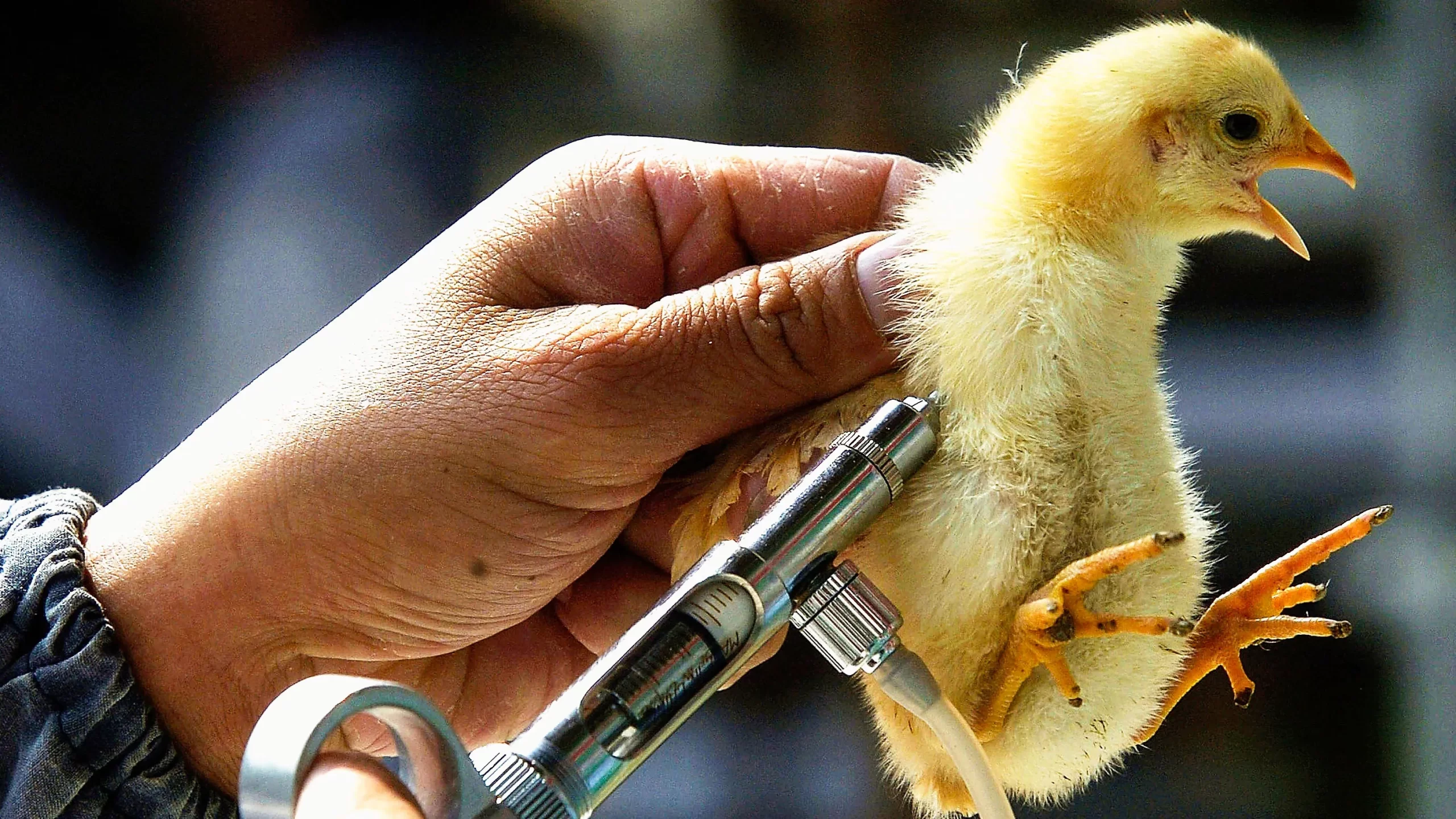
As the world remains alert after COVID-19, a pressing question is resurfacing: can bird flu trigger the next global pandemic? Indian researchers are now attempting to answer this by simulating how avian influenza viruses could evolve, spread, and potentially adapt to humans.
Bird flu, particularly strains like H5N1 and H7N9, has long been known to infect birds with occasional spillover into humans. While human-to-human transmission remains rare, the concern lies in the virus’s ability to mutate. Indian scientists, using advanced computational models and simulations, are studying scenarios in which these viruses could acquire traits that make them more transmissible among humans.
The simulations focus on mutation patterns, transmission dynamics, and global mobility. Researchers analyse how changes in the virus’s genetic structure especially those affecting respiratory transmission could increase pandemic risk. Factors such as dense poultry farming, human–animal interaction, climate change, and international travel are also built into the models to assess how quickly an outbreak could escalate.
Experts involved in the research stress that these simulations do not predict an inevitable pandemic but serve as an early warning system. By identifying high-risk mutations and transmission pathways in advance, health authorities can strengthen surveillance, improve vaccine preparedness, and design faster containment strategies.
India’s role in this research is significant, given its large population, extensive poultry sector, and growing scientific capacity. The findings are expected to contribute to global pandemic preparedness efforts and inform policy decisions on bio-security and public health response.
While bird flu has not yet shown sustained human-to-human spread, researchers caution against complacency. The simulations reinforce a key lesson from recent history: preparedness, not panic, is the strongest defence against the next potential pandemic.