
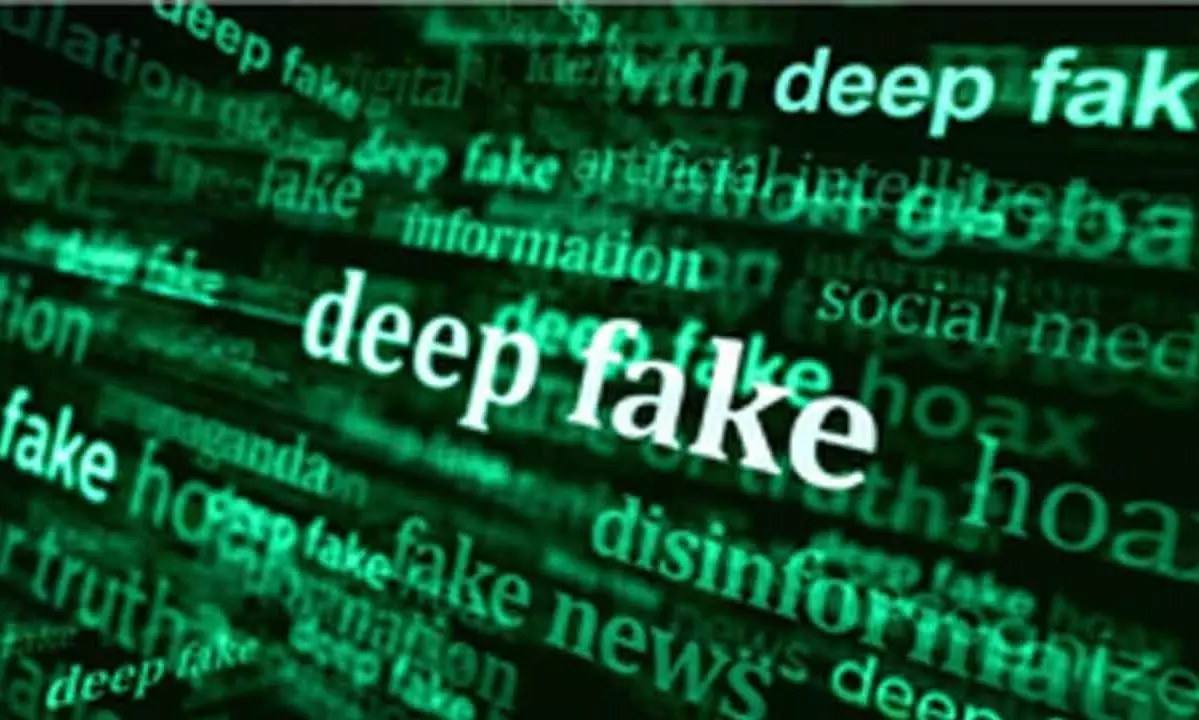
In recent years, AI-generated deepfakes have captured global attention, blending cutting-edge technology with viral entertainment. From swapping faces in movie clips to recreating celebrity performances, deepfakes showcase AI’s incredible ability to manipulate images and videos in hyper-realistic ways. For creators and audiences, this technology opens doors to novel storytelling and interactive experiences but the flipside is far more concerning.
Deepfakes are not just harmless fun. They can be exploited to spread misinformation, create fake news, or even defraud individuals online. Videos of public figures saying things they never did or altered footage of events can go viral within hours, leaving viewers confused about what is real and what is AI-generated. In extreme cases, deepfakes have been used for cyberbullying, harassment, and financial scams, highlighting serious ethical and legal concerns.
Governments, tech companies, and researchers are racing to combat misuse. AI detection tools are being developed to identify manipulated content, while platforms like social media sites are creating stricter guidelines for deepfake uploads. Public awareness is equally critical users must learn to critically evaluate videos, verify sources, and report suspicious content.
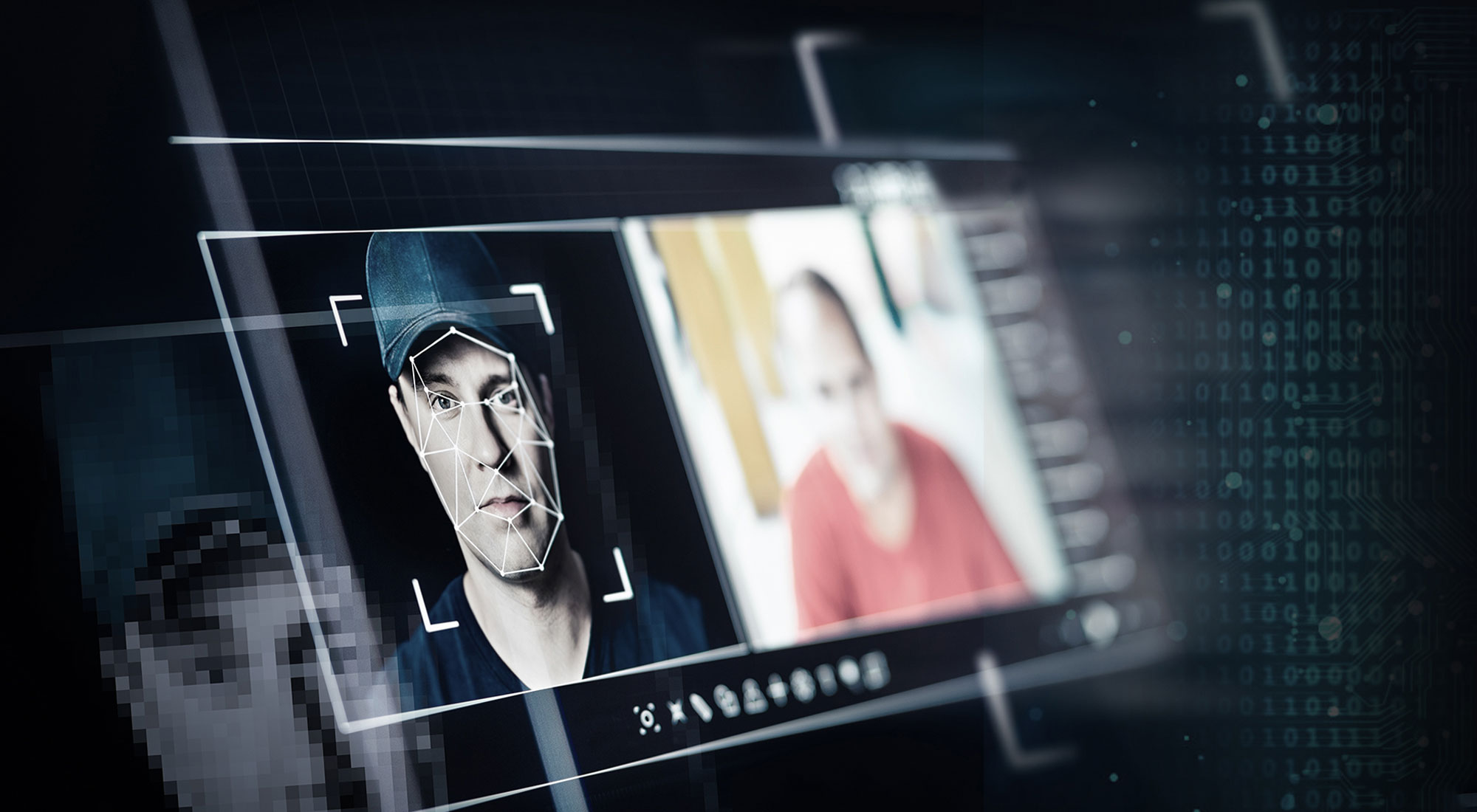
Despite the risks, deepfakes also present opportunities in education, entertainment, and accessibility. Historical figures can be brought to life in classrooms, filmmakers can experiment with new visual effects, and individuals can create personalized content safely when used responsibly.
The deepfake revolution is a double-edged sword: a tool for creativity and a potential weapon of deception. Balancing innovation with responsibility is key. As AI continues to evolve, the fight against misinformation will depend on technology, regulation, and informed users working together to separate fact from fiction in a world where seeing is no longer always believing.