A new face can mean far more than physical change it can restore identity, confidence, and the ability to return to everyday life. Indian medicine is now moving closer to making that possibility a reality.
AIIMS New Delhi has announced the country’s first dedicated face transplantation programme, marking a significant milestone in advanced reconstructive surgery and multidisciplinary medical care.
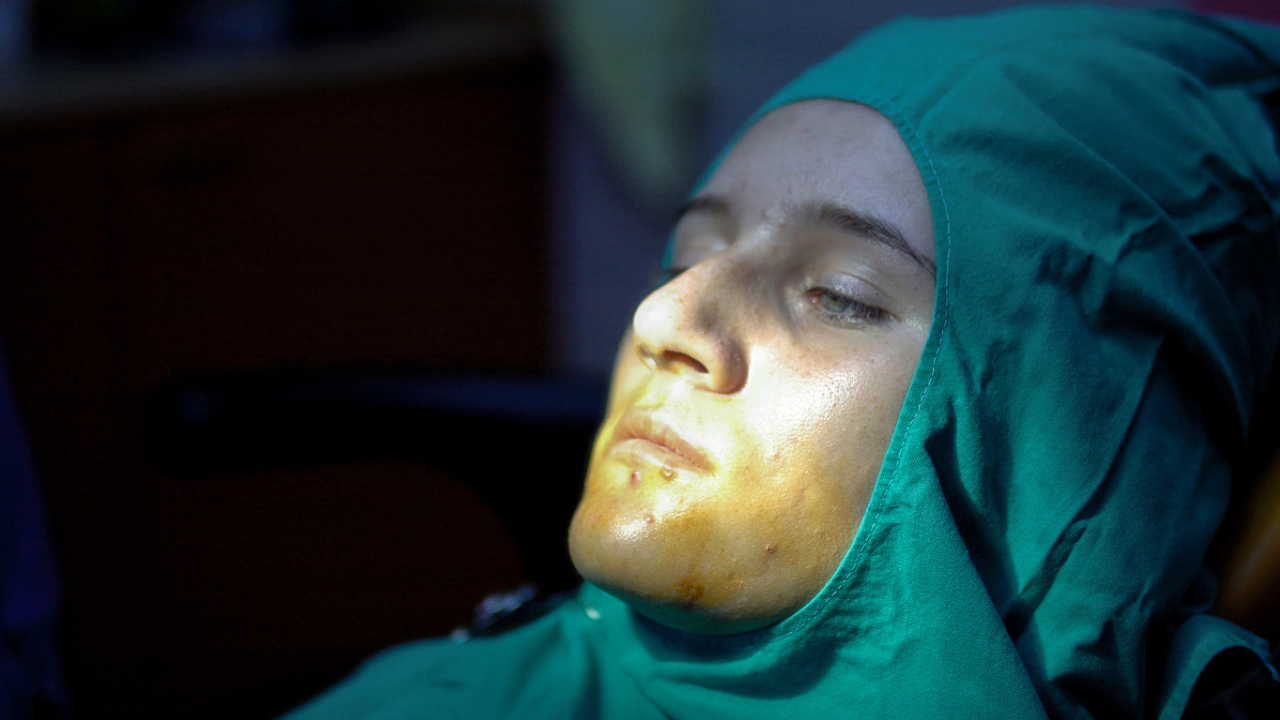
Addressing the Most Complex Facial Injuries
The procedure is intended for patients who have suffered severe facial damage due to:
- Extensive burns
- Traumatic injuries
- Congenital or complex medical conditions where conventional reconstruction cannot fully restore function or appearance
Face transplantation is among the most sophisticated surgeries in modern medicine, involving not just skin replacement but the integration of blood vessels, nerves, muscles, and bone requiring years of planning and specialised training.
Building Surgical Readiness
As part of its preparation, AIIMS conducted an intensive cadaveric workshop from February 11 to 15 at its Burns and Plastic Surgery Block. During this training phase, facial tissue was retrieved from a brain-dead donor to help teams simulate the intricate procedure and refine coordination across surgical, anaesthesia, and transplant units.
Such rehearsals are essential because face transplantation is not a single surgery but a carefully choreographed medical effort involving dozens of specialists working simultaneously.
Leadership and Global Collaboration
The programme is being led by Dr Maneesh Singhal along with the institute’s plastic surgery team, bringing together expertise in microsurgery, transplantation science, and burn care.
Academic support is being provided by Dr Indranil Sinha of Harvard Medical School, reflecting the global collaboration often required to establish such high-complexity medical programmes.
A Step Forward Even Before the First Surgery
India’s first face transplant has not yet been performed. However, the establishment of a structured programme signals that the country is entering a new phase of reconstructive medicine one that moves beyond survival toward restoring dignity, expression, and social reintegration.
For patients waiting with life-altering facial injuries, this initiative represents more than a clinical advancement. It offers the possibility that medicine can one day give back not just function, but identity itself.