In a landmark move to reshape the future of urban growth in the Mumbai Metropolitan Region, the Government of Maharashtra has approved a comprehensive land acquisition and allotment policy for the development of Third Mumbai. The decision signals a strategic push to create a new, planned urban ecosystem aimed at easing pressure on existing city infrastructure while unlocking long-term economic potential.
Chief Minister Devendra Fadnavis announced that approximately 200 square kilometres of land have been handed over to the Mumbai Metropolitan Region Development Authority (MMRDA), which will spearhead the planning, infrastructure rollout, and phased development of the new city.
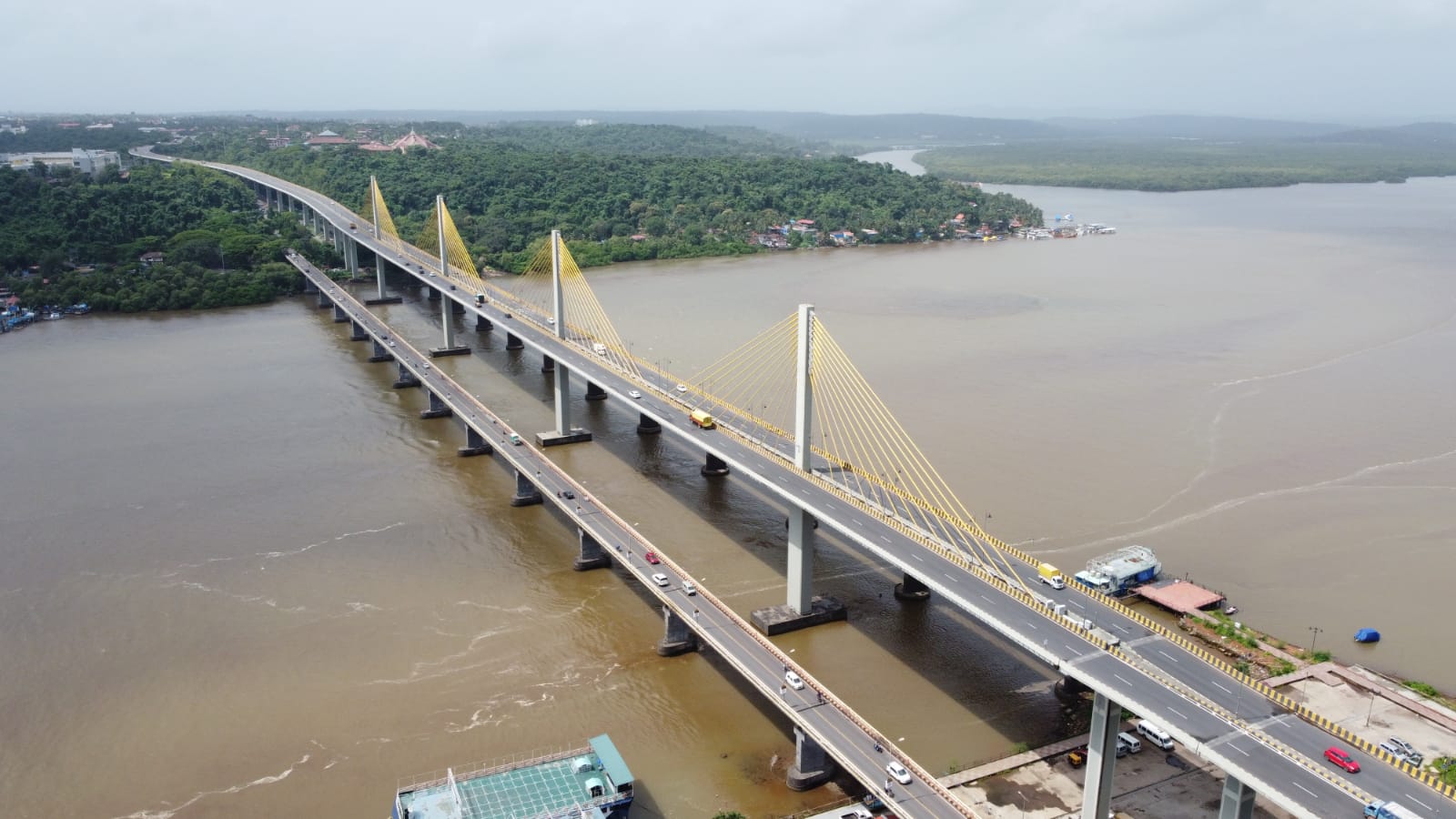
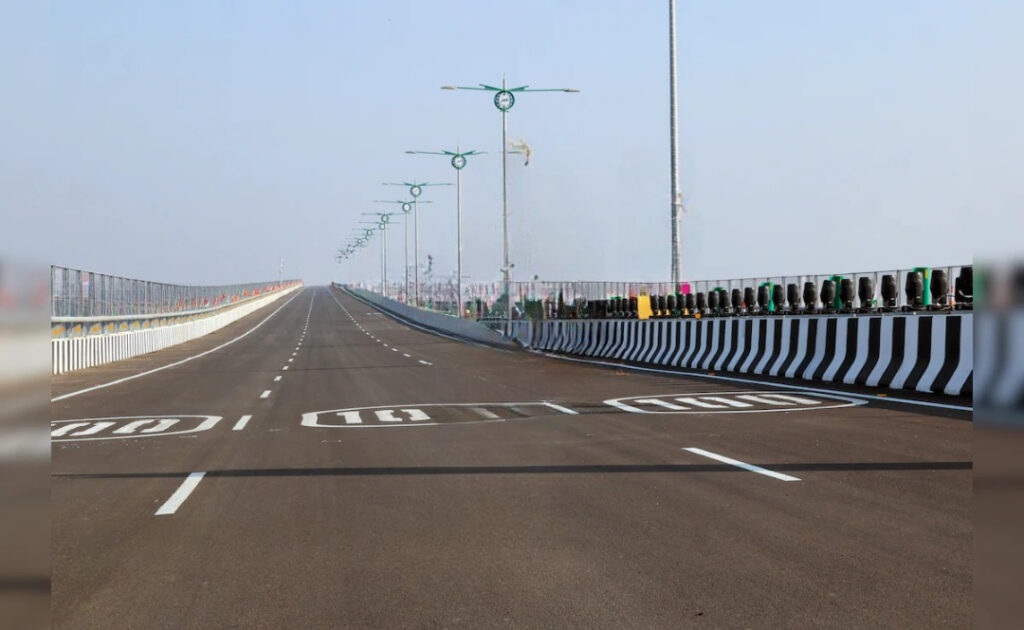
The upcoming urban cluster will be strategically located near the Mumbai Trans Harbour Link, dramatically improving connectivity between Mumbai and Navi Mumbai. This infrastructure-led positioning is expected to transform the region into a high-growth corridor supported by seamless road networks, port access, and proximity to emerging logistics and airport zones.
Urban planners see this as a shift from reactive expansion to proactive city-building. Unlike earlier growth patterns driven by congestion and land scarcity, this initiative enables authorities to design a city with integrated transport, commercial districts, residential zones, and social infrastructure from the outset.
The project is also expected to create significant opportunities for investment in commercial real estate, global capability centres, data infrastructure, and mixed-use developments. With large, contiguous land parcels available, planners can implement modern zoning principles, sustainability frameworks, and transit-oriented development models that align with global urban standards.
As Maharashtra prepares for the next wave of economic expansion, Third Mumbai is poised to emerge not merely as an extension of the metropolis, but as a new-generation city designed to absorb future population, enterprise, and innovation.