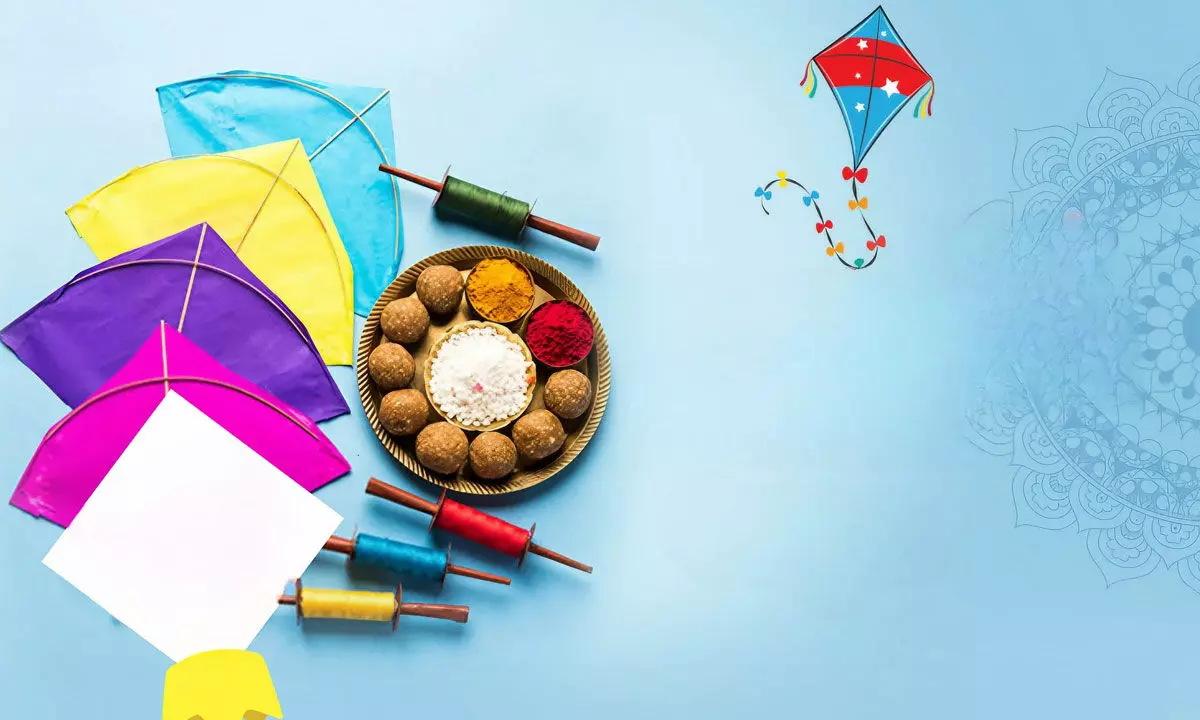
Makar Sankranti is more than a festival it is a moment of transition, gratitude, and hope. Celebrated across India in mid-January every year, this auspicious day marks the sun’s movement into the zodiac sign Makara (Capricorn). In simple terms, it signifies the end of longer nights and the beginning of brighter days. Symbolically, it represents a shift from darkness to light, from stagnation to growth.
Unlike many Indian festivals that follow the lunar calendar, Makar Sankranti is governed by the solar calendar, making it one of the few festivals celebrated on nearly the same date every year. Farmers, families, and communities see this day as a reminder to pause, reflect, and welcome prosperity.
Why Do We Celebrate Makar Sankranti?
At its core, Makar Sankranti is a celebration of nature, especially the sun the primary source of life. Agriculturally, this period coincides with the harvesting of winter crops in many parts of India. After months of hard work in the fields, farmers finally reap the rewards of their labour. The festival, therefore, becomes a collective expression of gratitude for abundance and sustenance.
Spiritually, Makar Sankranti is believed to be highly auspicious. It is said that good deeds performed on this day such as charity, sharing food, or helping others bring long-lasting blessings. Ritual bathing in rivers, offering prayers to the sun, and donating grains or sweets are common practices that underline the values of humility and generosity.
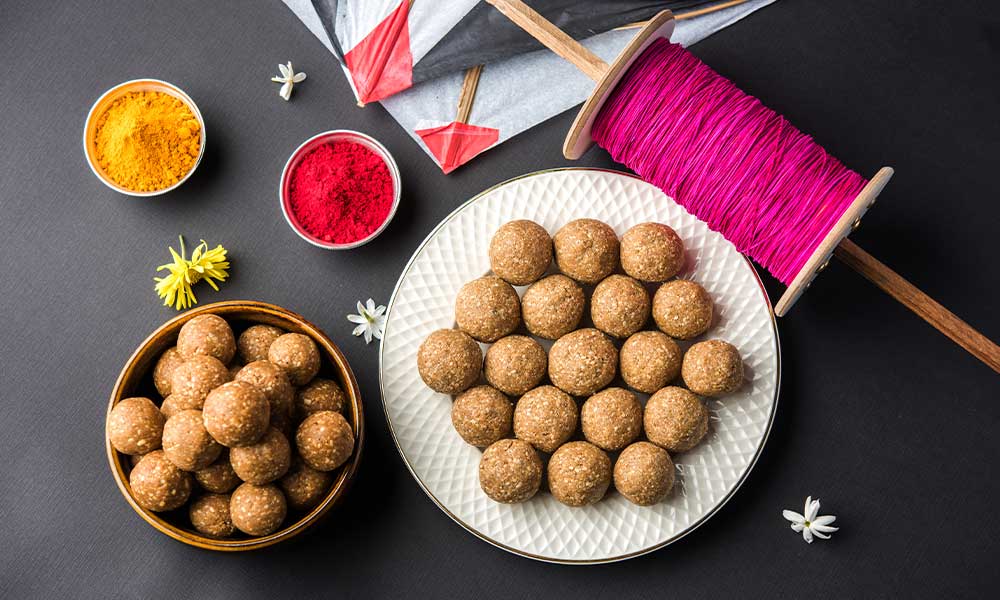
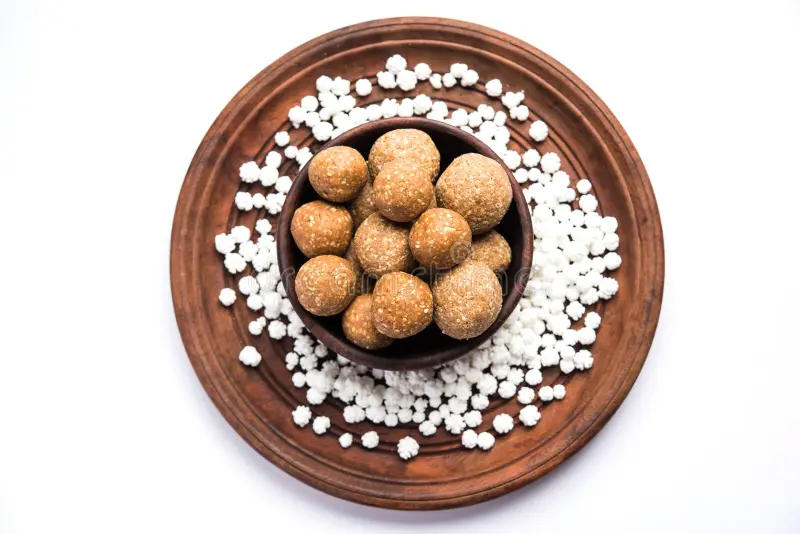
Culturally, the festival emphasises togetherness. The simple act of sharing til-gud (sesame and jaggery sweets) carries a beautiful message: “Let sweetness and warmth remain in our words and relationships.”
One Festival, Many Names: How India Celebrates Makar Sankranti
What makes Makar Sankranti truly special is its regional diversity. While the spirit remains the same, each part of India celebrates it in its own unique way.
In Maharashtra, the festival is synonymous with til-gud. People exchange sweets made of sesame seeds and jaggery, dress in black, and greet each other with warmth and laughter. Kite flying is a popular activity, filling the skies with colour and joy.
In Punjab and North India, the festival is celebrated as Lohri, usually a night before Makar Sankranti. Bonfires are lit, folk songs are sung, and families gather to celebrate harvest and fertility. Peanuts, revri, and popcorn are offered to the fire as symbols of gratitude.
In Tamil Nadu, Makar Sankranti is known as Pongal and is celebrated over four days. Freshly harvested rice is cooked with milk and jaggery and offered to the sun god. Homes are decorated with colourful kolams, and cattle are honoured for their role in farming.
In Andhra Pradesh and Telangana, the festival is also called Sankranti and is marked by elaborate rangolis, festive meals, and kite flying. It is a major cultural event that brings families together.
In Gujarat, Makar Sankranti is famous for its vibrant International Kite Festival. The sky becomes a canvas of countless kites, symbolising freedom, joy, and the triumph of light.
In Assam, the festival is celebrated as Magh Bihu, marking the end of the harvesting season. Community feasts and traditional games bring people closer, reinforcing bonds of unity.
The Emotion That Unites Us All
Despite its many names and customs, the emotion behind Makar Sankranti remains universal hope for better days, gratitude for what we have, and faith in new beginnings. Whether it is a farmer celebrating harvest, a child flying a kite, or neighbours sharing sweets, the festival reminds us that joy multiplies when shared.
In today’s fast-paced, urban lives from villages to cities like Navi Mumbai the essence of Makar Sankranti continues to hold meaning. It tells us to look up at the sky, feel the warmth of the sun, and remember that change, growth, and light are always possible.
Different traditions. One sun. One shared feeling of renewal.