
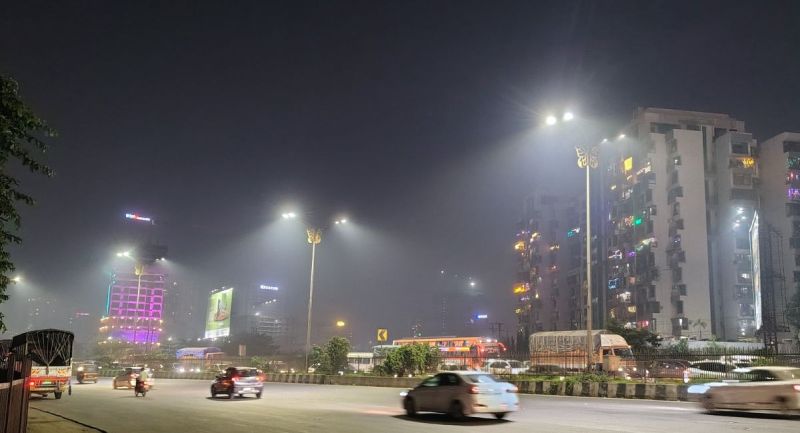
Navi Mumbai is often described as one of the safer urban regions in the Mumbai Metropolitan Area, yet perceptions of night-time safety vary widely across its nodes. While crime data offers one perspective, residents’ lived experiences reveal how urban design, policing, and activity patterns shape the feeling of security after dark.
Well-planned nodes such as Vashi, Nerul, Seawoods, and CBD Belapur are frequently perceived as safer at night. These areas benefit from wider roads, functional street lighting, mixed land use, and active commercial zones that remain busy late into the evening. Restaurants, medical stores, and transport hubs ensure a steady flow of people, which naturally discourages crime.
Railway stations and major transit corridors also play a key role. Areas with consistent last-mile connectivity. Autos, buses, and app-based cabs, tend to feel more secure, particularly for women and late-night workers. Regular police patrolling near stations and business districts further reinforces this sense of safety.
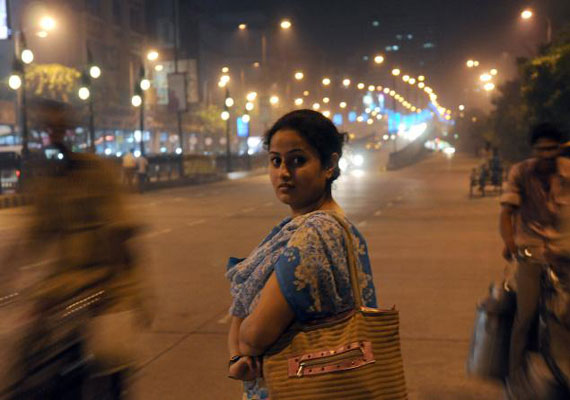
In contrast, rapidly developing nodes and peripheral areas often feel less secure at night, not necessarily due to higher crime rates, but because of poor lighting, isolated stretches, vacant plots, and ongoing construction. Limited public transport options after certain hours can intensify anxiety, especially for those returning home late.
Housing design also influences safety perceptions. Gated communities with security staff and controlled entry points provide reassurance, while older or poorly maintained societies may lack adequate lighting and surveillance. Importantly, community familiarity, knowing neighbours and local shopkeepers, often contributes as much to safety as formal policing.
Experts note that night-time safety is not only about law enforcement but also about urban planning. Pedestrian-friendly streets, active public spaces, and responsive civic infrastructure make cities safer after dark.
As Navi Mumbai continues to grow, ensuring night-time safety across all nodes will require more than patrols, It will demand thoughtful planning that prioritises visibility, accessibility, and community presence, so that safety is felt, not just promised.