
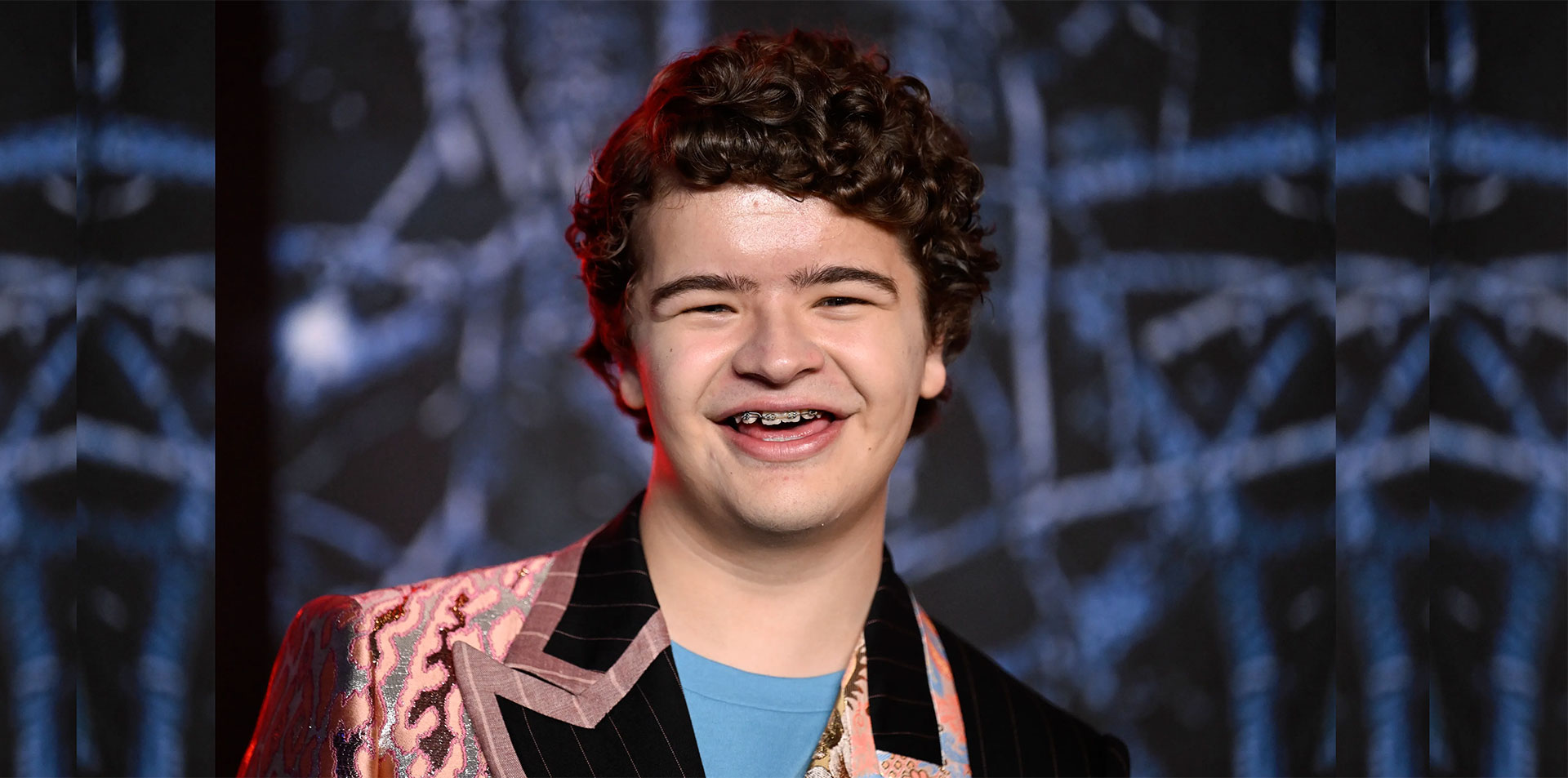
Actor Gaten Matarazzo, best known for his role as Dustin Henderson in the globally acclaimed series Stranger Things, has brought rare visibility to Cleidocranial Dysplasia (CCD), a genetic condition that affects bone and dental development. By openly sharing his experience, Matarazzo has helped spark public conversation around a disorder that is uncommon, lifelong, and often misunderstood.
Cleidocranial Dysplasia is a rare inherited condition primarily characterised by delayed closure of skull bones, underdeveloped or absent collarbones, short stature, and distinctive dental abnormalities such as delayed eruption of permanent teeth or extra teeth. Caused most commonly by mutations in the RUNX2 gene, CCD affects skeletal development from birth, yet its presentation can vary significantly from person to person. In mild cases, symptoms may appear cosmetic or isolated, allowing the condition to go undiagnosed well into adolescence or adulthood.
This variability presents a particular challenge for clinicians. Because CCD symptoms often span multiple systems orthopaedics, dentistry, craniofacial development and genetics patients may be seen by different specialists without a unifying diagnosis. Fragmented care pathways and limited familiarity with rare disorders mean CCD can easily slip through routine health systems, delaying appropriate management and genetic counselling.
Early diagnosis is crucial. While there is no cure for CCD, timely interventions especially coordinated dental and orthodontic care can significantly improve function, appearance and quality of life. Additionally, genetic confirmation enables families to understand inheritance patterns and make informed decisions.

Matarazzo’s openness has helped humanise CCD beyond medical textbooks, reminding both the public and healthcare professionals of the importance of listening closely to patients and looking beyond isolated symptoms. His visibility underscores a broader truth: rare genetic disorders may be uncommon individually, but collectively they affect millions worldwide. Improved awareness, interdisciplinary collaboration and earlier recognition are essential to ensuring that conditions like Cleidocranial Dysplasia are identified, understood and managed with the care they deserve.