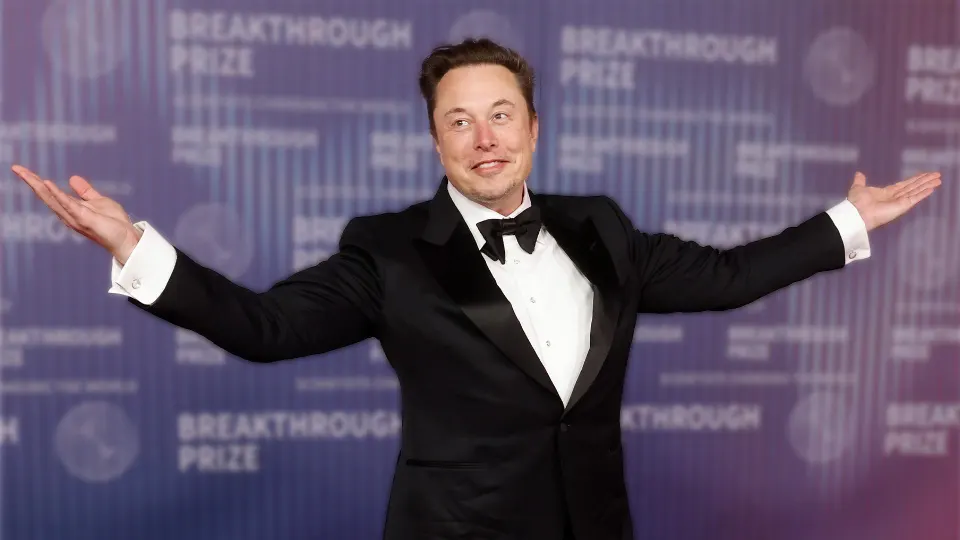
Tesla CEO Elon Musk has won the reinstatement of his controversial $140 billion pay package, marking a major legal and corporate governance victory for the world’s richest entrepreneur. The decision comes after months of uncertainty surrounding the compensation deal, which had been challenged over concerns related to fairness, transparency, and board oversight.
Originally approved by Tesla shareholders in 2018, the pay package was structured as a performance-based deal tied to ambitious market value and operational milestones. As Tesla’s valuation surged over the years, the package grew into the largest executive compensation plan in corporate history. However, critics argued that the process lacked adequate independence and that Musk exerted excessive influence over the board.
With the reinstatement, the court acknowledged shareholder approval and the extraordinary growth Tesla achieved during the period in question. Supporters of Musk view the ruling as validation of a pay structure that rewards long-term vision, risk-taking, and transformative leadership. They argue that Tesla’s rise as a global electric vehicle leader justifies the scale of the compensation.
Opponents, however, warn that the decision raises broader questions about corporate governance, executive accountability, and income inequality. Proxy advisory firms and governance experts have reiterated concerns about concentrated power and precedent-setting executive rewards.
The ruling has significant implications for Tesla’s future, potentially stabilising leadership at a time when the company faces intensifying competition in the global EV market. For Musk, the verdict reinforces his influence across Tesla and Silicon Valley at large, while reigniting debate over how much is too much when it comes to executive pay.