Is Now the Right Time to Invest in Properties Near Navi Mumbai and Jewar?
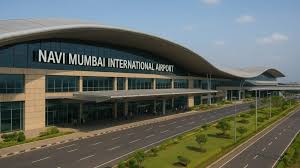
The inauguration of Navi Mumbai International Airport (NMIA) on October 8 and the upcoming launch of Noida International Airport (NIA) in Jewar, Uttar Pradesh, have sparked a new wave of excitement across India’s real estate sector. These two mega infrastructure projects near the national capital (Delhi) and the financial capital (Mumbai) are not just transportation milestones; they are turning into major real estate goldmines.
Why Airport Proximity Means Big Returns
Real estate around airports has historically shown faster appreciation in value due to enhanced connectivity, rapid infrastructure development, and an influx of businesses and residential buyers. The ecosystem that grows around airports logistics hubs, hospitality, retail, office spaces adds enormous value to nearby properties.
According to industry estimates, over 1.2 lakh apartments have already been built in the areas surrounding NMIA and NIA since 2022, signaling a confident push by developers and sustained buyer interest.
Navi Mumbai: The Next Real Estate Hotspot
With NMIA now operational, areas like Ulwe, Panvel, and Dronagiri are seeing significant demand spikes. Infrastructure projects such as the Mumbai Trans Harbour Link (MTHL) and metro lines connecting Navi Mumbai to key business districts are adding further fuel to the boom.
Property prices in Ulwe alone have appreciated by 20–30% over the past year, and experts predict a steady upward trend as airport-linked development accelerates.
Jewar, Noida: Affordable Today, Premium Tomorrow
Noida International Airport is positioning Jewar and its surrounding areas like Yamuna Expressway, Greater Noida West, and Sector 150 as the next big investment frontier. With land parcels still relatively affordable compared to central Noida or Gurgaon, early investors are poised to gain the most.
Several state-backed infrastructure projects including industrial corridors, logistics parks, and expressways make this region attractive not just for residential buyers, but for commercial and industrial investors as well.
Is This the Right Time to Invest?
Absolutely but timing and research are key. Here’s why:
- High appreciation potential: Airport development leads to long-term property value growth.
- Strong rental yields: Demand for housing by airport staff, logistics workers, and transient professionals will drive rental demand.
- Government support: Both projects have strong government backing and aligned infrastructure planning.
However, investors should be cautious of
- Overpriced speculative plots
- Lack of clear title deeds
- Delays in surrounding infrastructure execution
Final Word
With both Navi Mumbai and Jewar airports acting as catalysts, now is a strategic time to enter these real estate markets. For those with a long-term view, investing near these mega airports could yield superior returns, much like past booms seen near Bengaluru’s Kempegowda Airport or Hyderabad’s Rajiv Gandhi International Airport.

The runway to wealth is open but only for those who board early and wisely.
Yes, I can pull together pricing trends, investment tips, and a comparative chart between the Navi Mumbai (NMIA) and Jewar (NIA) regions. Here’s how that could look you can adapt this for your blog or website.
Investment Tips for These Airport‑Driven Regions
Go for Plots or Land Early: As seen in Jewar, land and plot prices have shown far higher appreciation compared to built apartments. Early land buyers often gain the most.
Check Legal Clearances: Make sure the land is permitted, has proper title, is within notified zones (like YEIDA for Jewar), and is not plagued by encroachments or legal disputes.
Focus on Connectivity: Proximity to major roads, metro/rail links, expressways, and good access to commercial hubs make a big difference in appreciation.
Choose Emerging Micro‑Markets: Localities close but not right smack next to the airport may still be more affordable and have decent upside. For instance, parts of Ulwe, Panvel, or peripheral sectors of Jewar.
Balance Risk and Time Horizon: These are long‑term bets. Infrastructure roll‑out (roads, metro, services) may lag. Investors willing to hold 3‑7 years could benefit more.
Diversify Within the Region: Spread risk across residential, plots, or industrial/commercial parcels where possible.