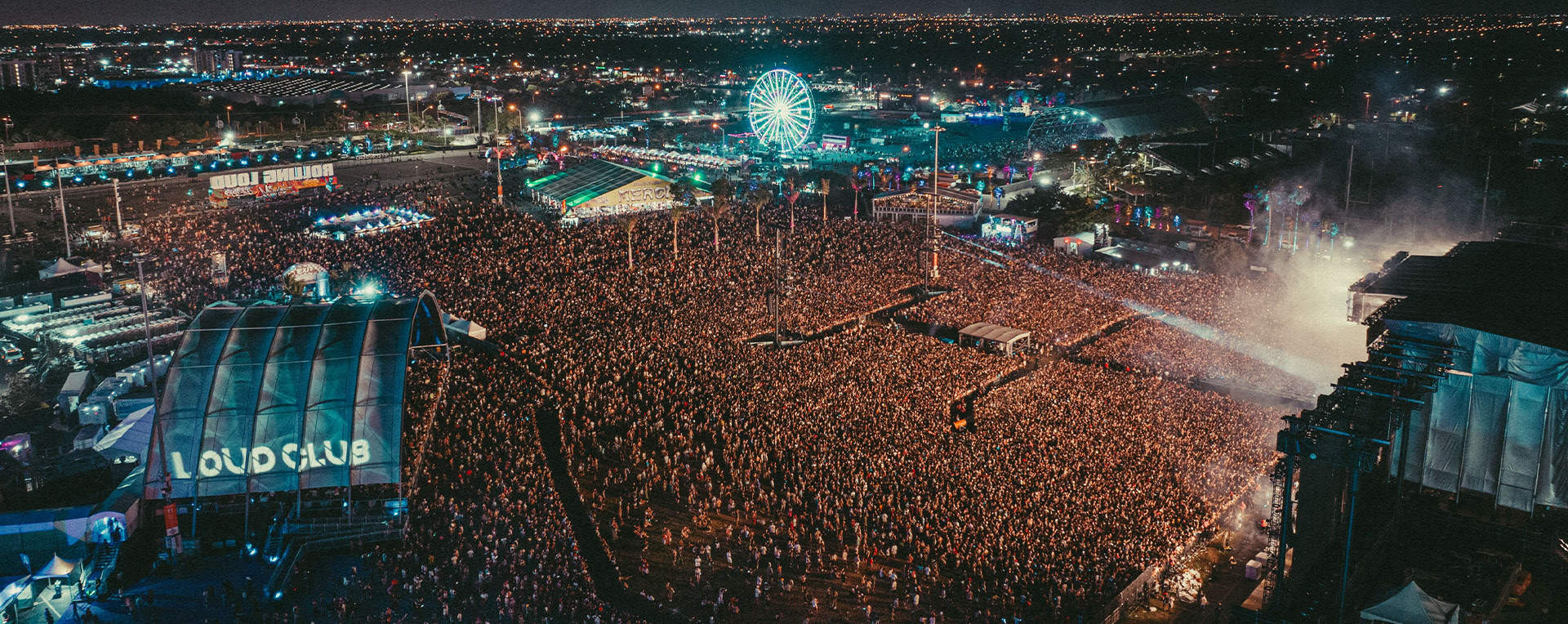
The festival will be held at Loud Park, Kharghar (Kharghar, Navi Mumbai) on 22-23 November. (BW TRAVEL) The choice of this location is strategic: the venue offers expansive grounds and accessibility via the newly operational metro line. (blog.agentbazar.in)
Local venues and logistics are gearing up: transport links, staging infrastructure and hospitality will have to handle a large influx of attendees. For example, commentary on India’s live-music economy points out that infrastructure gaps (logistics, transport, regulation) are common issues to address. (Deccan Herald)

This event pressures local suppliers, security, hospitality and venue services to raise their standards, likely leaving a legacy of improved event-infrastructure in Navi Mumbai.
The line-up is significant: global acts like Wiz Khalifa and Central Cee alongside major Indian names such as Karan Aujla. (The Economic Times)
This mix reflects two things: first, international artists recognizing India as a viable live-destination; second, Indian hip-hop and regional talent stepping onto a global stage. For local artists and the music‐ecosystem, this kind of exposure can expand networks, raise production values, and encourage future global collaborations.
For the audience and city, it signals that Navi Mumbai is being seen seriously by major cultural producers and promoters.

Economically, the festival promises substantial impact: influx of attendees (domestic & international), heightened hotel occupancy, food & beverage uptick, transport and local retail surge. Travel and tourism commentary notes that such large-scale festivals act as catalysts for music tourism and local infrastructure investment. (blog.agentbazar.in)
Beyond direct revenue, there are longer-term gains: local businesses (vendors, transport services, hospitality) gain experience and capacity for large events. Also, the city’s brand gets uplifted as a “cultural hub” which can attract future events, investment and creative industry growth.
On the flip side, the city must manage associated challenges: traffic, security, environmental loads, accommodation. If successful, the benefits may far outweigh those costs.