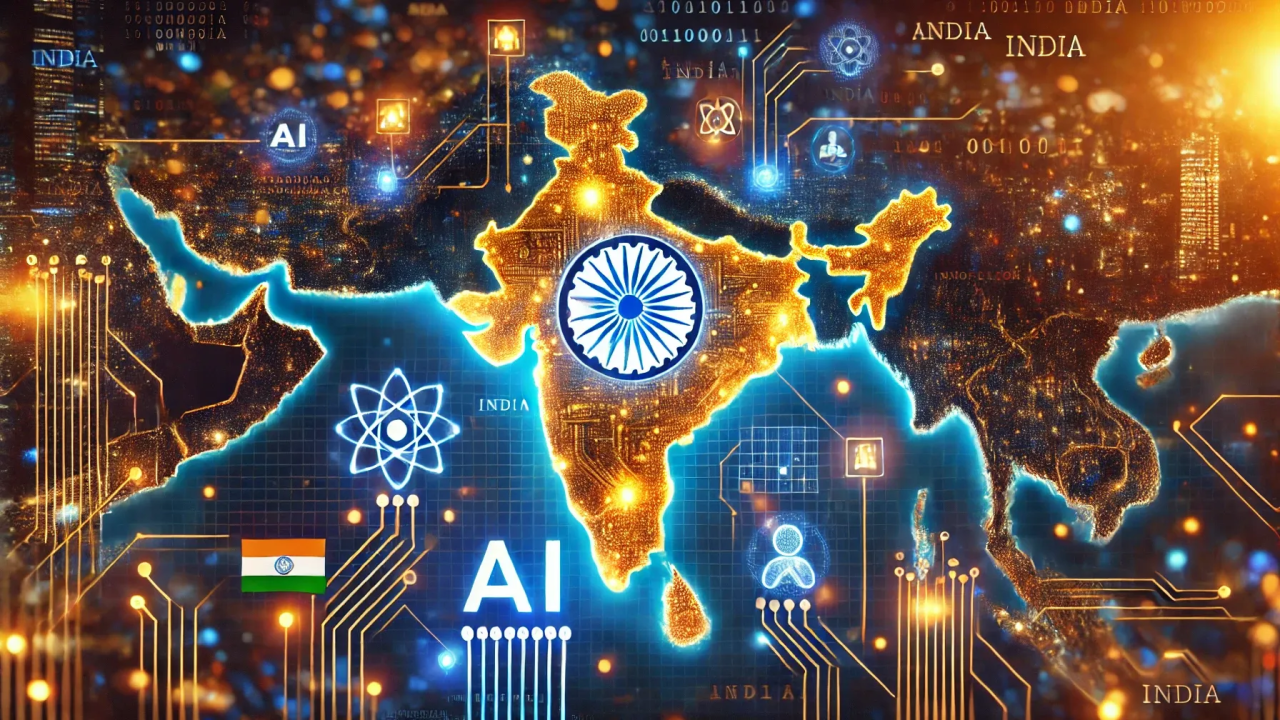
The India AI Impact Summit 2026 marked a defining moment in how artificial intelligence is being framed globally not merely as a driver of automation or profit, but as an instrument for inclusive development and sustainability.
Held in New Delhi from 16–20 February 2026, the summit brought together delegations from over 100 countries, global tech leaders, startups, and policymakers to showcase AI solutions across sectors and geographies.
The summit’s guiding theme, rooted in the Sanskrit idea of “welfare for all”, emphasized aligning AI innovation with human progress, environmental responsibility, and economic inclusion.

1. From Algorithms to Outcomes: AI as Public Infrastructure
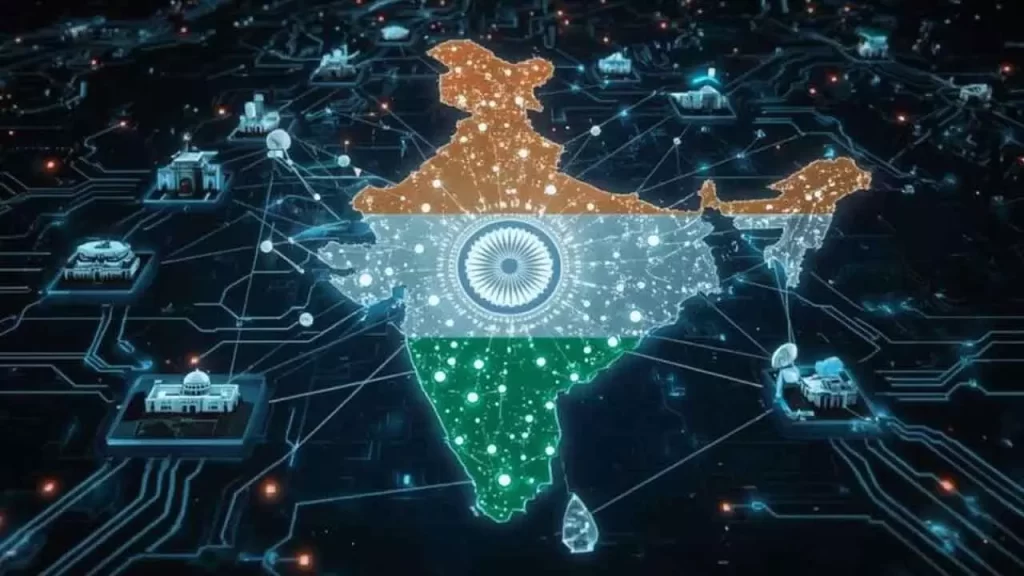
India’s approach positions AI similarly to digital public goods like identity or payments scalable systems meant to solve population-scale challenges.
- The government highlighted building an ecosystem spanning semiconductors, secure data centers, and startups to create affordable and scalable AI solutions.
- Seven working groups focused on People, Planet, and Progress, translating AI into real-world applications such as social empowerment, trusted AI, and resilience.
- The domestic AI market is projected to exceed $17 billion by 2027, driven by digitisation and talent capacity.
Implication: AI is being treated as national infrastructure like electricity or highways rather than a niche technology sector.
2. Global Collaboration Signals a Shift Toward “AI Diplomacy”
The summit evolved into a platform for international cooperation:
- Participation included heads of state, UN leadership, and CEOs from major AI companies, reflecting its geopolitical importance.
- Countries such as Kenya sought partnerships with India in AI development, semiconductors, and critical minerals, highlighting South-South collaboration.
- Thirteen country pavilions showcased cross-border research and deployment partnerships.
Implication: AI is becoming a new axis of global cooperation similar to climate diplomacy or trade alliances.
3. Indigenous AI Models: Local Innovation for Local Problems
A major focus was building sovereign, multilingual AI tailored to India’s diversity.
- Indian labs unveiled large language models and multimodal systems supporting multiple Indian languages and use cases such as speech recognition and vision tools.
- Government-backed initiatives launched foundational model projects spanning agriculture, healthcare, finance, and governance.
- A new “Swadeshi AI stack” initiative aims to provide citizen-focused services in regional languages using locally hosted infrastructure.
Implication: AI is moving from English-centric global models to culturally contextual systems—critical for equitable digital access.
4. Transforming Industry: Real-World Use Cases Emerging
a. Agriculture: Precision Farming and Food Security
AI-enabled disease detection and advisory tools help farmers diagnose crop problems in real time, reducing pesticide use and supporting sustainable agriculture.
AI query-response systems trained on millions of farmer interactions can deliver faster, more consistent advisory services.
Industry Shift: Farming transitions from intuition-driven to data-driven sustainability.
b. Healthcare: AI Augmenting Human Capacity
AI research groups in India are already applying machine learning to challenges like disease tracking, pollution analysis, and medical insights for social good.
Industry Shift: AI becomes a force multiplier for scarce healthcare resources rather than replacing professionals.
c. Circular Economy and Environmental Management
AI-powered systems are being explored to track and manage e-waste through smart classification, blockchain traceability, and citizen participation platforms.
Industry Shift: Waste management evolves into a traceable, data-driven circular economy.

5. Massive Investment and Skilling Push to Build an AI-Ready Society
Global technology leaders announced significant commitments to India’s AI ecosystem, including infrastructure and research investments and large-scale workforce training initiatives.
Education programs tied to innovation labs aim to engage millions of students in AI learning nationwide.
A record 250,000+ students even pledged to use AI responsibly, highlighting the summit’s emphasis on ethical adoption.
Implication: The future AI workforce is being cultivated at scale, embedding ethics alongside capability.
6. AI for Sustainable Human Nature Growth: A New Development Model
Unlike earlier tech revolutions focused purely on productivity, the summit repeatedly framed AI as a sustainability enabler:
- Sessions stressed building AI that “works for people,” addressing real-world challenges rather than abstract innovation.
- Dedicated sustainability and sectoral pavilions showcased solutions across agriculture, climate, governance, and mobility.
Emerging Model:
AI is not just accelerating economies it is being designed to rebalance human development with environmental stewardship.

7. Challenges and Critical Voices
Despite optimism, some observers cautioned about governance risks and implementation gaps, underscoring the need for ethical safeguards and responsible deployment.
Public discussions online also reflected mixed on-ground experiences from logistical challenges to excitement about indigenous innovations.
“Everything was a mess… it took at least an hour to get inside,” one attendee wrote, highlighting operational hurdles at scale.
Another attendee praised “Made-in-India AI innovations that completely impressed me,” pointing to healthcare robots and localized AI tools.
Lesson: Technological ambition must be matched by institutional readiness.
Conclusion: India’s Attempt to Redefine the Purpose of AI
The India AI Impact Summit signals a philosophical shift in the global AI narrative:
- From automation → augmentation
- From scale → inclusion
- From growth → sustainable growth
India is positioning AI as a tool to solve developmental challenges at population scale agriculture resilience, multilingual access, circular economy systems, and workforce transformation.
If the industrial revolution mechanized labour, and the digital revolution connected markets, this emerging AI phase at least in India’s vision aims to harmonize technology, humanity, and nature into a shared growth model.