
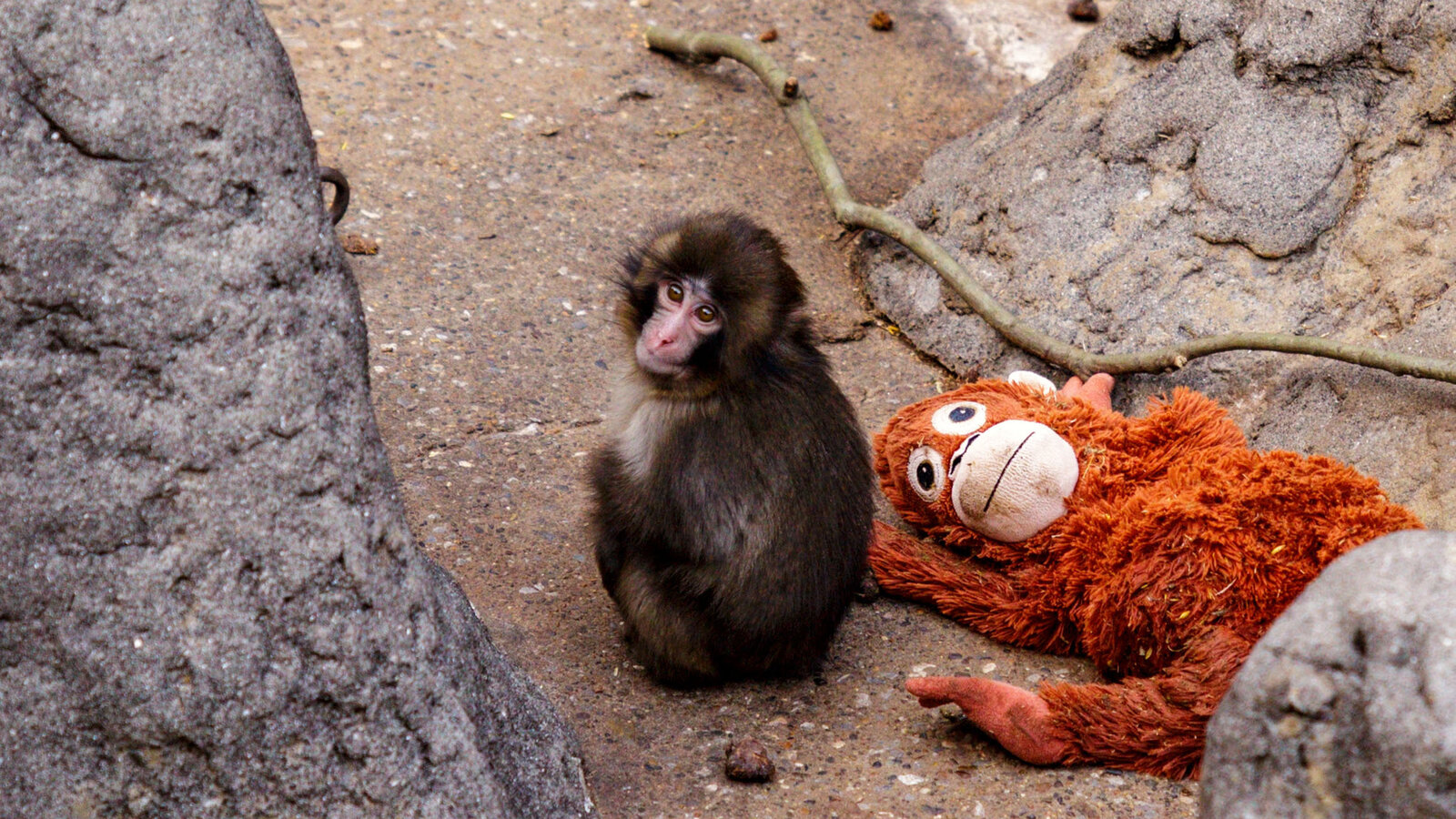
In today’s attention economy, even animals are being recast as “content creators.”
A baby monkey clinging to a caretaker. A penguin waddling into frame at the perfect moment. These clips travel across YouTube, Instagram, and TikTok, gathering millions of views, comments, and shares within hours.
But the phenomenon is not really about animals. It is about how humans design, distribute, and emotionally consume content.
1. The Illusion of the Animal “Influencer”
Animals are framed online as if they possess intent, personality arcs, and even branding.
Captions assign them motivations:
- “He loves helping!”
- “She’s being naughty today!”
- “Best dad ever!”
This anthropomorphism projecting human traits onto animals makes content relatable and shareable. Viewers are not just watching wildlife; they are watching a story engineered to mirror human emotions: innocence, humor, care, mischief.
The animal becomes a narrative device.
2. Why Baby Animals Go Viral Faster Than Any Human Creator
There are structural reasons why baby monkeys, penguins, and similar subjects dominate feeds:
a. Evolutionary Response
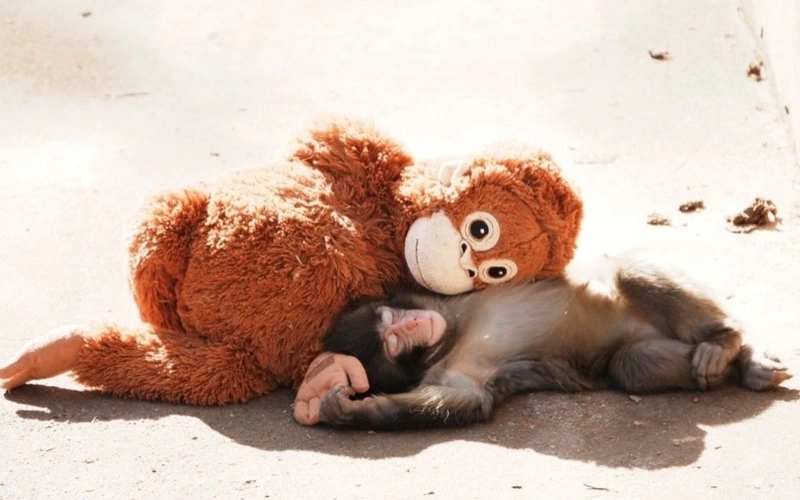
Humans are neurologically wired to respond to infant-like features large eyes, small bodies, uncertain movement. These trigger caregiving instincts, even across species.
b. Algorithmic Compatibility
Short, emotionally clear clips perform well in recommendation systems:
- No language barrier
- Immediate emotional payoff
- Repeat-watch value
- Global relatability
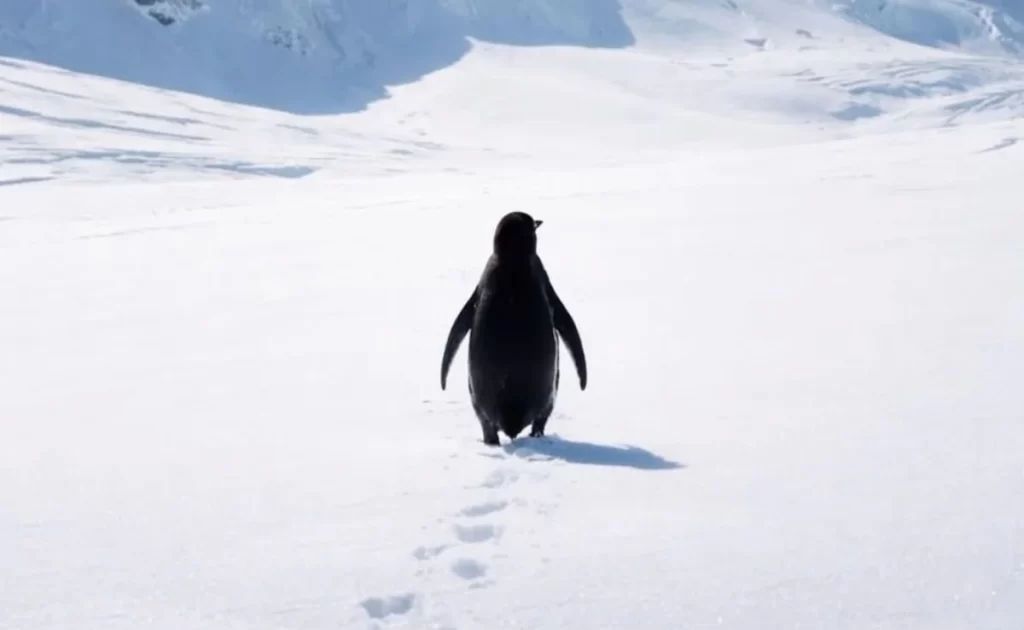
Unlike human creators, animals require no cultural context. A penguin slipping on ice is universally understood.
c. Ethical Distance (Perceived, Not Real)
Audiences assume animals are “natural” performers, which reduces skepticism about staging or manipulation. This creates frictionless engagement.
3. The Hidden Production Behind “Spontaneous” Moments
Many viral animal videos are not accidental slices of life. They are:
- Carefully framed environments
- Repeated actions captured across multiple takes
- Edited for comedic timing
- Sometimes encouraged through food cues or training
The animal appears to be creating content. In reality, humans are producing it.
This inversion where the subject looks like the author is central to why such videos feel magical.

4. The Ethics Question the Internet Rarely Asks
As animal-centered content scales into monetized ecosystems, uncomfortable questions arise:
| Question | Why It Matters |
|---|---|
| Are animals being handled for welfare or performance? | Repetition and staging can induce stress. |
| Does virality encourage replication? | Demand can create exploitative supply chains. |
| Who benefits financially? | Animals generate revenue without protection frameworks. |
| What appears “cute” to us—what does it mean for them? | Human interpretation may ignore natural behavior. |
Unlike child actors, there ensure no universal regulations governing animals featured in digital content.
5. The Attention Economy’s New Frontier: Non-Human Relatability
Animal content succeeds because it removes the complexity of human identity.
No politics. No language. No class, race, or ideology.
Animals become the ultimate neutral creators safe for brands, platforms, and global audiences.
In that sense, they represent the purest form of algorithm-friendly storytelling:
emotion without controversy.
6. What This Trend Says About Us, Not Them
The popularity of baby monkeys or penguins online reflects a deeper cultural shift:
- Audiences crave authenticity but consume highly mediated reality.
- We seek emotional relief from digital overload.
- Platforms reward simplicity over complexity.
Animals are not replacing human creators.
They are filling the emotional gaps left by hyper-produced human content.
7. From Wildlife to “Content Assets”: A Responsibility Moment
As animals increasingly appear in monetized storytelling ecosystems, the conversation must evolve from:
“Is this cute?”
to
“What systems made this possible?”
Because in the digital age, even innocence can be industrialized.
Conclusion
Animals are not becoming content creators.
Humans are becoming better at turning life any life into content.
And how we choose to engage with that content will shape not only media ethics, but our relationship with the natural world itself.