
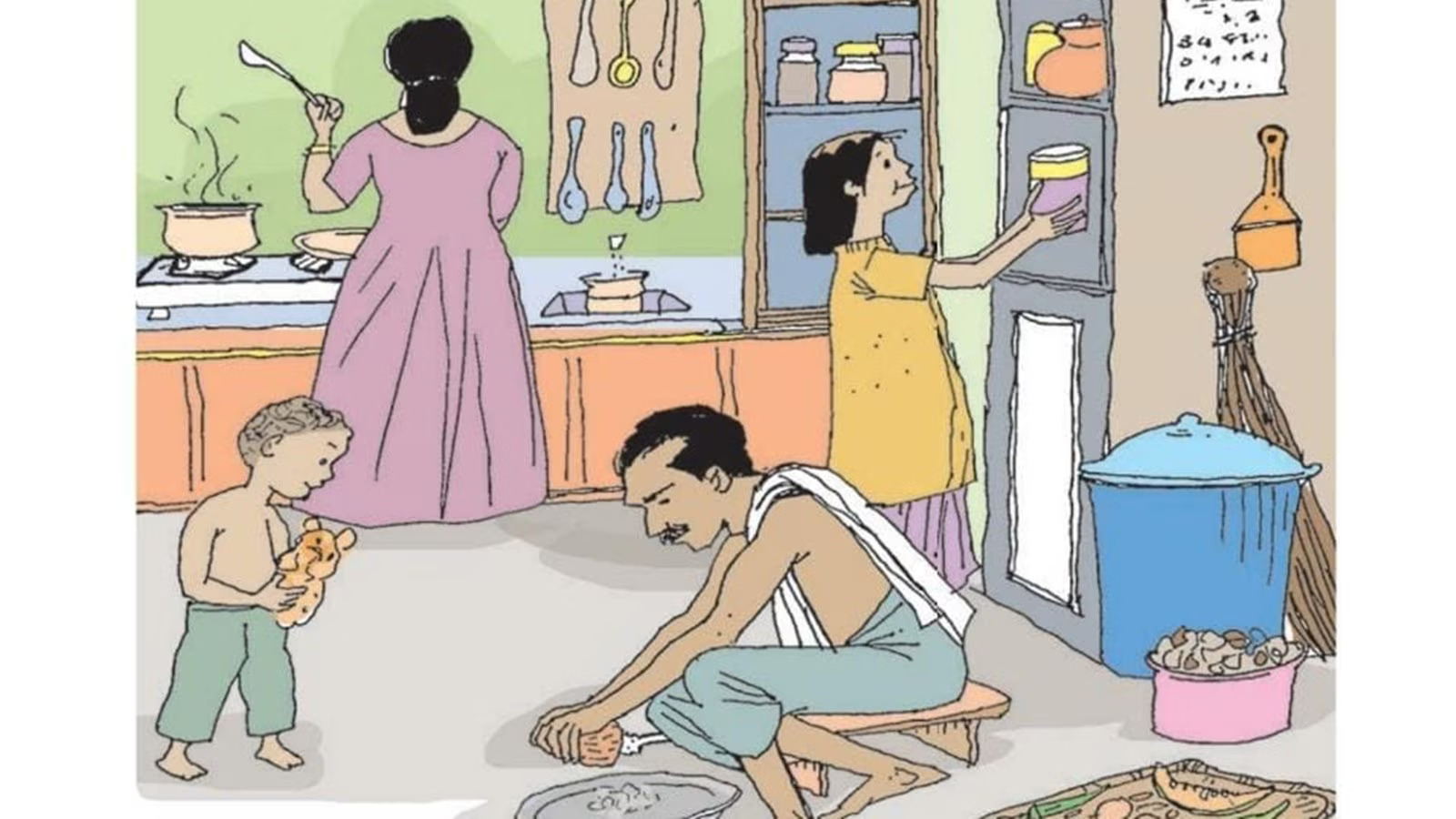
One picture in a textbook can change how an entire generation thinks.
In Kerala, the introduction of gender-neutral visuals in school textbooks showing fathers cooking, mothers working, and responsibilities shared is more than a curriculum update. It is a cultural reset.
For decades, children absorbed an unspoken visual script from their earliest learning materials.
Mother in the kitchen. Father at work.
Daughter assisting at home. Son playing outside.
These were not lessons written in words, yet they were among the most powerful lessons children received. Textbooks did not merely educate; they quietly defined roles, aspirations, and boundaries long before society began openly questioning them.
Now imagine a child opening a book and seeing a father preparing dinner while the mother returns from work. Imagine that image repeated across subjects, grades, and years until it feels ordinary. That is how mindsets change: not through slogans, but through normalization.
Early schooling does more than teach literacy and numeracy. It shapes belief systems.
If boys grow up seeing caregiving as shared responsibility, they internalize partnership.
If girls grow up seeing leadership and independence represented as routine, they internalize ambition.
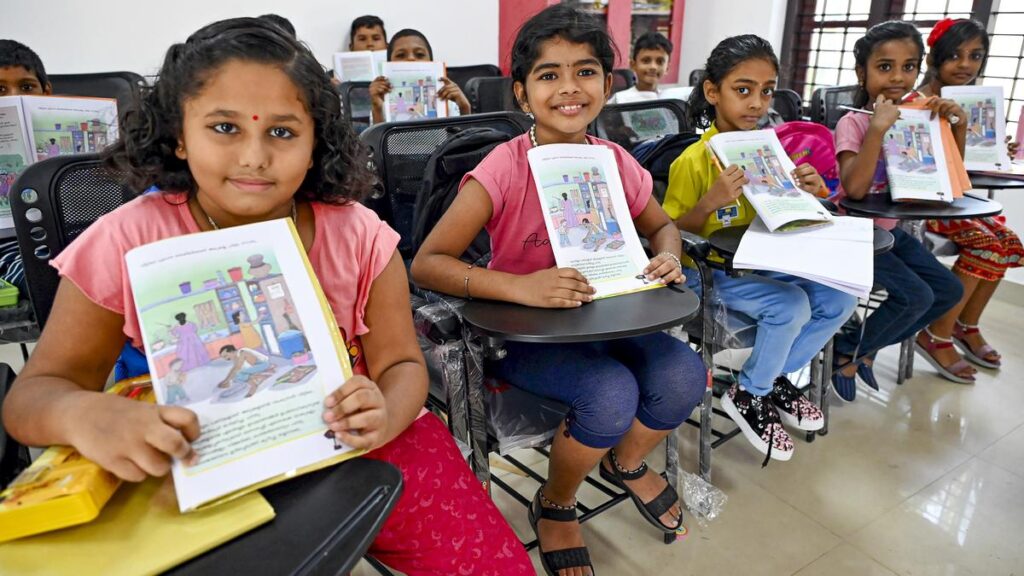
We often measure educational reform through policy shifts, technology adoption, or infrastructure investment. Yet one of the most transformative reforms may be the most understated: representation inside learning materials. A single illustration in a textbook reaches every classroom, travels into every home, and sparks conversations at countless dinner tables.
This is not about ideology. It is about imagination about expanding what children believe is possible for themselves and for one another.
The stories and images we place before young minds today quietly design the society we will inhabit tomorrow.