Most Polluted Indian Cities and How to Celebrate a Green Diwali This Year
As India prepares to celebrate Diwali, the festival of lights, there is growing concern about air pollution levels, especially in some of the country’s most polluted cities. Diwali, traditionally marked by fireworks and festivities, often leads to a sharp increase in air pollution, worsening health risks for millions.
Which Indian Cities Are the Most Polluted?
According to recent data from the Central Pollution Control Board (CPCB) and air quality monitoring agencies, the top polluted cities in India this year include:
Delhi
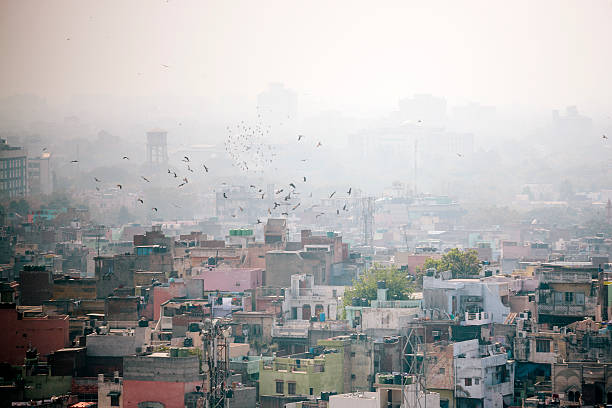
The capital often experiences hazardous air quality during the winter months, worsened by Diwali fireworks and crop burning in nearby states.
Gurgaon (Gurugram)
Part of the National Capital Region (NCR), it faces severe pollution spikes around festivals.
Kanpur
Known for industrial pollution and vehicular emissions.
Lucknow
Reports high levels of particulate matter (PM2.5) during winters.
Varanasi
Pollution from traffic, industries, and bursting crackers adds to poor air quality.
Agra and Ghaziabad
Frequently top the charts in pollution levels in North India.
These cities consistently report
PM2.5 and PM10 levels above the safe limits prescribed by the World Health Organization (WHO), which can cause respiratory and cardiovascular issues.
Diwali and Pollution: The Challenge
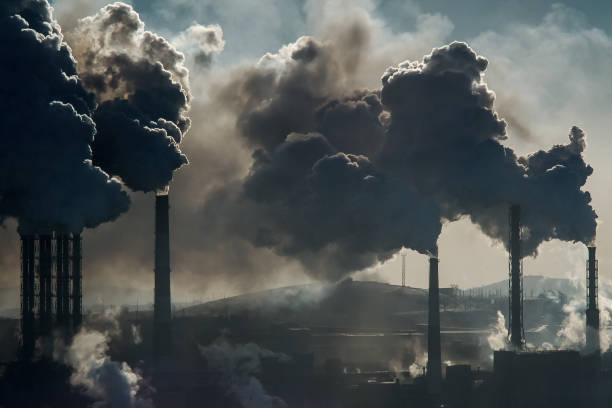
Diwali celebrations often involve lighting crackers, which release harmful chemicals and particulate matter into the air. This temporary surge in pollution aggravates existing health problems like asthma, bronchitis, and other respiratory diseases, and can be particularly dangerous for children, elderly, and people with pre-existing conditions.
How to Celebrate a Green Diwali?
To protect ourselves and the environment, here are some simple steps everyone can take to celebrate a Green Diwali.
- Say No to Crackers: Avoid bursting firecrackers, especially in cities already battling pollution.
- Use Eco-Friendly Diyas and Candles: Opt for natural, smokeless diyas made of clay and beeswax candles.
- Switch to LED Lights: Decorate homes with energy-efficient LED fairy lights instead of traditional bulbs.
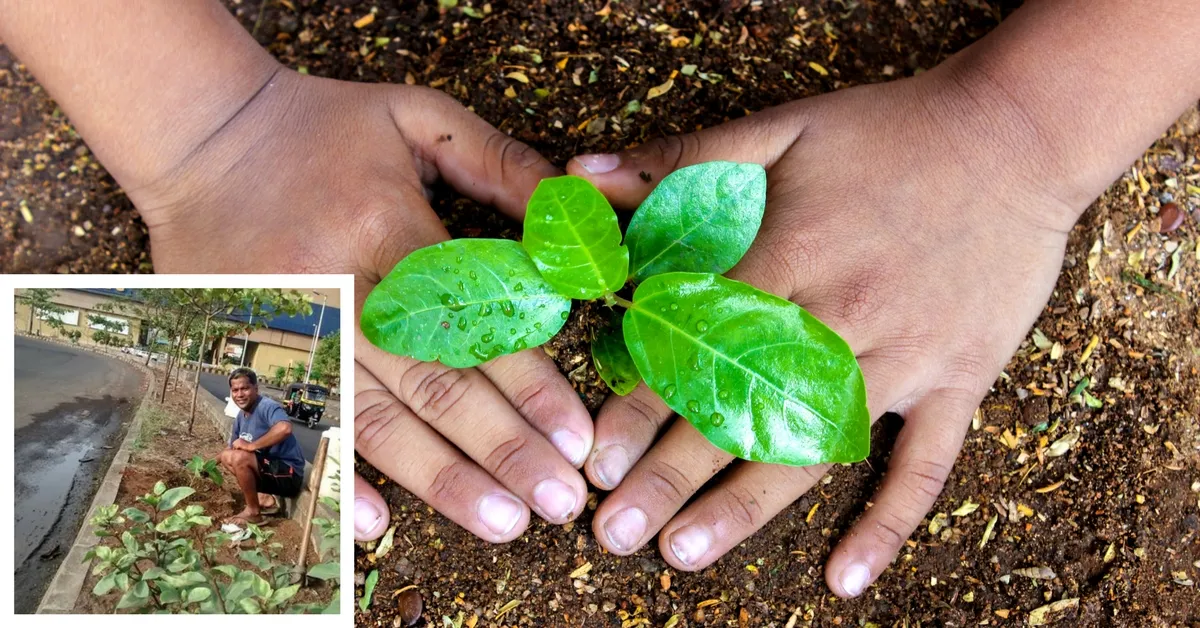
- Celebrate with Plants: Gift plants or create small indoor gardens to enhance oxygen and purify the air.
- Community Clean-Up Drives: Participate in or organize local clean-up efforts before and after the festival.
- Promote Digital Greetings: Send e-cards and wishes instead of paper cards to reduce waste.
- Raise Awareness: Use social media to encourage friends and family to celebrate responsibly.
Conclusion
While Diwali is a joyous festival symbolizing the triumph of light over darkness, it is crucial to celebrate in ways that do not harm our health or the environment. With many Indian cities already grappling with dangerous pollution levels, adopting green Diwali practices is a meaningful way to protect ourselves and future generations.