A storytelling-led review, seen through Hindi cinema and world cinema
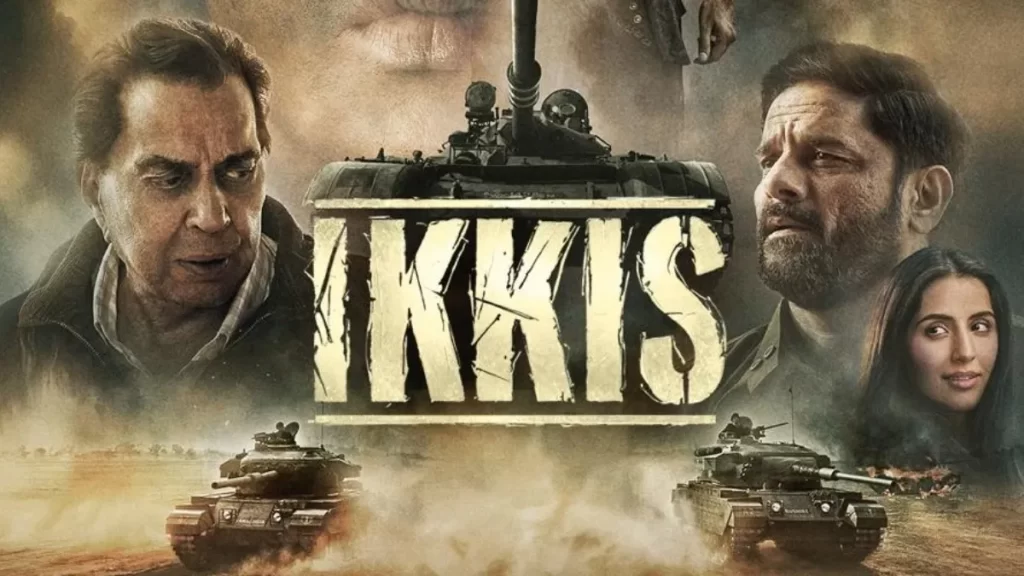
There is a moment early in Ikkis that quietly defines the film. It is not a battle scene. No flags flutter. No slogans are spoken. A young man stands still, listening to an order he does not fully understand yet knows he cannot refuse. In that pause brief, almost invisible Ikkis tells us exactly what kind of war film it wants to be.
This is not a story about becoming a hero. It is a story about being interrupted.
Hindi cinema has told us many war stories before. In Haqeeqat, soldiers marched toward martyrdom with solemn dignity. In Border, they stood their ground with patriotic thunder. In Lakshya, war became a finishing school for masculinity a place where confusion was refined into purpose. Ikkis walks away from all of that. It asks a simpler, more painful question: what if war arrives before identity does?
A Journey That Begins Before the Battlefield
The protagonist of Ikkis is not introduced as exceptional. He is young, uncertain, still learning how to occupy his own body. Like the boys in Band of Brothers or the farm kids of 1917, he does not enter war chasing legacy. He enters because history has knocked on his door early.
This is where Ikkis aligns itself with world cinema rather than Bollywood tradition. War here is not destiny; it is disruption. Much like Come and See, the film treats conflict as something that steals time rather than granting meaning. Childhood does not end heroically it simply stops.
The screenplay understands this instinctively. There are no grand speeches explaining why the war must be fought. Orders arrive without ceremony, mirroring how power operates in real life. This recalls Paths of Glory, where decisions are made far from the mud, yet paid for inside it. Ikkis never lets us forget that gap.
Masculinity Without Muscle
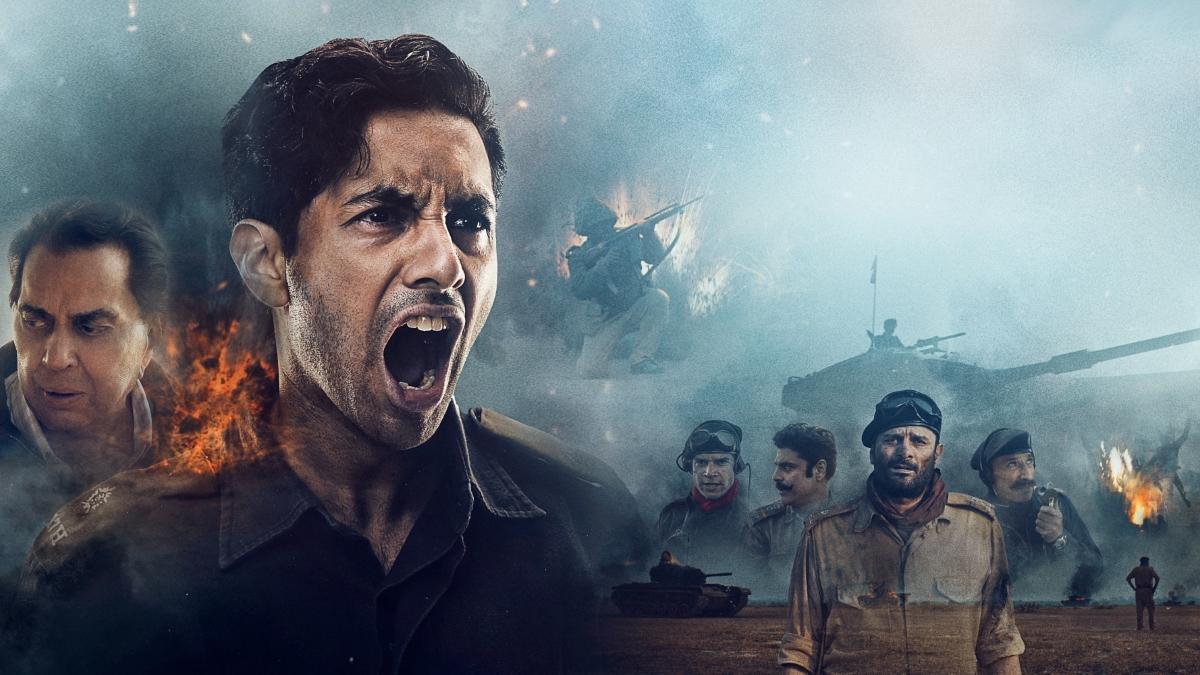
What makes Ikkis quietly radical in the Hindi context is its portrayal of masculinity. This is not the chest-thumping soldier of popular imagination. The lead performance is built on hesitation eyes searching for reassurance, shoulders carrying more weight than they should.
In Hindi cinema, vulnerability in uniform has often been carefully rationed. Tears appear, but only after bravery has been proven. Ikkis reverses the order. Fear comes first. Doubt is constant. Courage, when it appears, feels accidental rather than cultivated.
This places the film in conversation with The Thin Red Line, where soldiers are philosophers trapped inside violence they cannot explain. Like Malick’s characters, the young men of Ikkis are thinking even when the world expects them to obey. The film’s emotional power lies in that thinking quiet, unresolved, deeply human.
The Battlefield as an Empty Place
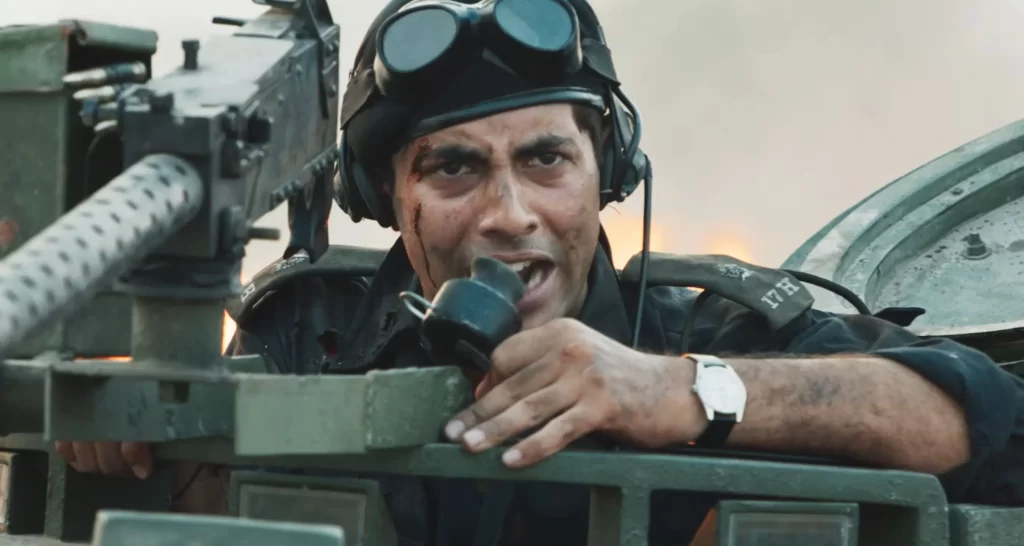
Visually, Ikkis refuses spectacle. The battlefield is not framed as glorious terrain but as empty space vast, indifferent, and strangely quiet. The camera does not rush toward explosions. It often waits, watching consequences unfold after the noise has passed.
This restraint is a deliberate ethical choice. In contrast to the operatic war imagery of mainstream Hindi cinema, Ikkis behaves more like European anti-war films, where violence is shown without reward. Death arrives suddenly, without slow motion or music. It is closer to Saving Private Ryan’s opening chaos than to Bollywood’s structured valor.
Nature in Ikkis does not mourn. Mountains and skies remain unchanged, reinforcing a cruel truth world cinema has long understood: war is profoundly human, but the world is not obligated to care.
Sound, Silence, and What Is Left Unsaid
One of the film’s most affecting tools is silence. Guns do not echo endlessly. Background music often steps aside. We hear breathing, boots on ground, wind brushing against fabric. These small sounds become emotional anchors.
Hindi cinema has traditionally guided emotion through music, especially in patriotic narratives. Ikkis breaks that contract. It trusts silence, much like Dunkirk, where tension is built not through dialogue but through anticipation. Here, silence is not absence; it is pressure.
This approach changes how audiences respond. Instead of being told when to feel pride or sorrow, viewers are left alone with the characters’ confusion. For many younger viewers raised on global cinema, this feels honest rather than alienating.
How Audiences Are Reading Ikkis
The reception of Ikkis reveals as much about audiences as it does about the film. Some viewers feel unsettled by its quietness, its refusal to deliver a traditional patriotic payoff. Others find that refusal to be the film’s greatest strength.
Online conversations do not revolve around “iconic dialogues” or “goosebump moments.” Instead, people talk about scenes where nothing happens. A soldier staring into space, a pause before action, a look exchanged and never explained. This mirrors the response to films like Come and See or The Hurt Locker, where impact lingers rather than explodes.
Gen-Z audiences, in particular, seem to connect with Ikkis as an emotional truth rather than a national statement. For a generation suspicious of grand narratives and inherited pride, the film’s uncertainty feels authentic. War is not framed as glory or betrayal it is framed as cost.
What Ikkis Chooses Not to Say
The film is not without its silences of omission. It focuses tightly on the individual experience, sometimes at the expense of larger political context. Unlike Born on the Fourth of July, it does not fully interrogate who is sent to war and why. This keeps the film intimate but limits its systemic critique.
Yet even this restraint feels intentional. Ikkis is less interested in explaining war than in showing what it does to time, youth, and memory.
A Quiet Film in a Loud Tradition
Ikkis will not satisfy viewers looking for cinematic reassurance. It does not wrap its grief in triumph. It does not offer slogans to hold onto. Instead, it leaves you with a feeling the sense that someone grew up too fast, and that history barely noticed.
In the landscape of Hindi war cinema, that is a brave choice. By borrowing the emotional grammar of world cinema and blending it with Indian realities, Ikkis creates space for a new kind of war story one that whispers instead of shouting.
It reminds us that sometimes the most political films are not the loudest ones. They are the ones that stay quiet long enough for us to hear what war actually sounds like when the music stops.