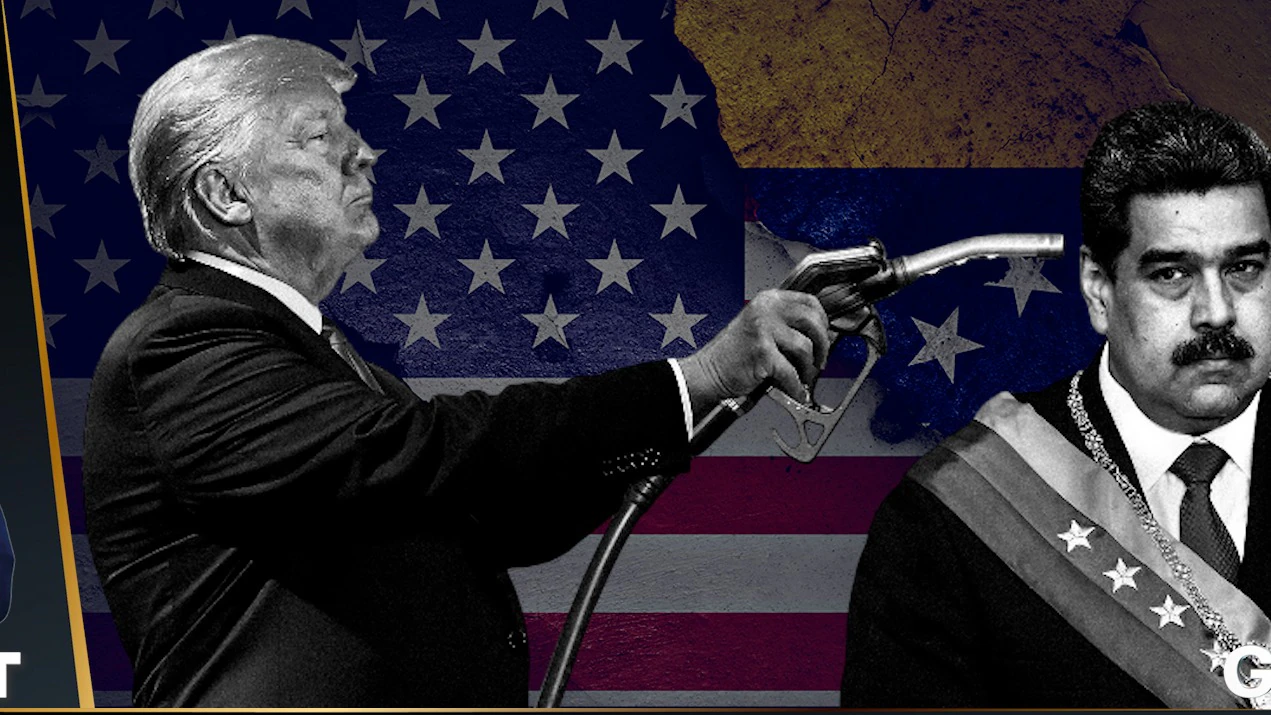
The prolonged confrontation between the United States and Venezuela is often framed as a clash between democracy and authoritarianism. Yet for India and much of the Global South, the crisis represents something deeper: a test of sovereignty, economic resilience, and the unequal impact of global power politics on developing nations.
As the world moves toward a multipolar order, Venezuela’s experience offers critical lessons for countries navigating between principle, pragmatism, and pressure.
Venezuela Through the Global South Lens
For nations across Asia, Africa, and Latin America, Venezuela is not merely a troubled state. It is a case study in how political isolation, sanctions, and resource dependence can devastate a developing economy.
While governance failures within Venezuela are undeniable, the scale of economic collapse cannot be separated from the impact of unilateral sanctions imposed by Western powers. From a Global South perspective, this raises uncomfortable questions:
Can economic coercion replace diplomacy? And who ultimately bears the cost, governments or ordinary citizens?
The Venezuelan crisis mirrors concerns shared by many developing nations that fear becoming collateral damage in great-power rivalries.
India’s Position: Strategic Autonomy Over Alignment
India’s approach to Venezuela reflects its long-standing commitment to strategic autonomy. Despite U.S. pressure, India has historically maintained pragmatic engagement with Venezuela, primarily due to energy security interests. Venezuela was once a significant crude oil supplier to India, and New Delhi resisted fully aligning with Western sanctions until compliance became unavoidable.
This balancing act highlights India’s broader foreign policy philosophy:
- Non-interference in internal affairs
- Dialogue over regime change
- Multilateral solutions instead of unilateral sanctions
India’s stance underscores a key Global South argument. That domestic political transitions cannot be externally engineered without severe humanitarian consequences.
Sanctions and the Question of Sovereignty
For many Global South nations, Venezuela symbolizes the vulnerability of resource-rich but institutionally fragile states to external pressure. Economic sanctions, often justified as tools for democratic accountability, are increasingly viewed as instruments of geopolitical control.
From this viewpoint, the Venezuelan crisis reinforces three fears:
- Weaponization of global finance
- Conditional access to trade and energy markets
- Precedents that undermine national sovereignty
India, along with countries like Brazil, South Africa, and Indonesia, has consistently advocated reforms in global governance institutions to ensure that economic measures do not disproportionately punish civilian populations.
Energy Politics and Developmental Realities
Venezuela’s vast oil reserves make it strategically indispensable. Even as it remains politically isolated. For energy-importing developing nations like India, the crisis highlights a central contradiction in global politics:
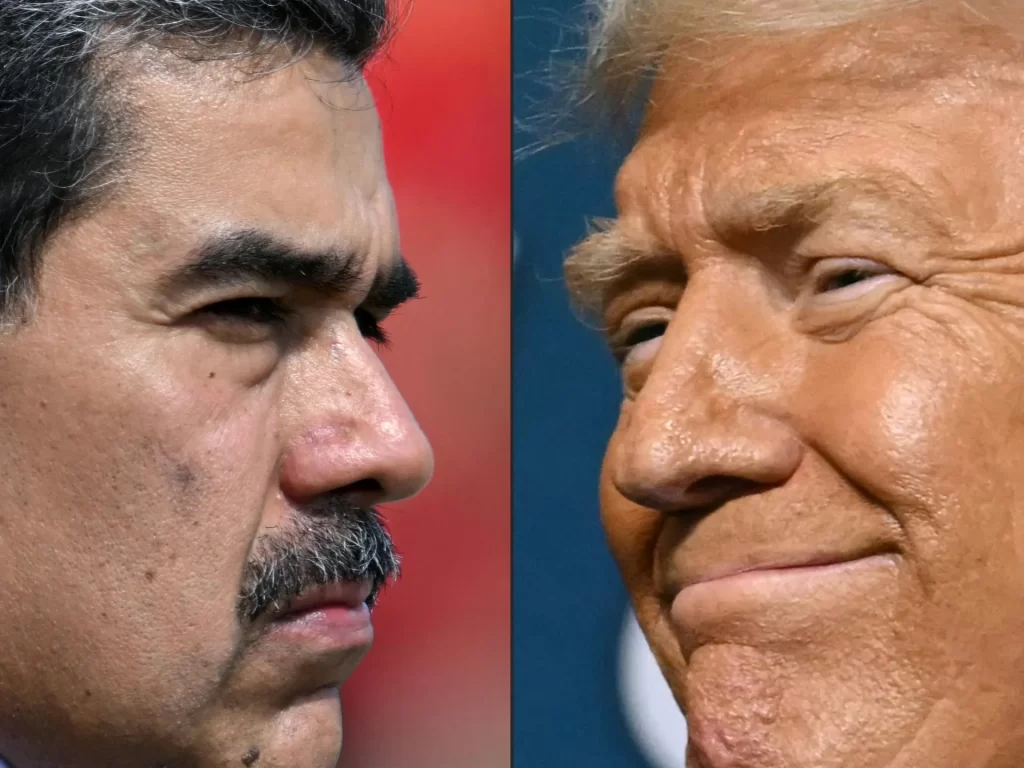
Energy security often overrides ideological consistency.
As global supply chains face disruption from wars to climate shocks. India and other Global South economies must diversify energy partnerships while resisting political dependencies. Venezuela’s experience serves as a warning against over-reliance on a single resource and a single geopolitical bloc.
A Multipolar World: Diminishing Western Leverage
The survival of the Venezuelan state despite sustained sanctions underscores a broader structural shift. Support from China, Russia, Iran, and regional allies demonstrates that Western influence, while still significant, is no longer absolute.
For the Global South, this transition offers both opportunity and risk:
- Opportunity to negotiate better terms and diversified partnerships
- Risk of becoming arenas for proxy competition among major powers
India’s diplomatic challenge lies in leveraging multipolarity without compromising its developmental priorities or democratic credentials.
Humanitarian Consequences: A Shared Global Responsibility
Perhaps the most sobering lesson of Venezuela is humanitarian. Mass migration, food insecurity, and social breakdown reveal how geopolitical strategies often ignore human cost. For countries in the Global South, many of which host refugees or face economic vulnerabilities themselves. This raises ethical concerns about the legitimacy of sanctions as a foreign policy tool.
India’s repeated calls at international forums for people-centric global policies resonate strongly in this context.
Conclusion: Venezuela as a Warning and a Lesson
For India and the Global South, Venezuela is not just a distant crisis. It is a cautionary tale. It warns against economic over-dependence, external political engineering, and the unchecked use of sanctions. At the same time, it reinforces the need for strategic autonomy, diversified alliances, and reformed global governance.
As the world navigates a post-unipolar reality, the Venezuelan crisis challenges global leaders to rethink power, responsibility, and the true meaning of international cooperation. For developing nations, the message is clear: sovereignty must be protected, diplomacy must prevail, and development must remain central to global decision-making.