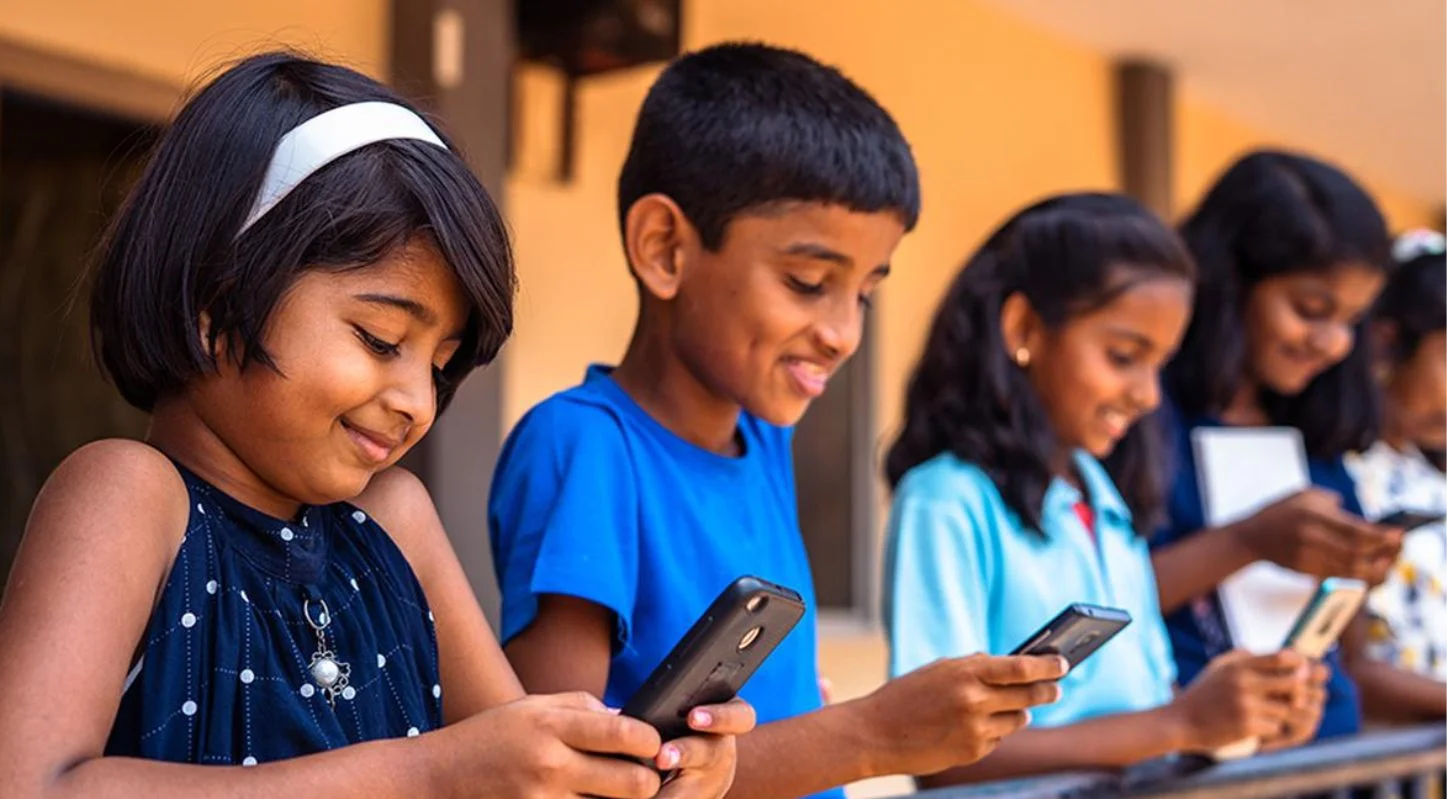

India’s education discourse today is saturated with promises of digital transformation smart classrooms, AI tutors, online degrees, and edtech solutions designed to scale learning at unprecedented speed. While technology has undeniably expanded access, a crucial truth is often overlooked: no digital innovation can substitute the human role of a teacher.
In a country as socially and economically diverse as India, the future of education will not be secured by screens alone. It will depend on well-trained, empathetic, present teachers analogue anchors in an increasingly digital system.
Technology Is a Tool, Not a Teacher
Digital platforms can deliver content efficiently, but education is not merely content delivery. It is interpretation, motivation, discipline, and care. A recorded lecture cannot sense confusion in a student’s eyes. An algorithm cannot adapt to the emotional or cultural context of a classroom.
During the pandemic, India witnessed both the potential and the limits of digital education. While some students thrived online, millions struggled due to poor connectivity, lack of devices, and absence of guidance. For many, learning stalled not because content was unavailable but because teachers were inaccessible.

The Teacher as the First Interface
For most Indian students, especially in government and low-income schools, the teacher is the first and often only interface with formal knowledge. Teachers do more than explain lessons they:
- Translate curriculum into local realities
- Identify learning gaps early
- Provide structure in chaotic environments
- Act as mentors, counsellors, and role models
Technology can amplify these functions, but it cannot replace them.
The Digital Divide Makes Teachers More Important, Not Less
India’s push for digital education risks widening inequality if not accompanied by strong teacher support. Edtech solutions assume digital literacy at home, parental guidance, and stable infrastructure assumptions that do not hold true for large sections of the population.
In such contexts, teachers become critical mediators between technology and students. Without them, digital platforms often benefit only those who are already privileged.
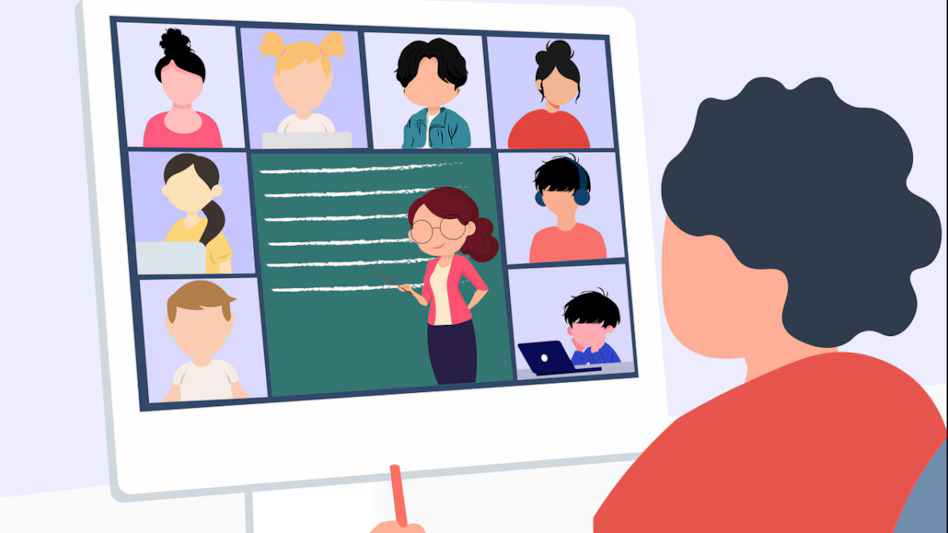
Training the Teacher for the Digital Age
The challenge, however, is not to resist technology but to integrate it meaningfully. This requires reimagining teacher training itself. Teachers must be:
- Digitally confident, not digitally burdened
- Pedagogically empowered, not reduced to content monitors
- Given time, resources, and respect to adapt
Unfortunately, teacher training in India remains uneven, outdated, and underfunded. Expecting teachers to drive digital transformation without systemic support is both unrealistic and unfair.
Human Skills in a Machine Age
As automation reshapes the workforce, education must prioritize skills machines cannot replicate critical thinking, empathy, ethical judgment, and collaboration. These are not learned through apps alone. They are cultivated through human interaction.
Teachers model curiosity, resilience, and values in ways no algorithm can. In an era obsessed with speed and scale, teachers slow learning down just enough to make it meaningful.
A Policy Blind Spot
India’s education policies rightly emphasize technology, innovation, and future readiness. Yet teacher empowerment often remains a secondary consideration. Infrastructure is funded; platforms are launched; dashboards are created. But teacher workload increases, autonomy shrinks, and morale erodes.
A Digital India without empowered teachers risks becoming a hollow project impressive in design, ineffective in impact.
Conclusion: High-Tech Vision, Human Core
India does not need to choose between digital progress and traditional teaching. It needs a synthesis where technology enhances learning and teachers remain its moral and intellectual core.
In the rush to modernize classrooms, we must remember a simple truth: education is not upgraded by software alone, but by the people who guide minds every day.
A truly Digital India will succeed not when every classroom has a screen but when a confident, capable, and committed teacher supports every screen.