India prides itself on being a unified nation with a common Constitution, a national education policy, and ambitious aspirations of becoming a global knowledge power. Yet beneath this promise lies an uncomfortable reality: a child’s educational destiny in India is still shaped by their PIN code.
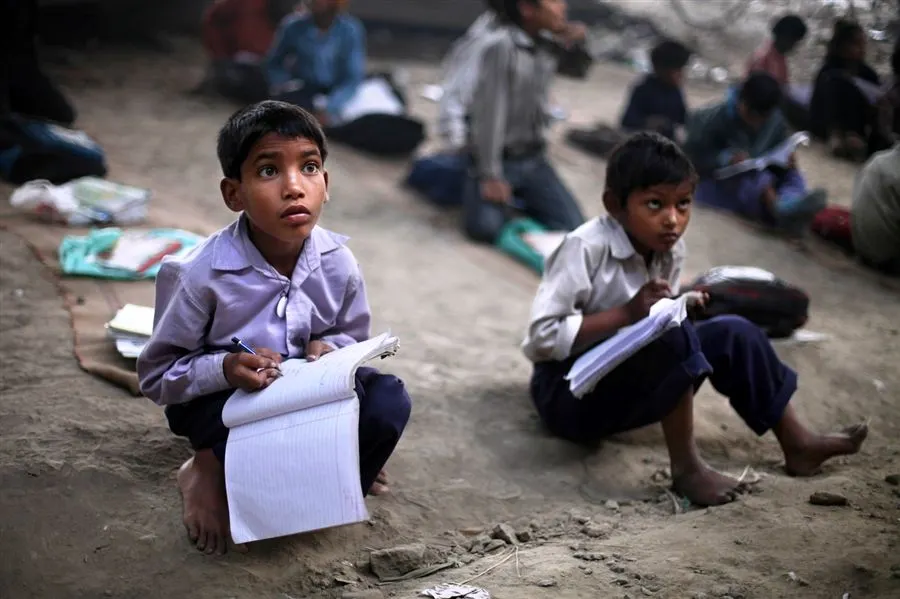
From elite urban schools equipped with smart boards and counselors to overcrowded government classrooms struggling with basic infrastructure, India’s education system remains deeply unequal not by intent, but by geography, governance, and social context.
The Geography of Inequality
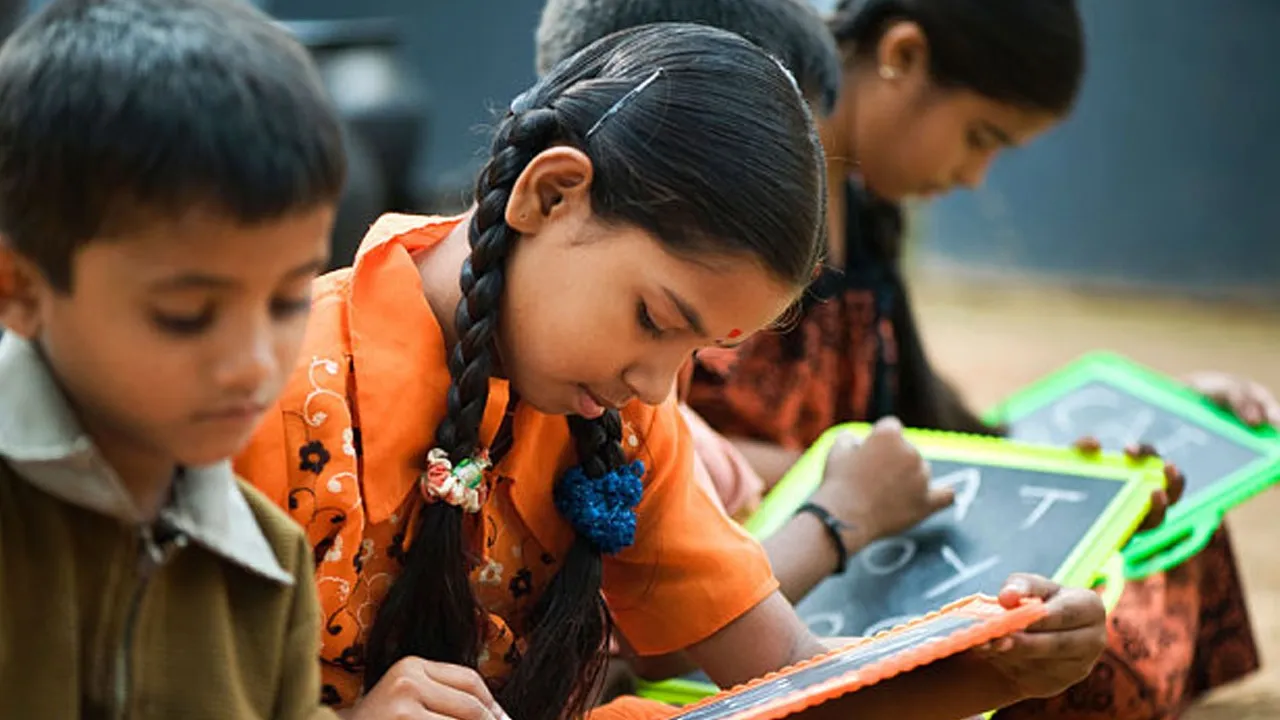
In Govandi, one of Mumbai’s most densely populated suburbs, Aditi, a Class 10 student at a municipal school, studies in a classroom shared by over 60 students.
“We have teachers, but they change often. Sometimes one teacher teaches three subjects. I want to study science, but we don’t have a proper lab,” she says.
A few kilo-meters away in South Mumbai, students of the same age attend schools with laboratories, career counsellors, and extracurricular exposure that prepares them for competitive exams and global universities. The contrast is stark and systemic.
Policy Uniformity, Unequal Implementation
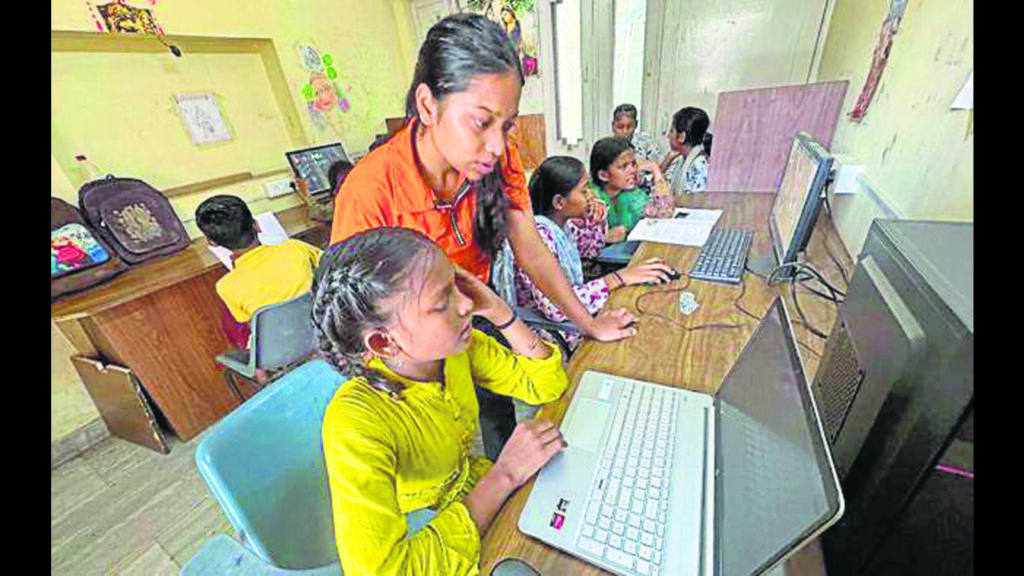
India’s education policies, including the National Education Policy (NEP) 2020, articulate a progressive vision. However, education being a concurrent subject means outcomes depend heavily on state and local capacity. The result is a fragmented system where opportunity varies sharply across districts.
In Kurla, another working-class Mumbai neighbourhood, Adnan, a first-generation learner in college, reflects on his schooling years:
“I didn’t know about competitive exams until Class 12. Nobody told us. By the time I understood, students from better schools were already years ahead,” he says.
Adnan’s experience underscores a key truth: information itself is a privilege unevenly distributed across classrooms.
Digital Divide: Learning in Parallel Worlds
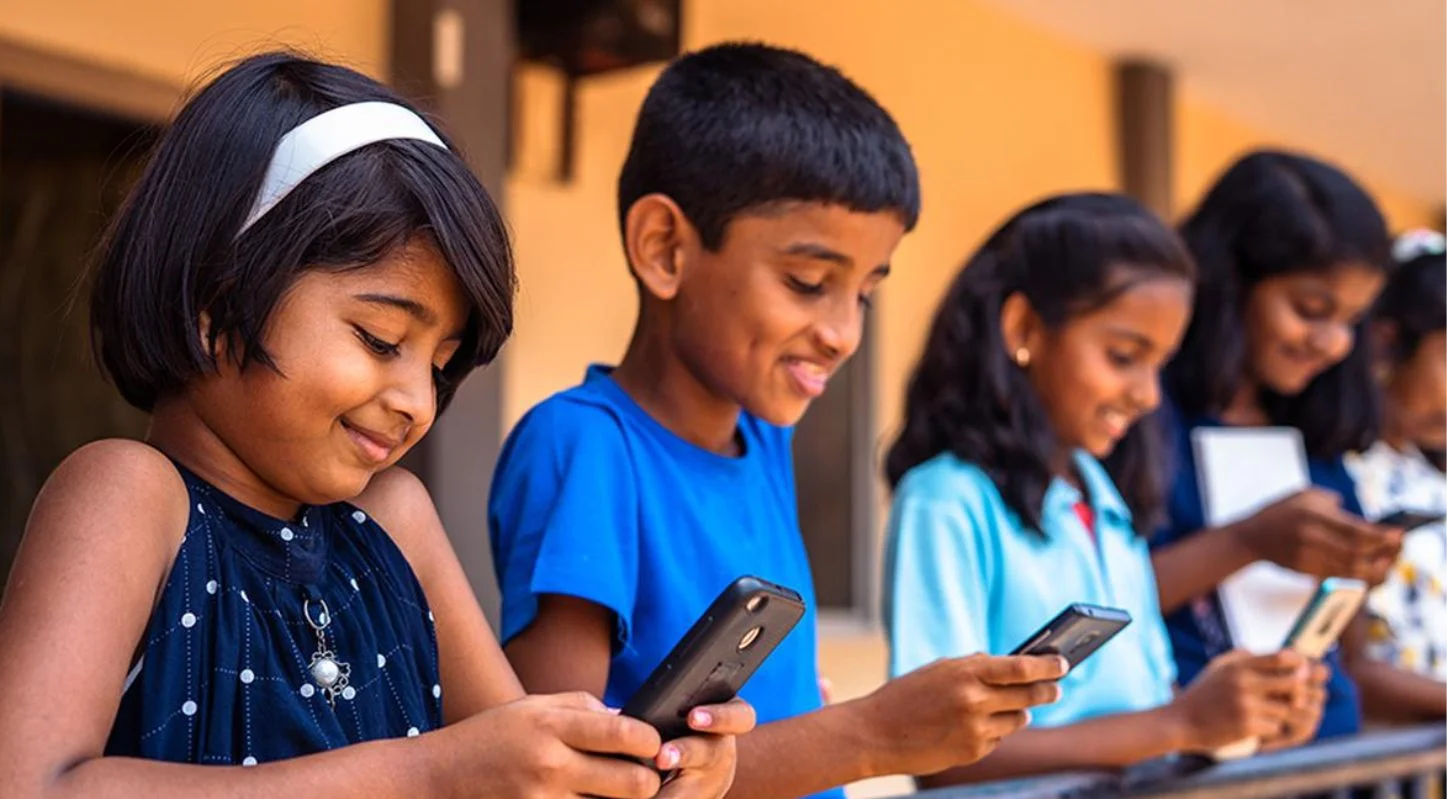
The pandemic further exposed these disparities. While some students seamlessly transitioned to online learning, others were left behind due to lack of devices, connectivity, or digital literacy.
“Online classes meant one phone for four people at home,” Aditi recalls. “Many days I just missed class.”
Digital education, rather than bridging gaps, often amplified existing advantages creating parallel learning realities within the same city, let alone the nation.
Teachers: The Unequal Backbone
Teachers remain the backbone of any education system, yet their availability and training are deeply uneven. Schools in underserved areas face chronic shortages, multi-grade teaching, and limited professional development.
This is not a failure of teachers, but of policy priorities. Expecting equal outcomes without equal support places an unfair burden on educators and students alike.
Beyond the Classroom: Social Realities
Education does not operate in isolation. Poverty, nutrition, language barriers, domestic responsibilities, and social discrimination directly shape learning outcomes. For students like Aditi and Adnan, schooling competes with survival pressures an imbalance the system rarely compensates for.
When socio-economic disadvantage meets institutional neglect, inequality becomes generational.
Why This Divide Threatens India’s Future
An education system that mirrors inequality rather than correcting it weakens social mobility, economic productivity, and democratic participation. A nation that aims to harness its demographic dividend cannot afford classrooms that predetermine destiny.
As Adnan puts it:
“Talent is everywhere. Guidance is not.”
Bridging India’s Classroom Divide
Solving this crisis requires more than uniform policies. It demands:
- Targeted investment in under-resourced districts
- Incentives and training for teachers in high-need areas
- Context-sensitive curricula and multilingual support
- Monitoring learning outcomes, not just enrolment
- Stronger Centre State coordination with equity as the benchmark
Conclusion: Equal Opportunity, Not Just Equal Policy
India does not suffer from a lack of vision. It suffers from unequal execution. Until students like Aditi and Adnan are no longer limited by their location, the promise of “one nation” will remain incomplete in its classrooms.
A truly national education system is not one where policies look the same on paper but one where every child, regardless of PIN code, has a fair chance to learn, grow, and succeed.